Companies move toward self-insurance as healthcare rates increase
Employers are exploring new options such as self-insurance, which is expected to increase by 35% in two years.
Follow Us
© 2026 Arizent. All rights reserved.

Employers are exploring new options such as self-insurance, which is expected to increase by 35% in two years.
Employers need to keep pace with the latest developments impacting health plans. Mercer shares what to watch out for in the coming months.
The platforms promote trust, break down silos and create better connections, says Regence BlueShield President Don Antonucci.

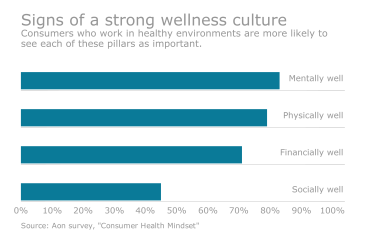
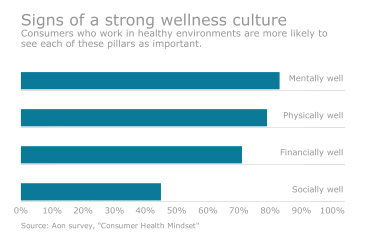
Physical symptoms hold top priority for employers, but emotional health could be the cause of more absenteeism and lost productivity.
Health systems do not want to lose money for better health outcomes, say consultants Brian Klepper and Fred Goldstein.

No bones about it: Disorders such as arthritis and back pain affect more than half of employees, and are one of the costliest healthcare drivers for clients.
Connected devices, smart cloud tech can help employers manage the disease, says Livongo Health CMO Jennifer Schneider.


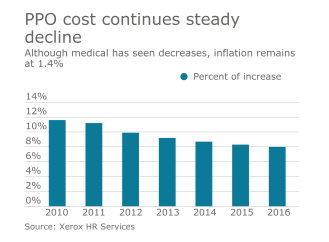
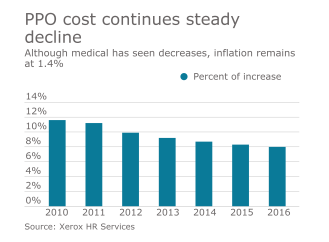
While increases in medical coverage are slowing, they continue to outpace inflation by a wide margin.
Physical symptoms hold top priority for employers, but emotional health could be the cause of more absenteeism and lost productivity.
There are a lot of people in the U.S. who dream of single-payer health care. And what a dream it is!
While increases in medical coverage are slowing, they continue to outpace inflation by a wide margin.
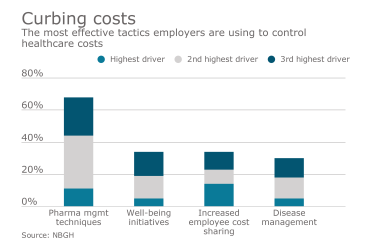
Healthcare costs are expected to increase 6% in 2017 as companies make use of better management tools and take advantage of advances in telehealth.

Livongo Health CMO Jennifer Schneider discusses the company’s new approach for diabetes management, which consists of connected devices and a smart cloud, and how it can help employers.

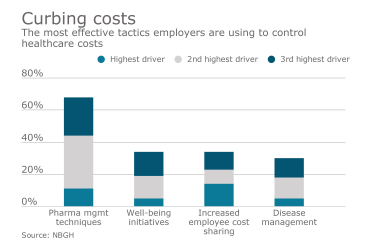
In an attempt to counter expensive medical claims, some employers are requiring mandatory doctor visits regardless of health quality.
The platforms promote trust, break down silos and create better connections, says Regence BlueShield President Don Antonucci.
No bones about it: Disorders such as arthritis and back pain affect more than half of employees, and are one of the costliest healthcare drivers for companies. Here are 5 things employers can do to help.
Healthcare costs are expected to increase 6% in 2017 as companies make use of better management tools and take advantage of advances in telehealth.
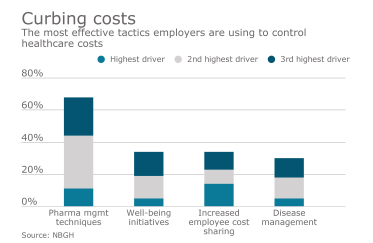
Advisers need to bring employers a cost-reduction strategy that helps employees understand the care they need, what it costs and where to get it.

Employer-sponsored Mercer Complete Care helps employees manage individual, family health plans, benefits.

What employers need to bring down healthcare spending and improve care quality is a strategy that helps employees understand the care they need, what it costs and where they should get it.