Benefits Think Why virtual care is an essential part of self-funding
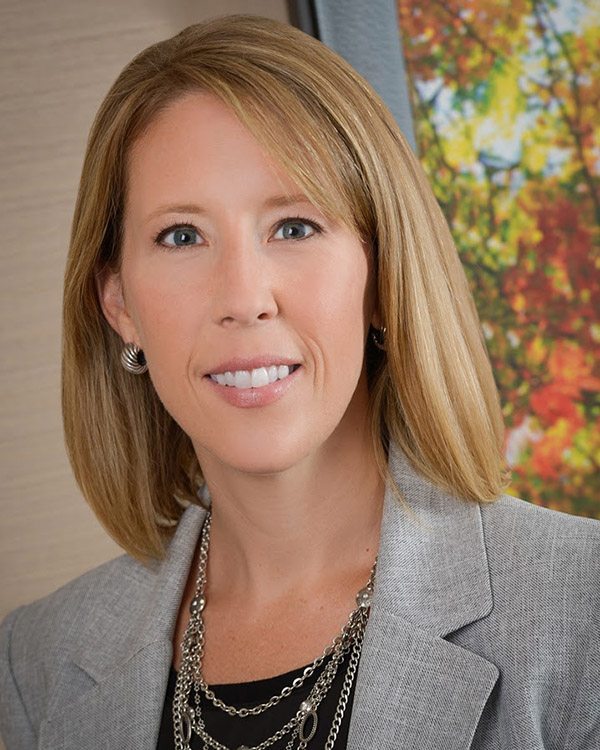
Much like stop-loss coverage, advisers can use telehealth services to help clients make the leap to becoming self-insured.
Kelly Bliss
Teladoc
Follow Us
© 2026 Arizent. All rights reserved.

Much like stop-loss coverage, advisers can use telehealth services to help clients make the leap to becoming self-insured.
The deal gives the digital health company additional resources to address the needs of employees with chronic health conditions.

Providing telehealth visits and offering workers a personal advocate to transfer medical records or schedule appointments are among the strategies employers should consider.
You’re not out of luck — for smaller, self-insured organizations, near-site healthcare is an affordable, scalable option.
The president will propose a sweeping effort to bring down U.S. drug prices in a plan to make good on a campaign promise.

Providing telehealth visits and offering workers a personal advocate to transfer medical records or schedule appointments are among the strategies employers should consider.
Workers, who continue to see their health costs increase annually, are “basically saying enough is enough” when it comes to paying more for medical offerings, Willis Towers Watson research finds.
Prodding employers into insuring themselves has important benefits—and major drawbacks.

The price of prescriptions has skyrocketed and the industry needs to address matters sooner rather than later.

The price of prescriptions has skyrocketed and the industry needs to address matters sooner rather than later.
Amazon, JPMC and Berkshire Hathaway and other large employers have put the healthcare industry on notice but what does this mean for employee benefit advisers?

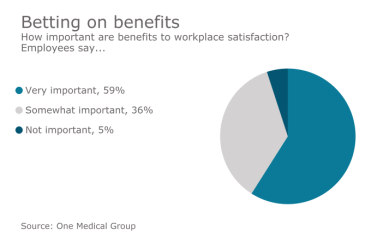
More are embracing the insurance model, as firms realize cost savings, plan flexibility and employee satisfaction that can manifest itself as soon as the first year after implementation.

At a World Health Care Congress session, advisers learned new ways to get the attention of their clients’ top executives.

CVS Health Corp. said it’s making progress in the regulatory review of its $68 billion deal to buy health insurer Aetna

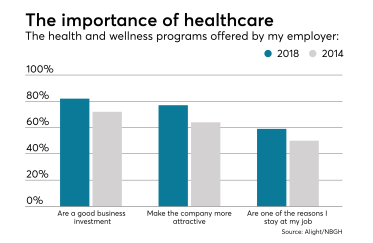
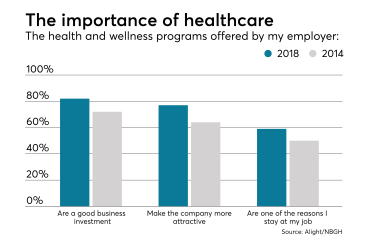
The percentage of employers offering benefits including telemedicine, stress reduction programs and 24-hour nurse lines jump to accommodate an always-on workforce.
More are embracing the insurance model, as firms realize cost savings, plan flexibility and employee satisfaction that can manifest itself as soon as the first year after implementation.

But many advisers remain optimistic that the three-way partnership will succeed at restructuring healthcare costs.

H-E-B’s facilities boost workers’ investment in health and put a primary care mindset first.


National Rural Electric Cooperative Association partnered with Teladoc to reach as many rural members as possible and increase healthcare engagement.

The percentage of employers offering benefits including telemedicine, stress reduction programs and 24-hour nurse lines jump to accommodate an always-on workforce.