Benefits Think Let’s build behavioral health on usage, not headcount
Brokers can incentivize vendor performance by tying portions of their fees to measurable standards such as response times and match-acceptance rates.
Follow Us
© 2026 Arizent. All rights reserved.

Brokers can incentivize vendor performance by tying portions of their fees to measurable standards such as response times and match-acceptance rates.
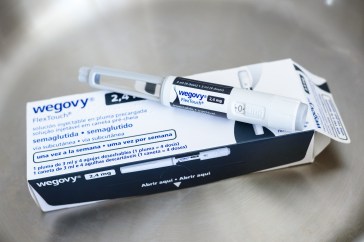
Rising use of the weight-loss drug is fueling the fastest health plan cost growth in a decade and a half, forcing employers to rethink coverage strategies and cost management.


A new TIAA study finds many retired workers wish they had saved sooner, planned for healthcare costs, and prepared for career disruptions that delayed or reshaped retirement.

As more Americans turn to GLP-1 medications for weight loss, employers are weighing the benefits of coverage against rising healthcare expenses and long-term costs.

Employees managing these conditions lead to high overtime, an average of 10 missed a year and rising stress and depression levels.


New research shows companies are ramping up spending on workplace meals, with employees citing food perks as a key factor in staying and showing up.

Project 55 is helping organizations empower their workforce with mental health education and resources.

Leaders could have a much more proactive role in protecting their workforce with personal security platforms and benefits.

Federal and state disability legislations support pets at the office, from dogs and cats to horses and monkeys.

Americans' retirement confidence falls as inflation, debt, housing and health costs rise, survey finds, with growing Social Security worries.

Paytient study finds many insured employees delay care due to cost pressures, highlighting challenges for employers and benefit plan design.

Lively's HSA Spend Report shows consumers are increasingly using accounts for online wellness, mental health, and weight-loss products.

Novo Nordisk will cut prices for Ozempic and Wegovy by up to 50% next year, prompting employers to plan for rising use and manage benefits costs.

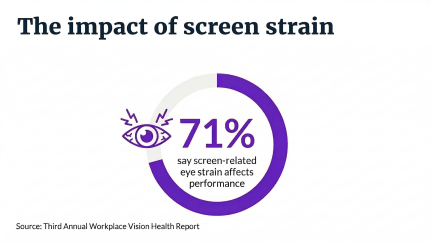
Desk workers are spending nearly 100 hours a week on screens, a new survey finds, with most saying eye strain is affecting their work performance.
Traditional claims reporting often splits depression, anxiety, substance use disorders and attention disorders into silos, minimizing the aggregate impact.

Employers can detect and reverse employee disengagement through people and workplace strategies rooted in empathetic listening.
Addressing employee health and rising costs require out-of-the box wellness strategies.
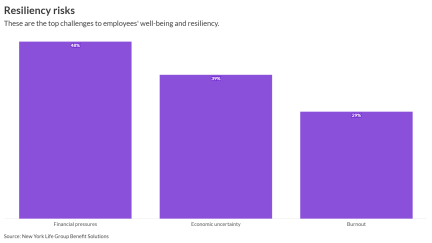
U.S. workers say financial strain is the biggest obstacle to resiliency, outranking burnout and economic uncertainty, a new survey finds.
Early studies suggest GLP-1 drugs like Ozempic may reduce cravings for alcohol and other addictive substances.
The opportunity ahead is about building the same kind of thoughtful, documented, process-driven governance in health care that transformed retirement plans.