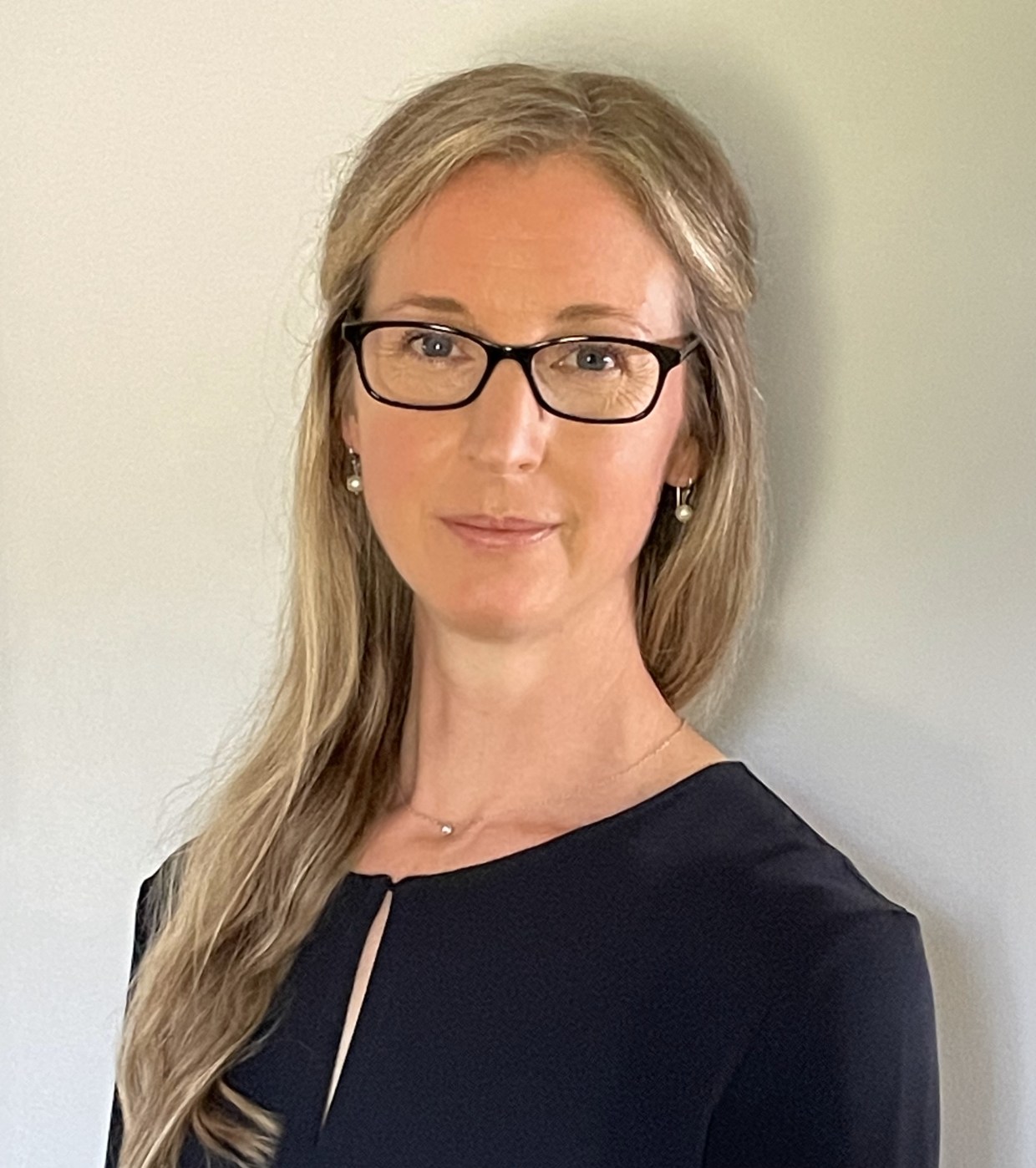
Advancing Financial Wellness in the Workplace


Financial stress is one of the biggest challenges facing today's workforce—impacting productivity, retention, and overall well-being. This interactive roundtable will explore how employers can build meaningful financial wellness programs that drive impact across generations and income levels.

We'll begin with a brief overview of the current financial wellness landscape, including why it matters, how to gain leadership support, and ways to leverage existing benefits more effectively. Then, participants will engage in a peer-driven discussion covering strategies to close savings gaps, improve financial literacy, evaluate wellness partners, and boost engagement through effective communication.


Attendees will leave with actionable insights, real-world examples, and ideas for improving financial outcomes across their workforce.


Transcription:

Harrison Woodside (00:09):

Nice to meet you all. I'm Harrison Woodside. I appreciate you joining us for this round table discussion here to talk about financial wellness in the workplace. I'll spend a few minutes here just going over some perspectives on the state of financial wellness today. And then we'll use the rest of the time for a round table discussion. So I'll encourage anybody who hasn't, maybe sitting with just one or two other folks, to consolidate down to another table. We will then spend some time discussing it and then share our takeaways with the rest of the group. So I'll also call on each table to nominate a representative to fulfill that duty. All right. Without any further ado, see if we can't go forward another slide.

(01:13):

Take it back. I don't think this clicker is working, so let's see if I can't just do it from memory. There we go. That's happening over there. I think we can just go forward. Whoever's got the control over there. There we go. Okay, there we go. Alright, maybe just start off with a question here. As we think about sort of framing up financial wellness in the workplace today if you had to guess, how many of your employees do you think feel that they're living paycheck to paycheck? You probably think the answer isn't extraordinarily high. However, most recent survey data suggests that almost eight in 10 employees think that they're living paycheck to paycheck today and just barely getting by. And even if you take that to folks who are making a hundred thousand or more, it's still roughly 15 to 20% of those populations.

(02:17):

And so it's an issue that's not just bound by certain income levels. It stretches further into the workplace and workforce as a whole. And even if we attach some additional data points to this, 35% of those surveyed say that they've had to reduce or eliminate their savings entirely. 25% say that they can barely cover basic essentials or have even had to take on debt to cover some of the standard living expenses, whether you think of those as rent or mortgage, car payments, et cetera. We're talking about getting into these more staple versus discretionary living expenses for folks. And then if you just continue to extrapolate it out further, almost 60% say that they don't have access to a thousand dollars in savings for any sort of emergencies that come up, whether it be medical bills, home repairs, car repairs, so you can get to work—the list goes on and on. I'm sure everybody here has at some point found themselves faced with a larger than expected expense that came out of left field. And so you take all of this together along with the broad sentiment that cost of living continues to outpace wage growth. It creates a situation in which a lot of the workforce today feels like they're being squeezed from both sides, just barely getting by, and they're not exactly sure how they're going to take all of that and then manage through while also thinking about retirement and planning for the future.

(03:47):

Alright, take the other side of the equation. Now that we've spent a little bit of time talking about how the average employees are and the average employee feels today and what they're thinking about, what keeps them up at night, let's talk a little bit about what this means to the employer side of the house, which I'm sure again, most of you in this room are familiar with, but just to frame it up and talk through a bit of the more discrete impacts that you may see on a day-to-day basis. From a top-line level alone, most recent data suggests that there's almost $180 billion lost annually in lost productivity from employees facing financial stress concerns, which translates to, doing rough math, almost $1,800 a year per employee in just pure lost productivity, whether it's from them spending time dealing with financial issues during the workday or having higher absenteeism.

(04:47):

There are multiple ways in which it comes to the forefront. And then you also see some of the concerns around higher turnover, lower engagement. And then also a slightly newer aspect that's come to light but is still worth mentioning is the fact that the long-term, high-acuity, continued stress leads to chronic conditions as well as mental health concerns that ultimately serve to drive higher healthcare premiums over time and raising the ultimate cost to continue carrying benefits for those employees. And if we think about just how the relationship between employees and employers has been historically and where it's starting to shift now, it seems from our perspective that there's really been kind of three drivers of shifting where employees are now expecting more from their employer than just a paycheck and health insurance in the past, whether it be generational changes with younger generations coming into the workforce who've lived through several financial crises and other large-scale events where they're just now fundamentally expecting more support from their employers, not just on the day-to-day paycheck you collect on whatever your cycle is, but also how is their employer helping them build longer-term security and planning for the future?

(06:15):

And outside of that, I mean, you see through the inverse of having lower engagement and turnover rates, having employees that feel supported have higher loyalty, better retention stats, and ultimately are able to bring forward the best version of themselves and the best work that they can do. And it's really becoming more of a thing of now it's no longer just, "What's my salary?" but it's, "How are you going to help me as the whole person from a financial perspective, build for the future and ultimately be able to deliver more?"

(06:55):

All right, as we think about, so now having covered, how does the employee feel today? What does it mean on average to employers? Let's talk a little bit about what do we do about it? There are, as I think about it, really three main pillars that I think drive success with addressing financial wellness concerns. The first one is not viewing them as individual concerns, but more of a comprehensive problem and even needing to drive comprehensive solutions as a result. The reality is there are interconnected causes of the different stress points, whether it's savings concerns, debt management, budgeting skills, and ultimately thinking about retirement. And so that means as you think about addressing it and changing how people are feeling on the topic, you've got to look at each one of these causes individually and design a holistic solution or set of solutions that addresses the whole problem, whether it be ESAs, guidance, coaching, or other simple budgeting tools.

(08:04):

There's a myriad of solutions out there today. Secondly, you can have the greatest set of benefits in the world, but if people are not engaging with them, it's a bit of a moot point. And as part of that, especially sitting in the employer seat, the easiest way and best way to solve it, though it may not be easiest, is through good communication on the topic and educating employees about what the solutions are that you're offering, how to interact with them, and what's the right way to drive the maximum amount of utility out of them. Whether it be through multi-channel engagement or communication solutions, event-driven education, whether, you know, somebody just had a child, just got married, or any other life events, having personalized delivery around that, or whether it's as simple as sharing company success stories from people who have been able to address some of these concerns.

(09:05):

And lastly, I think the third aspect, which sometimes doesn't get as much airtime but is important, is you've got to design it in a fashion in which it's measurable and there's an angle for continuous improvement. You have to think about what are the employee outcomes that you're really trying to drive, but also the associated impacts to the business that you want to ensure are captured by driving towards those outcomes. I don't need to get into the myriad of metrics there, but if you think about just at least on the employee side of the house, thinking through savings rates, participation rates, surveys, et cetera, there's a number of ways in which you can define the outcomes you're looking for, measure them, and drive towards them. And then on the business impact side, whether it be overall engagement, lower turnover, looking at your claims rates, premium costs, et cetera, there are several areas in which you can define the right sort of outcomes and build against them.

(10:03):

Those are the ones that, those are the metrics that stand out the most to me. But I'm sure through your own experience there are different layers of personalization that you can put on top of that. So before we transition to the discussion phase, I'll leave us with a few kind of parting thoughts and then we can break into our smaller groups and chat through a series of discussion prompts and questions and then share our thoughts back with the group. I try to summarize all this and bring it together. The way I see it is the organizations that thrive aren't just going to be the ones that pay well. They're going to be the ones that are able to truly support their employees, make them feel like they're valued members of the organization, and help them be able to plan for the future and build/chase their longer-term goals through the support that you're offering with your benefits packages and overall total reward strategy.

(11:10):

And lastly, sorry, lost my train of thought. Lastly, it's not just a question of, "Does it matter?" As we kind of just briefly ran through here, the data proves out that it does matter. And the question then sort of shifts to, "What are we going to do about it and how do we think about proactively addressing concerns before they arise? Or what are the right reactive solutions to put in place for issues you may see in your organization today and ultimately drive towards better outcomes that don't just impact your employees, but also your organizations as well?" And so with that, I will give us a quick little breather here to let everybody at your individual tables, if you haven't had a chance to consolidate down and want to, feel free to do so. Other than that, I think everybody... let's everyone at your individual tables take a minute or two to introduce yourselves to the other folks at your table. And then I'll also ask again, ask you to choose a single representative to report back on your findings from the discussion to the rest of the group. And we'll have, I believe, we'll have microphones that will bring up towards the end so people do not have to stand up and shout to the rest of the room. So I'll give you guys all a minute to do that, and then we can transition to the discussion portion here.

(13:05):

Alright, hopefully not cutting you guys off too much intro-wise, but want to at least go ahead and put our first topic for discussion up here, which is really around addressing existing savings gaps for employees, and especially as they think about not just near-term but retirement planning. We've got four topics here, so we'll take five or six minutes a piece to talk through them as a table. I'll leave these up here for kind of some more granular discussion prompts to help get the thinking going, and I'll float around between tables and do my best to keep us on track, keep us moving through the rest of the discussion here. Alright, we'll keep moving on in our discussion here. Hopefully we spent some good time uncovering some thoughts around how we address savings gaps. We'll pivot over here to thinking about financial literacy and education and how you can drive better adoption, utilization, or to also just reuse the word, education, within your employee bases.

(14:21):

Alright, keep us moving along here to get through our last couple topics. Feel like we've covered the education and literacy topic. Maybe spend a little bit of time thinking through or talking about how as you think about selecting the benefits partners you work with, what's important to you? What do you look for in a partner? And share that with your group and chat through a couple of these items here. Alright, move on to our last sort of guided topic here before we all choose a representative to come forward. And I think given this, there's a little bit of overlap on the education and literacy topic. We'll take just a couple minutes here, but just thinking through what strategies work for driving engagement and adoption and ensuring people are interacting with their benefits in the right way? Alright, we've only got a few minutes left together here before we're onto the next in your programming, but want to take the time as I'd mentioned for each group to choose a representative from their table to share at least one or two things that you discussed that you found particularly insightful. We'll have mics passed around the room, so just raise your hand and we'll be able to send the microphones around, and then can wrap up with any questions from the group after that. But whoever would like to go first, go ahead.

Audience Member 1 (16:10):

Hello. So we all agreed that we have not figured out the answers to any of the questions that were asked. We are all struggling. We all have the same challenges. One of the things that we agreed on we think is a generational issue, especially the younger generation that is so used to having information served up to them. They're not learning about the same things that older generations did when they were in school, and they're looking for things that are bite-size, really quick-hit videos or maybe TikTok videos. We talked about podcasts are popular and that might be something that could work if you're trying to educate about various benefit programs, but it is a challenge and we have not figured out the magic bullet.

Harrison Woodside (17:11):

I think if there was an easy answer then it probably wouldn't have warranted having a discussion on it. But I think it's also helpful to highlight the fact that it's not a unique challenge that any one person or organization is facing, but it's more representative of the broader industry as a whole in that you're not alone in some of the challenges.

Audience Member 2 (17:48):

I think we agree with some that was just said, but there's a lot of challenges. One is communication to the employees for them to know all the financial wellness benefits that are available to them and to be utilizing them. We really talked a lot about 401Ks, employees not participating in 401Ks, and how auto enroll is an option there to overcome that—auto enroll all employees in 401Ks. And then also we brought up emergency savings accounts. I'm a big advocate for that. I have met with some emergency savings account vendors recently because especially maybe the younger generation who's not ready or doesn't think they're ready to contribute towards retirement. Emergency savings account, it's a high-yield interest. They're still stocking away money, but they have access to it at any time if they need it. So that was another topic we discussed.

Harrison Woodside (18:48):

Have you seen that play out in terms of as you've introduced those solutions for younger employees that there's been good adoption on that front even if the retirement participation rates are remaining the same?

Audience Member 2 (19:02):

Yeah, so what I have learned with the emergency savings account adoptions is because employers can incentivize employees to just start that savings account with maybe, "Hey, I'll start it and I'll deposit $50." Those are getting very high adoption rates. The emergency savings accounts are.

Harrison Woodside (19:31):

Anybody else, any of the other tables want to share anything? I think...

Audience Member 3 (19:41):

Hi, we had a fun conversation at our table because we have one non-benefits brave soul sitting with us. And I think part of it, when you're looking at whether it's your financial partner or your benefits partner, you need someone who understands your employee culture, population, what their needs are. And when we were talking about these things here, an epiphany came up we work so hard to earn our paychecks day in and day out. So we just want to go home, we want to go to the gym, we want to go see our family. So if your financial plans or wellness or your education, if you don't make it convenient and if you don't make it accessible, it becomes too hard to do. So we were just talking, "Too many clicks through a website to get my financial incentive." "Well, I have to collect too many forms to get the gym reimbursement."

(20:37):

"I could do the 401k, but it's actually much easier just to go to my own IRA because I already got that in my banking account." When you think of the apps that are on your phone right now and with today's evolving generations, we talked about that everything's a touch of the button. So if you're not having these type of financial benefit strategies that fit that employee, that consumer that's looking to make it easy so they actually don't have to work for that money for the money that they're working for all day, I think you can easily hit all four of those.

Organiser (21:15):

Thank you. Anybody else?

Harrison Woodside (21:25):

Alright, well I appreciate everybody who sharing what you guys discussed. Sounds like there were a lot of great discussions, and the ones I was able to get around to, a lot of really good insightful conversations were had. I'll open the floor here for any questions that anybody has on anything we discussed, financial wellness, et cetera. So if anybody has any questions, raise a hand and someone can bring a microphone around.

Audience Member 3 (22:03):

In your opinion, what's the most exciting financial wellness benefit on the market right now?

Harrison Woodside (22:10):

This may still be, it may be a slightly dinosaur-ish answer, but I still believe that the old 401k still remains the most exciting product, which perhaps is a reason it's been around for so long. But if I think about just what has the ability to fundamentally change financial security and standing, continuing to do the right things with one's 401k, I think it's harder to find a better use case or long-term success model than that. And so at least in my opinion, that's what I find most exciting, which probably is not the world's most exciting answer, but sometimes, especially when you're thinking about planning for the long-term in the future, sometimes the slow and steady answer is the right answer. It has the best efficacy, and therefore, if I think about what works, that equates to exciting for me. Alright, if no other questions, I think we are wrapped here. I appreciate everybody engaging in the discussion today, lending your time, and sharing some great insights on financial wellness. So look forward to.