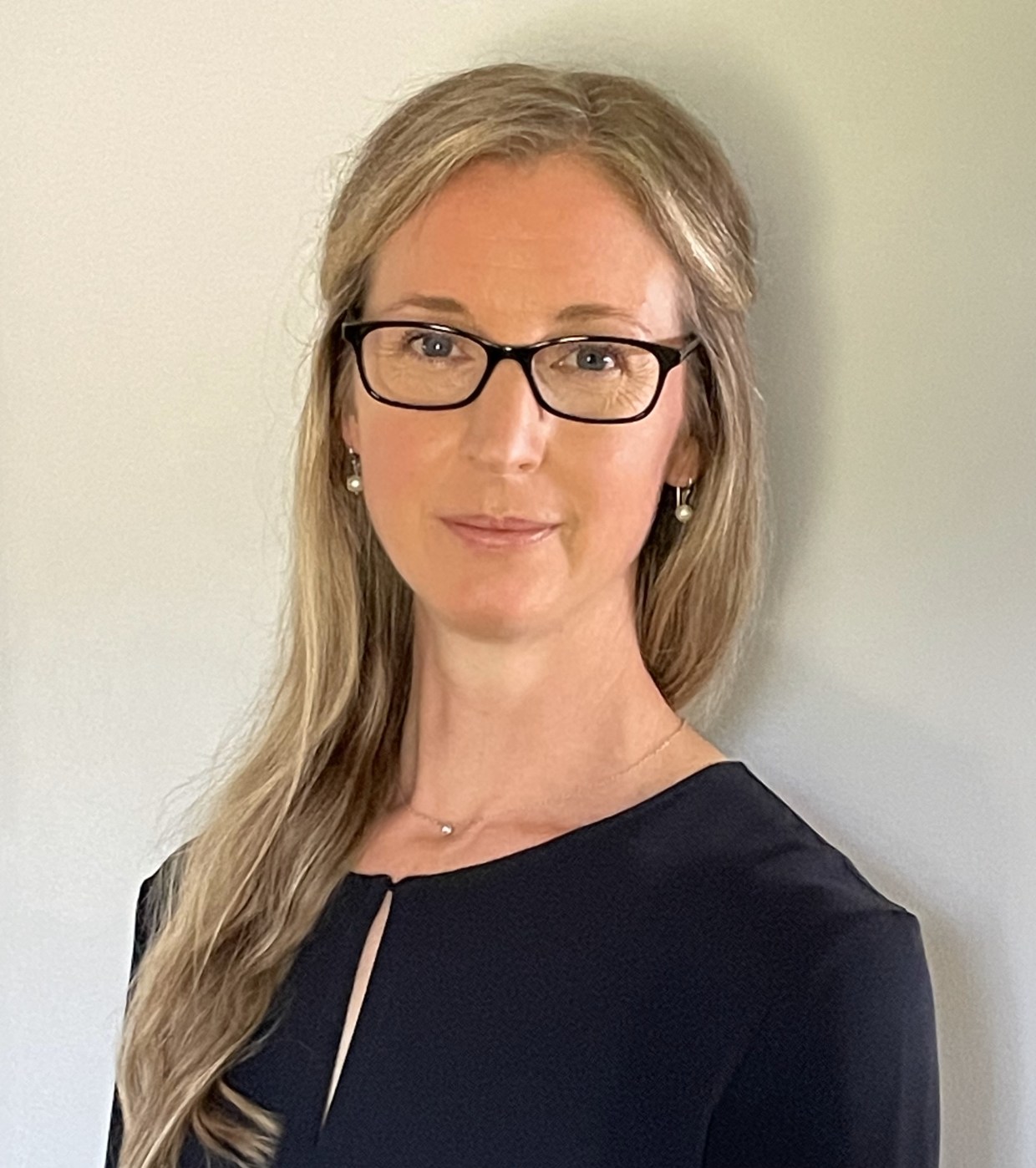
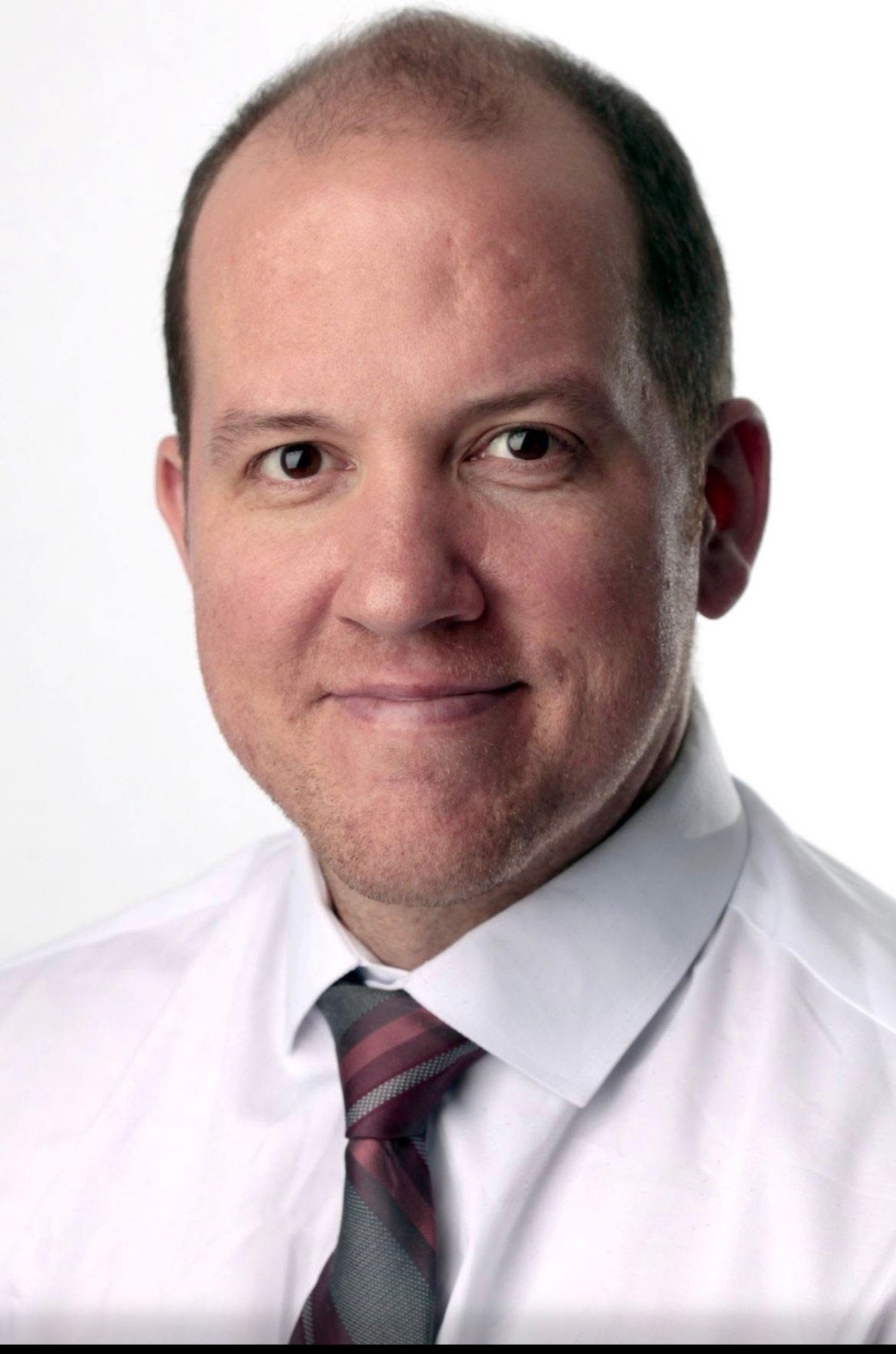
Join us for a dynamic panel discussion featuring three of Employee Benefit News' 2025 Excellence in Benefits honorees—HR and benefits leaders who are redefining how organizations support their people.
Transcription:
Transcripts are generated using a combination of speech recognition software and human transcribers, and may contain errors. Please check the corresponding audio for the authoritative record.
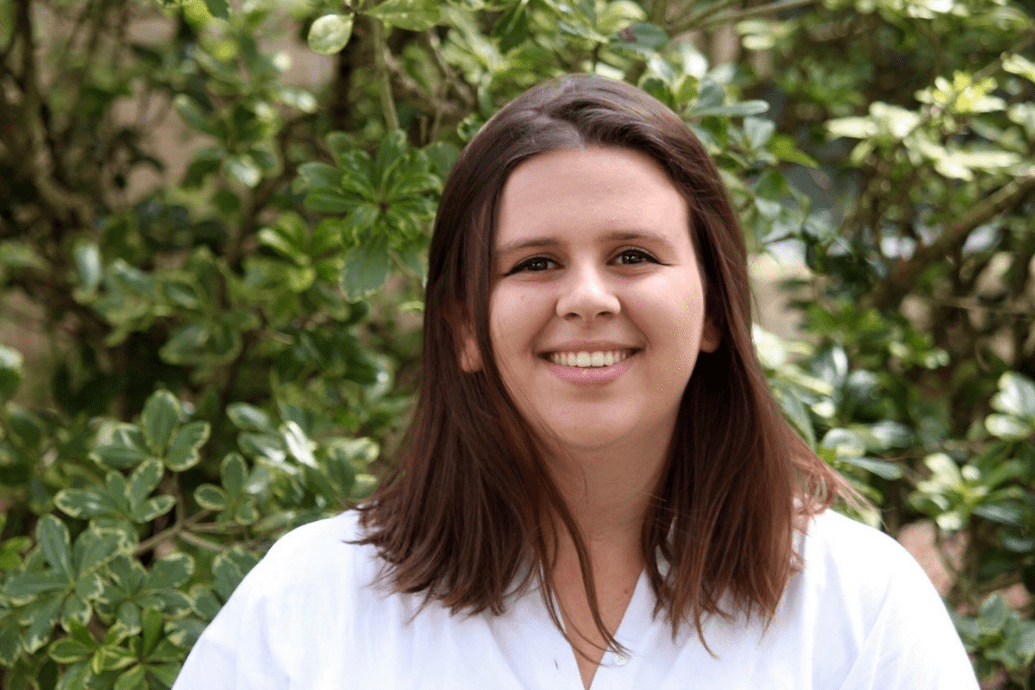
Alyssa Place (00:09):
Welcome everyone. Thank you so much for sticking around. I know it's been a jam-packed, long day. I didn't even realize that Tiffany was sitting next to me, not Dawn, so I apologize for that. Dawn was supposed to be on our panel and she had to leave a little early. I wanted to start this off because right after this we're going to be celebrating and toasting these and many other of our exceptional honorees today. We're going to talk a little bit about what excellence in benefits means to them and how they're living these values at their respective organizations every day. As you heard before, I'm Alyssa Place, editor-in-chief at Employee Benefit News, and joining me today is Tiffany Dennis, senior wellness program manager at Golden 1 Credit Union; Alex Bertin, director of Total Rewards at BambooHR; and Brian Coleman, VP of Total Rewards at Dawn Foods.
(01:00):
First off, I want to start by congratulating you for this recognition as 2025's Excellence in Benefits award winners. Let's start out with a nice little applause for all of you. We've spent the past couple of months behind the scenes learning about your backgrounds and your mission to create robust and inclusive benefits for your workplace. I'm really excited to bring those conversations to this group today. Obviously we're here to celebrate, and we've spent the whole day talking about our successes, but of course this job can be extremely challenging as well. I want to start by reflecting a little bit on the past year and some of those challenges that you're facing. Tiffany, I would love to start with you. You built your wellness program at Golden 1 Credit Union from absolute scratch. I want you to share what that experience was like and perhaps some of the pushback that you received as you took on that journey of introducing a broad suite of wellness benefits to a company that really didn't have that before.
Tiffany Dennis (02:03):
Yeah, thank you. One of the biggest challenges for me this year has been adapting our wellness program to the ever-changing workforce needs and not just maintaining what we currently have in place. Our hybrid workforce has definitely created some additional obstacles where employees are sitting at their desks when we want them to spend more time being active. Mental health and burnout have remained top priorities for us at Golden 1. With that, we realize that we have to look at our employees as a whole. Starting from scratch, I had to take a look at our claims data, our utilization, and what our healthcare costs were. With that data, I also focused on focus groups and surveying our employees to see what it is they actually needed. We want to make sure that we're not just providing for the needs they had four years ago, but the challenges they are actually facing today. Through lots of data analysis and spending time reviewing what our employees needed, I was able to design a wellness program that truly supported the whole employee: physically, mentally, financially, and socially.
Alyssa Place (03:33):
That's incredible. Thank you. And certainly challenging in today's healthcare and benefit cost landscape. Alex, you and I had spoken about this a little earlier today, but I wanted to ask you about how you're navigating ballooning healthcare costs and what you're doing at BambooHR to mitigate some of those particular challenges in 2025.
Alex Bertin (03:56):
Yeah, can everyone hear me? Is it just me that can't hear myself? So it's a great question, and I'm sure this is a similar thing that each of you are experiencing. Our healthcare costs have increased year-over-year pretty significantly over the past five or so years. Even more acutely, we've seen our pharmacy spend grow exponentially where it used to be such a tiny portion, but now it seems to be an ever-growing challenge. At the start of 2025, we implemented several new strategies to try and mitigate these costs. Some of these included site-of-care optimization—moving people from getting treatments at a hospital to an offsite facility where that cost is significantly less. We have been pushing our employees to biosimilars where possible, and then we've carved out those high-cost drugs out of our plan so that many of our employees can be eligible for manufacturer assistance. We've already seen year-to-date, with 1,500 employees, nearly a million dollars in savings just from our pharmacy spend year-over-year. This, plus having our employees find drugs in Canada—all these strategies have enabled us to find ways to mitigate these increasing costs, especially as the business demands that we find these efficiencies. These plus some other strategies have really helped us this year.
Alyssa Place (05:39):
Yeah, I mean it sounds like you have to be super agile to some of the changing trends. One of those trends is what we were just hearing about: GLP-1s. There are a lot of employee demands. Brian, I wanted to talk to you about the challenge of implementing some of those trending benefits like GLP-1s at your organization and what you're facing right now around that decision.
J. Brian Coleman (05:58):
Well, we're in the same boat a lot of folks are. We actually took a very large moral high road and for a long time allowed those drugs to come through. This last year we had over $900,000 with a 2,000-person workforce in GLP-1s—not for multi-conditional use, just for weight loss. My esteemed colleague here, we're all doing a lot of the same things. We're looking at chasing how we can eliminate, how we can really set up programs that keep our people healthier. It's not just our team members; it's usually their families. The ones that utilize them, we all know they're the expensive ones. How can we keep them healthy and move the focus around? We're actually looking at the removal of GLP-1s this year for weight loss. We'll still keep it for multi-conditional use in the program.
(06:57):
We do lots of other "farm out" things just like you do. If you're going to take this, you also have to do this wellness program; you have to go through this; we'll send you to Mayo or the Cleveland Clinic. We've been in this game a long time, doing these types of things to try to keep our folks healthy. Over the last 10 years, our cost increase with intervention has been at about 1.1% over cost increase for this segment. All of us here have to pat ourselves on the back once in a while because you do some massive, amazing things, and the only one that knows about it is the person you see in the mirror. Most of your organization doesn't have a clue. How many cookies, cakes, donuts, and muffins do you have to sell to make up for that savings we just gave you? There are some ways of doing those things. See me afterwards; I'll give you lots of hints on how to really discuss this with a CFO.
Alyssa Place (08:03):
I love that you are encouraging people to give themselves credit. One of the things that I noticed in a lot of the applications that came through this year was this focus on the teamwork mentality and working cross-functionally. I wanted to chat a bit about that—how you're navigating those relationships at your organizations and what it looks like in your day-to-day to get those key stakeholders on your side. Tiffany, why don't we start with you, because I think you shared that you had to do some work to get those stakeholders to get on your team when it came to this rollout.
Tiffany Dennis (08:41):
Absolutely, I did. I had to work very closely with senior leadership so that I could show them how the wellness programs and strategies I wanted to implement were going to affect our organization, our healthcare costs, and our overall risk. Again, it was sharing a lot of data and really telling that story to our leaders so they understood why we should invest in this comprehensive wellness strategy. I made sure to highlight that we saw high blood pressure, depression, diabetes, obesity, and back pain as our highest health cost drivers. With that, I let them know that if we implement plans specific to those, we can make a real impact on our health costs, claims, and utilization.
(09:43):
We were able to implement programs like Personify Health, which is an overall wellness platform. We implemented Omada, which is a chronic condition management program. We also added Headspace for mental wellbeing and other resources. But most of all, I listened to the voices of our employees. I was able to create a group called "The Hive," which stands for Healthy, Inspirational, Vibrant, and Engaging. They are our wellness champions who use our programs and provide honest feedback to their peers and leaders. With their peer-to-peer drive, they were able to increase our chronic condition program participation by 300% in one year. It's been an incredible story.
Alyssa Place (10:44):
Yeah. Alex, you speak a lot about the importance of "buddying up" with the CFO. Can you talk a little about the importance of that relationship and why that's an important avenue to getting your benefit ideas to life?
Alex Bertin (10:57):
Yeah, I always think of the CFO as my "frenemy." I'm very often asking for money and he's always telling me to spend less.
(11:07):
Making sure that relationship works really well involves a couple of aspects. One is being able to understand how he thinks about it—in his mind, it's about value creation. If I'm asking for money, I need to be able to put it in terms that he'll understand: if we do X, it'll result in Y impact for the business. Likewise, I think he really likes to hear stories and how that will impact the employee experience. Whenever I present things to him, I like to found myself in data and what the benchmarks show, but then also bring the human element into it. An example of this that I recently went through—the jury's still out if it'll be a success story—is evaluating adding a Lifestyle Spending Account for 2026.
(12:11):
I knew that to get this past my CEO, I would need buy-in from our CFO. I "pre-flighted" this before we were going to meet for a final decision. We talked through the empirical reasons and then I used several employee examples of why having a Lifestyle Spending Account would impact them. Surprisingly, even though this would be a big cost increase, he was okay with it. I bought him into being my advocate so that when we have the approval meeting, he would be in my corner. I think being able to have that relationship where you understand the business and tell that story is super important.
Alyssa Place (13:05):
Brian, you had shared that you recently implemented menopause support as part of a benefits package. Can you talk me through who you worked with and your strategy toward getting that over the finish line?
J. Brian Coleman (13:16):
The funny story is I bumped into one of the Maven folks here just a little while ago. We used Maven because we wanted something all-encompassing—not just family planning, but also menopause. As we talked about earlier, I'm probably one of the oldest guys on the panel, so I know a lot of folks who are having issues with thyroid. If they didn't address thyroid as well as menopausal support, we aren't going anywhere fast, because a lot of times thyroid issues are linked to those conditions when they're really not. The other thing is looking at how we can bury all of that into our medical plan.
(14:12):
Why? Because as we were doing support for family planning or menopause and giving team members money, it's all taxable. But if it's in the medical plan, it's not taxable. We were looking at families who were having the worst days of their lives, and if we gave them money, we just threw them into another tax bracket and caused unintended consequences. We planned for that ahead of time and partnered with Maven to look at that whole stream and then work it through Blue Cross Blue Shield. Blue Cross is actually notifying the practitioner saying, "This benefit is available, send them here." We're going to a "full circle" concept to help because we have a lot of folks at different ages and with different needs.
Alyssa Place (15:14):
I think it's interesting thinking about all those components. Obviously, a big part of your jobs is picking the right benefits for your population. Tiffany, how did you settle on Headspace? How are you making those decisions through this huge pool of options available to you?
Tiffany Dennis (15:44):
Yes, I am absolutely doing those gymnastics because I have to work within a budget leadership has set. At the same time, it's about looking at what our organization needs and what is most important to us: ensuring employees have access to care, can get an appointment quickly, and can filter through the demographics that are important to them. It's also about having more of a self-service model with our leaders. If their department is worrying about burnout or stress because of a big project, we want them to have a resource they can go to. It was a lot of reviewing our data and talking to our employees to find the right resource that fits within that budget.
Alyssa Place (16:56):
I wanted to touch on maybe a benefit that is sort of "free." Alex, you shared a bit about a PTO stipend that you offer. Can you talk through the experience of offering that and what the payoff has been?
Alex Bertin (17:24):
Yeah, I don't know that it's free or cheap. A unique benefit we offer at BambooHR is called "Paid Paid Vacation." You have your paid vacation time, and then we give a $2,000 stipend to every employee every year to spend while they're on vacation. This benefit has reaped a lot of long-term rewards. It's ingrained into our culture, and I think the value our employees place on it is greater than the $2,000 we spend. Understanding what your culture is and weaving your benefits in to match allows them to come alive. To take this one step further, two years ago, we heard feedback wanting a recognition of tenure.
(18:33):
I quickly got shot down by our executive team to do a sabbatical, but we still wanted to recognize tenure. We decided to enhance this "Paid Paid Vacation" benefit by increasing the dollar amounts at key milestones—5, 10, and 15 years. The impact we've seen is even greater retention. Our long-term employees really appreciated the extra benefit. Any way that you can spark that joy and connect to the culture makes your benefits stretch farther.
Alyssa Place (19:21):
That's increasingly difficult because you now have five generations in the workplace. Brian, you mentioned you had an employee who was 107?
J. Brian Coleman (19:33):
107. We went from 18 to 107. She just passed, but we have a lot of 80-year-olds because what we do is "happy food." Those donuts were our mix. I had to do a quick sample earlier—yep, yep, yep. You have to set up these benefits for everyone. You might even have internal battles with HR; my Chief People Officer is constantly saying, "You have too much stuff out there." But we look at all the different types of things. They might be the same offerings, but they're used differently based on education. We have a private YouTube channel with 144 videos to try to educate folks.
(20:31):
It's set up for neurodiversity. We have neurodiverse folks who can't sit through 45 minutes of education but can sit through five minutes. Once they do that, they can use the benefit for their family. We're all competing in the same zone to keep the best folks here. We also do a lot of alumni programs because that person who left might be back two years later with specialty knowledge. 107 years old—she was still on all of our medical plans, getting her eyes checked. It was making my systems nuts. Every time she went to a doctor, we would get a phone call saying it wasn't covered; we'd have to key it back in. But those are the types of things. We are a family-owned company over 105 years old. My payroll manager's grandfather used to work at Dawn, her sister works there, her daughter worked there. We have to do unique things for the whole family. I'm 58; I have different needs than an 18-year-old. It really is tying into the culture. I was jealous about your vacation thing, Alex. I thought I was king by tying our recognition programs into our values with Amazon points, but I'd kill for $2,000 for my vacation.
Alyssa Place (22:43):
If you get that sabbatical set up, I will give you a call for a job! Tiffany, can you share your communication strategies? How are you engaging a multi-generational workforce with such diverse needs?
Tiffany Dennis (23:05):
We have to be creative. We have a monthly newsletter, but we also recognize that branch staff and employees on the phones all day may not be able to read an email. We've sent mailers to homes. We hold special events. We've got screens throughout our buildings so employees can quickly read what's happening. But our biggest way to reach the workforce is through "The Hive," our wellness champions. They are the largest and most active group in our organization. They focus on physical, mental, financial, and social wellness. I've focused more this year on social and community events to reach those employees who aren't paying attention to emails or mailers.
Alyssa Place (24:27):
Alex, how are you navigating this at a tech company?
Alex Bertin (24:38):
In the financial wellness session earlier today, I shared that I sent an email and got an auto-response back saying, "I don't look at emails. If you want to reach me, send me a Slack." I was blown away—I thought email was part of the job! But you have to find employees where they are: email, text, mailers, or Slack. Within BambooHR, we have an employee communication tool. You can send messages and they have to click that they read it. We often do important communications, particularly around open enrollment, which forces them to consent that they read it. That allows us to narrow down the sub-population that didn't and do follow-ups.
Alyssa Place (26:21):
I want to shift to your personal benefits philosophy. Tiffany, how do you apply your philosophy to your day-to-day work?
Tiffany Dennis (26:38):
I believe wellness needs to be the foundation of all benefit decisions. Medical, dental, and vision coverage are important, but if they are paired with wellness, it helps round out the benefit and cover the whole person. I also believe just talking to your employees and really listening to what they're saying helps shape what programs you implement. We've seen preventative screenings increase and chronic conditions go down because we're putting wellness at the center of our decisions.
Alyssa Place (27:36):
Alex, does that resonate with you?
Alex Bertin (27:41):
Yeah, this question made me ponder. I would encourage everyone to bring a "toolkit" of collaboration and curiosity rather than a "playbook." The right philosophy at Golden 1, Dawn Foods, and BambooHR is going to be different. Working with leaders to understand the culture and listening to employees is critical. Founding yourself in data is the right way to figure out the right programs for that time.
J. Brian Coleman (28:39):
I'm a little bit of all of the above, but about 10 years ago we developed an advocacy-wellbeing model. You still have to do the playbook to keep costs down, but how do you look at advocacy and wellbeing together? We can tout wellbeing, but a lot of people don't know what to do. We've brought a lot of advocacy in to help them. We have a lot of things out there to help folks understand what they have and how they can use it.
(29:38):
It's the teamwork—not just you as the leader, but you and your partners. In communication, we bring all 26 of our partners together quarterly. Notice I said "partners," no "vendors." We do a thematic newsletter each month, and they supply information based on our theme. Otherwise, team members just get noise. The other cultural thing is not to tie things to the "flavor of the month." That works for a year or two, but after that, your audience checks out. You've got to keep things real to their lives and their kids' lives. The joke I say is: like Mozart, we're a variation on a theme. My last piece of advice is to stay inquisitive and always plan three steps ahead.
Alyssa Place (31:53):
Thinking ahead—it's already September of 2025. What's next for your organizations? What are you excited about for 2026?
Tiffany Dennis (32:14):
For me, we're going to be focusing more on social and community connections. Our focus groups found that's what employees were seeking. They want events and to partner with each other on programs. Golden 1's culture statement is that we care with heart, serve with pride, and deliver with excellence. We want to ensure our employees' wellbeing is just as important as the members we serve.
Alex Bertin (33:27):
Evaluating an LSA is on the list, but more than anything, I don't have a super sexy answer. We made so many changes coming into 2025—changing medical providers, doubling down on wellness, and implementing Personify and Headspace. We're hoping to see the impact of those in 2026. Wellness is not usually an immediate impact; seeing that long tail into '26 is what we're expecting.
Alyssa Place (34:22):
And Brian, what's three steps ahead?
J. Brian Coleman (34:24):
Looking at how I can educate more on AI from a communications perspective. I'm putting podcasts in place because I realized my sales teams and truck drivers can listen to podcasts while they drive. We'll be looking at conjoint surveys again. My biggest challenge is that anything I implement has to be replicated around the world. I'm working on a Canada strategy right now. My goal is to set it up so the person who comes in my slot years from now has an easier way than I did.
Alyssa Place (35:45):
What does it mean to show excellence in benefits? What is one thing people can take home with them?
J. Brian Coleman (36:08):
About 10 years ago, we started porting all of our costs into a think tank so we get ahead of costs each year. We look at the whole picture. I once called a plant manager and told him he needed to add two million to his budget. After the swearing died down, I explained: they were working 12-hour shifts and had expectant mothers who weren't using the wellness program. The chance of a preemie was high, and that would cost them. We were able to facilitate a change in their work habits and culture. You're not only doing numbers for your CFO, you're changing the way your organization looks at everything. We are also working with local doctors to create concierge services for plants that work 12-hour days. That's excellence—looking at how you can help not only your company but the community.
Alex Bertin (38:19):
Excellence is understanding that your role is serving your employees, who are your customers, so the business can get the results it needs. My advice is to be curious and founded in data. Brian and I both find passion in "conjoint analysis," which pits different benefit options against each other in a survey. It tells a different story than what you hear anecdotally. Whatever you can do to find yourself in data and delight your employees—that's what creates excellence.
Tiffany Dennis (40:10):
For me, excellence is designing programs where you're taking into account your employee's needs and experiences. You're not just making assumptions; you are using data and really listening to what your organization is saying. Remaining curious and listening can turn a good program into a great program.
Alyssa Place (41:00):
We have a couple of minutes for questions.
Audience Member 1 (41:12):
I have a question for Alex regarding the paid vacation benefit. You mentioned convincing the CFO that it adds value. What kind of feedback have you gotten from the C-suite since it was implemented?
Alex Bertin (41:58):
It's become ingrained in our culture. If I tell someone in Utah I work for BambooHR, they say, "Oh, you guys have that paid vacation thing." It's become a calling card and a retentive mechanism. Our executive suite thoroughly loves it and would never advocate for removing it.
Alyssa Place (42:58):
All right. Well, please don't leave because we have an award ceremony right after this. I want to thank our panelists. Please stick around—we're going to present awards and have a toast. Thank you all for joining us.
Excellence in Action—The Future of Benefits, From Those Building It
September 3, 2025 4:45 PM
43:24