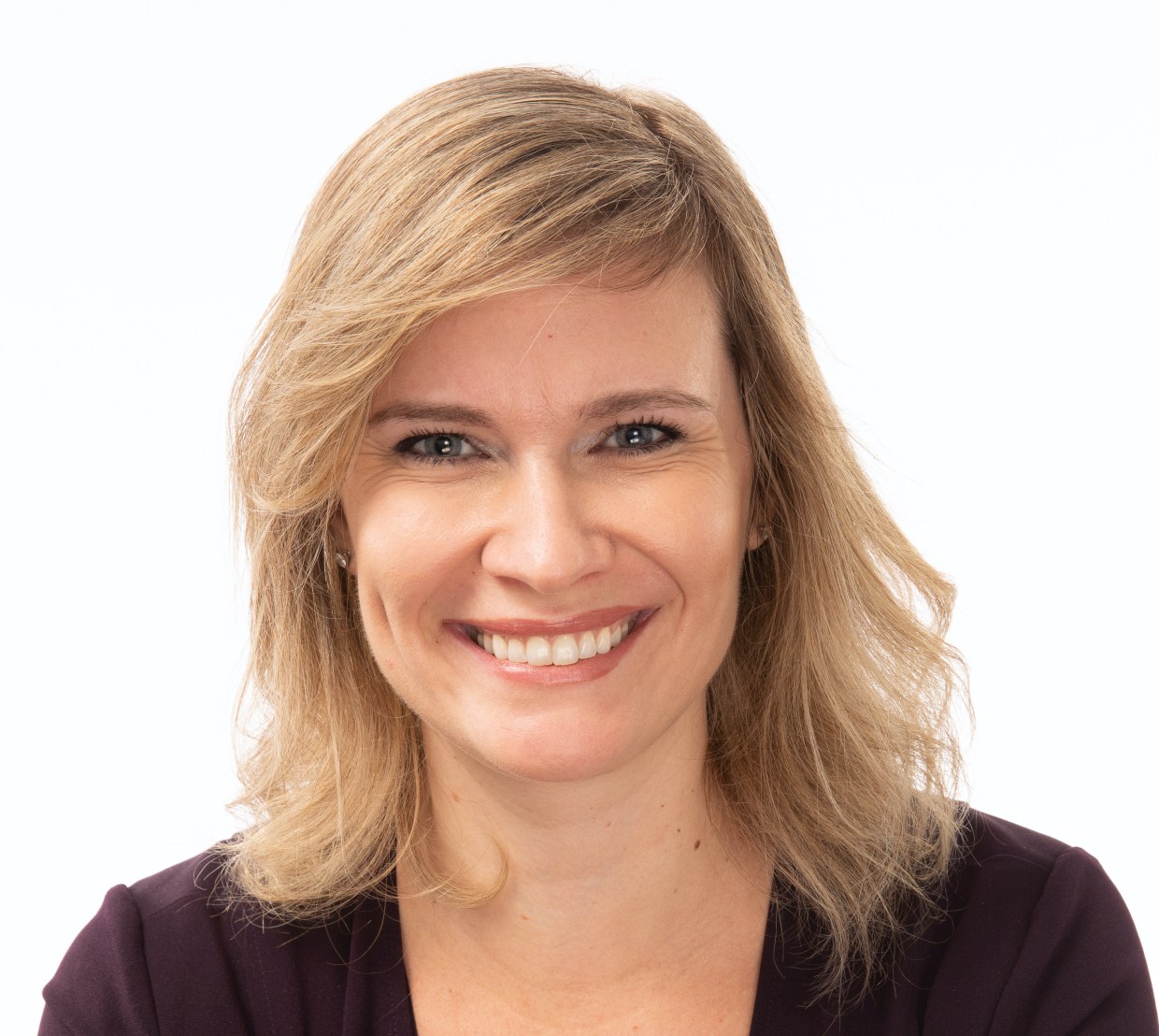
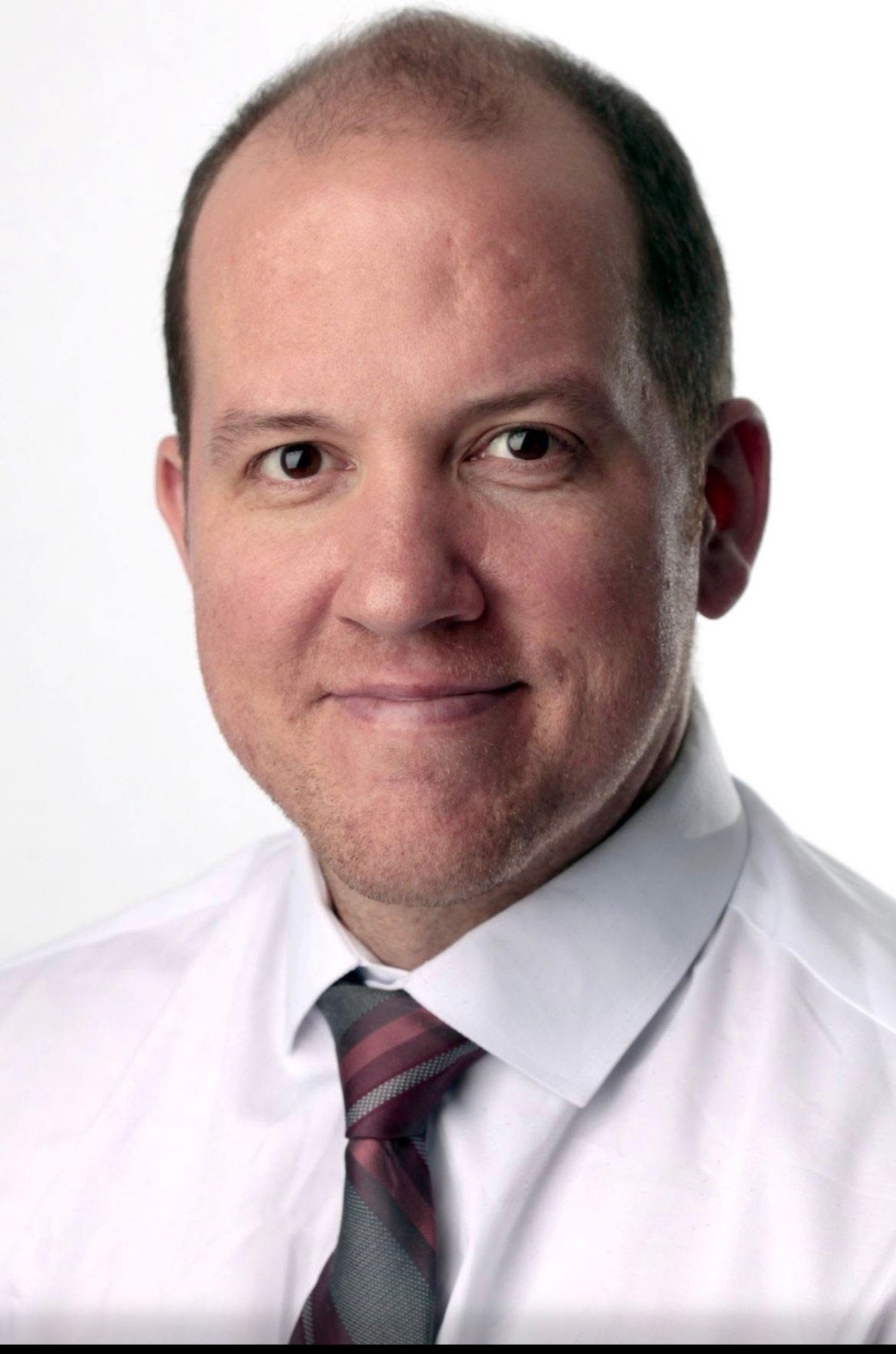
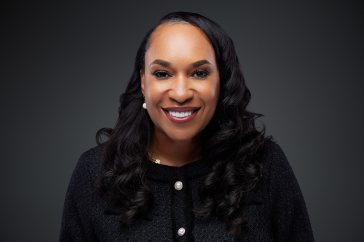
In today's competitive talent market, standard health, dental, vision, and 401(k) plans just don't cut it. To attract high-impact hires—especially those elusive "unicorn" candidates—employers need to get creative. This session will explore how organizations are going beyond the basics to differentiate themselves through innovative, meaningful benefits. From lifestyle stipends to mental health support and personalized perks, learn what today's top talent is really looking for—and how to make your benefits package a true competitive advantage.
Transcription:
Transcripts are generated using a combination of speech recognition software and human transcribers, and may contain errors. Please check the corresponding audio for the authoritative record.
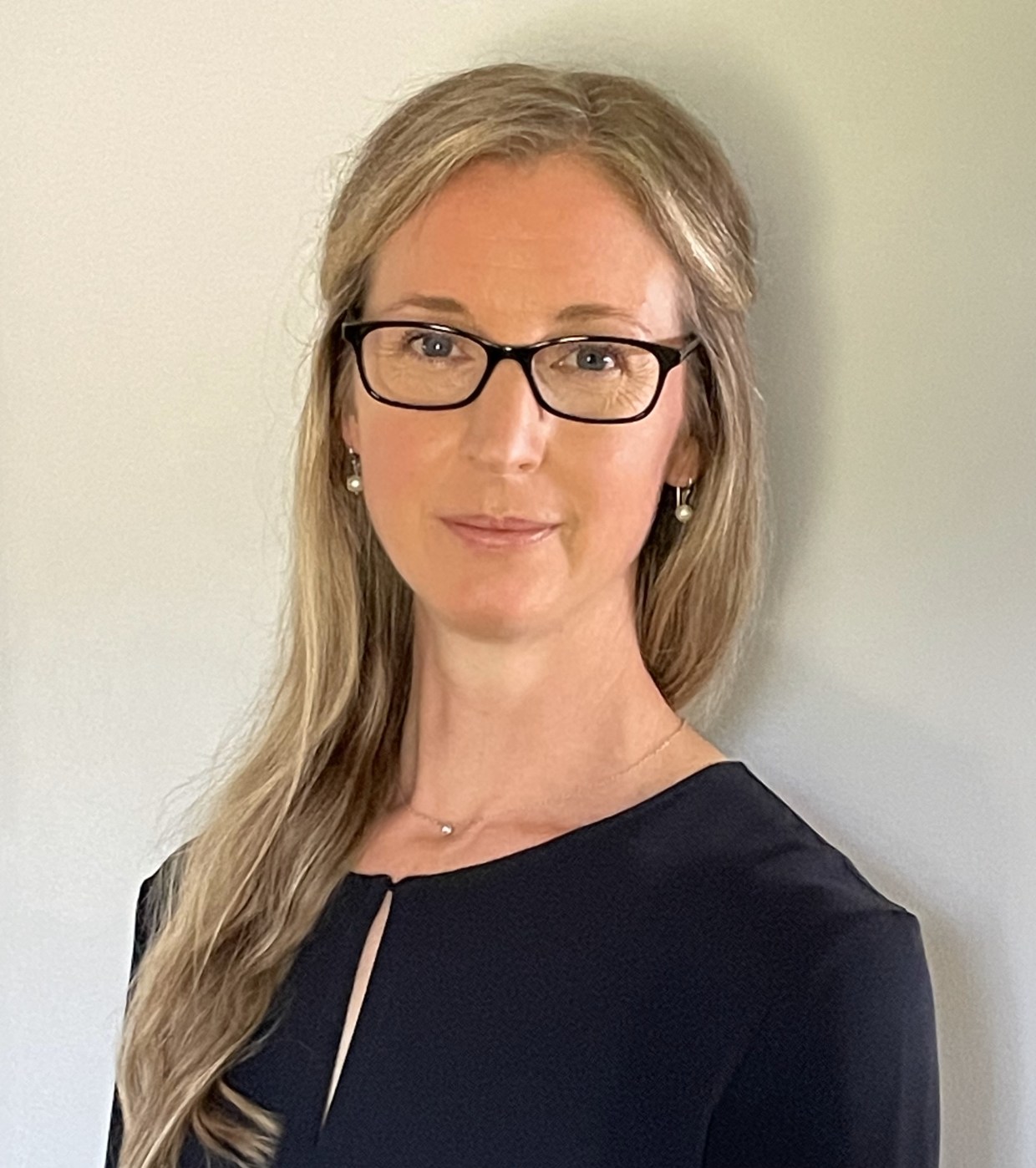
Alyssa Place (00:10):
All right. Hi everybody. Hope everybody enjoyed that lunch. I feel a little bad that I had salmon and I'm sitting so close to you, so I should have had a mint or something. But thank you all so much for coming. Today we're going to be talking about attracting top talent beyond the basics. We're going to dive into the benefits that go beyond a standard healthcare plan or 401k. Many of those benefits have actually become table stakes over the last couple of years. We have a great group of panelists with us today who are juggling the many needs and demands of today's workforce with the challenges of benefit resources available right now. I'm so excited to hear their thoughts and ideas for navigating a difficult benefits environment and the elevated needs of employees. I'm Alyssa Place, editor in chief of Employee Benefit News, and joining me on stage is Cynthia McEwen, Group Vice President of People Experience and Opportunity at Progeny.
(01:05):
We have Kelli Henderson, the VP of Human Resources for Total Rewards at Aflac, and we have Frank Janecek, Senior Director of Benefits at Fortune Brands. Thank you all so much for joining me. When we talk about benefits, that world has really expanded well beyond what you may have considered standard even just a couple of years ago. As such, employee expectations around what's being offered have also greatly expanded. Why don't we start by talking about what that looks like and what areas you're investing in this year while keeping that budget in mind? Cynthia, why don't you kick us off with what's on top at Progeny right now?
Cynthia McEwen (01:51):
Sure. Well, there's one disadvantage here to going this late in the conference. I'm going to try not to repeat what others have said, or I'll say it in a different way. For us, and I know we have other companies in the room that have a similar demographic, we are 75% female. So we have definitely doubled down internally for our employees on women's health benefits. This year in particular, we've made more of a buzz around our menopause benefit. We certainly have also focused on our doula coverage and our doula network, and we wanted to make sure that all of our employees were going to have the ability to participate in new parenting.
(03:02):
It still is a matter of looking at things holistically rather than just point solutions. People might say, "Well, that's what Progeny does," but we have not just focused on our Progeny benefit. We wanted to focus on areas where, looking at our claims data and our employee experience, we really needed to lean in. One of those has been cancer screening. We rolled out a benefit this year to support and make sure our employees were getting appropriate cancer screenings when they needed them, providing the advocacy and the help to do that. That has definitely been a focus this year.
Alyssa Place (03:44):
And Kelli, one of the things that we talked about was the focus on health and wellness, but you're taking it a little farther at Aflac. You have some onsite health clinics; I'd love for you to talk about that as a benefit. That is something that not everybody has. Can you share that with us?
Kelli Henderson (04:00):
Yeah, sure. At Aflac, we decided that we really wanted to focus on our employees' wellness. We have three onsite clinics where we offer preventative care, acute care, and we also have a behavioral health coach and physical therapy. I was a little hesitant about the physical therapy piece, but that's actually one of our most popular services; our physical therapist stays 98% booked. People love having that onsite. We also balance the onsite clinic for onsite employees with our remote population. We added virtual primary care through the same carrier to try to be fair and balanced for both populations.
(05:20):
To bring it a little bit further for onsite this year, we're bringing in more screenings. We're going to do a mobile mammogram this fall for our call center and employees on site who find it tough to get to the doctor. We've also partnered with vendors to bring in vision and dental exams. We laughed at first, wondering if we were really going to have our multipurpose room set up to do dental checks, but we did and it was great. It was really popular.
Alyssa Place (05:20):
Yeah, I think it's interesting that you're hearing from your people and bringing those benefits directly to them. Frank, I wanted to talk to you about the caregiving benefits you're offering. You mentioned that you're now offering financial support for employees whose children have disabilities. That's another thing that we don't typically see. Can you talk about why you implemented that and what results you've seen so far?
Frank Janecek (05:43):
Sure. It's a unique benefit. It's basically a disability benefit, but covering your children, not yourself. You're able to have cash come in if something happens to a child—which no one ever expects—but that way if someone has to take time off work, they have money to help offset that. It's a newer benefit to the States that actually came from Europe. We offer it right now on a voluntary basis and we're going to see how it works over the next year or two, then maybe make it a contributory benefit. As of now, it's just an option with a lot of education around it because it's different. We've mirrored that alongside traditional caregiving support so that it handles any kind of caregiving experience, whether it's this disability program or general support.
Alyssa Place (06:57):
It's obviously impossible to add every benefit that might support every type of employee. I wanted to talk about how you're finding that balance with employee needs and the business case. What type of tools are you using to make those benefits decisions? Cynthia, if you want to share.
Cynthia McEwen (07:17):
I think a benefits survey is a great tool. You want to make sure it represents not just what employees know about your benefits, but also what they're interested in. We did get concerned about survey fatigue, so we did a big survey this year and we'll do a pulse survey later. It gives you a true sense of where to focus your energies. There are so many solutions out there; you have to know your company and your values, then truly hear from your employees. You can do surveys or focus groups, but everyday conversations are often where you get good information about what employees truly need in the moments of their lives.
(08:53):
The other thing is your claims data. Look at your large claims, emerging claims, and where you are already spending a lot of money. Try to figure out where you can partner with someone or develop an internal benefit to help with those numbers. Knowing your "why" and having the data helps make the case.
Kelli Henderson (08:53):
To piggyback off of what you said, data is definitely helpful. If you dive into the data, it helps put forward recommendations and get support. We really worked on that this year because we saw spikes in mental health claims, leave, and chronic conditions. By showing this data to our executive team, they were really supportive of changes. Of course, as benefits leaders, we want to implement everything every year, so it is a struggle to prioritize. We don't do a standalone benefits survey, but we have an employee engagement survey where we ask a few benefits questions. We get a lot of comments from that. We also do town halls where we talk to employees about our benefits and ask for suggestions. We look at a five-year plan so we can prioritize what we offer each year and grow a robust program.
Frank Janecek (10:14):
We also do an engagement survey, but it doesn't really ask benefit questions at all, which doesn't help the benefits department much. What we've done is brainstorm with our different HR departments. When I first started three years ago, I went to many of our sites and talked with the HR teams and did some focus groups. Besides everybody wanting more time off, we didn't get a consensus, but we did find the drivers and concerns. We took that back and developed a benefit strategy that we keep on a rolling three-year basis. That strategy drives every decision we make: what programs we offer and why. It's our roadmap. We're already reviewing two or three years from now. This makes decisions easier because our executives already know what's on the roadmap; it's not a surprise.
Alyssa Place (11:49):
I love the idea of a roadmap. You also mentioned knowing your "why." Why are these frameworks so important? How easy is it to get overwhelmed if you don't have a structure?
Cynthia McEwen (12:12):
It's very easy. The sheer number of companies out here to help support your benefits goals grows every year. It is really difficult to know where to focus your time. We work really well with our benefits broker. We hope they have the experience with vendors to whittle it down based on our goals. We use them as a sounding board to see if our thinking makes sense or if they can benchmark it. They can tell us if the data isn't there yet for a new solution. Having that partnership has helped us keep a plan that works for our business while focusing on cost containment and fiduciary duties.
Alyssa Place (14:09):
Frank, you shared that you don't work with a broker. Can you share how your approach is different and why that was the best choice for you?
Frank Janecek (14:18):
We have a consultant that we use primarily for managing vendors and actuarial work, but for the most part, we do our own sourcing. We can get besieged by emails and calls every day, so we focus on certain times of the year for those meetings. We belong to groups where we see innovative solutions at an early stage. We also use connections with peers. We rely less on brokers because they are dealing with multiple clients and not everyone has the same needs. Sometimes consultants have favorites that might not be the right fit for us.
Alyssa Place (15:52):
And Kelli?
Kelli Henderson (15:52):
I'm more with Cynthia. I rely heavily on our broker and their relationships. You have to look at your overall benefits package when evaluating new tools. Early in my career, I had a tendency to just add, add, add, and that becomes overwhelming for employees. They don't know what to use when. It's about how it fits in and how you communicate it.
Alyssa Place (16:43):
That's a good segue to engagement. You have this perfect suite of benefits, but people might not know they exist. How are you getting these benefits into the hands of people who need them?
Kelli Henderson (17:10):
At Aflac, we kicked off a campaign called "Employee Cares." It's a quarterly program that looks at different wellness areas. We found that using our employees as spokespeople on posters around campus and on laptops works well. People love to see that. We start with open enrollment as a springboard, but then we look at monthly topics to get information out in bite-size pieces. We use all different mediums: town halls, emails, and an intranet page. I hate it when I hear an employee say, "I wish I had known about that benefit," when we already have it.
Cynthia McEwen (18:34):
We hear that as well. We leverage similar ways of communicating, but we don't roll out all of our benefits during open enrollment. We aren't afraid of rolling something out in April or July so it's not part of that open enrollment overwhelm. We also leverage awareness months, like rolling out cancer screening during Skin Cancer Awareness Month. Benefits are often episodic; you need them when something is happening to you. We use Teams chats to bring awareness. We also do benefits fairs twice a year. Since 60% of our employees are remote, we do remote sessions and record them so it's not just a piece of paper, but a video or a website.
Frank Janecek (20:43):
Engagement is a challenge for us because 70% of our population is in manufacturing or distribution. They don't use email, they work shifts, and have short breaks. We still go the old-fashioned route with mailings and onsite benefit fairs, even though it's hard to pull people off the production floor. We hope word of mouth and supervisor promotion helps. We've found that programs with high value, like our free virtual primary care or our new virtual EAP, get good traction (30-40% utilization). It's an ongoing challenge.
Alyssa Place (22:35):
Kelli and Cynthia, you mentioned you hate hearing "I wish we had that benefit," but sometimes you aren't going to have it. How do you make the decision to say no?
Kelli Henderson (22:59):
It's hard. We listen to the employee's side and then explain how we look at benefits on a five-year plan. It might not be approved this year, but it may happen down the line. We had this with fertility benefits. Employees were asking when we would increase the maximum. When it finally got approved, we were able to reach back out and tell them. We just try to balance options and economic sense. Hopefully, there's an alternative we already have that's more cost-effective.
Cynthia McEwen (24:09):
Same here. Being as transparent as possible helps. If you explain why a decision was made, most employees understand. We are a public company and our employees are shareholders, so we remind them that decisions are made for the good of the company and the budget. Being a healthcare company, our employees are also savvy about increasing costs. Those conversations can be uncomfortable, but they are important. Often, those individuals gain a better understanding and become spokespeople. If your package is comprehensive and addresses the diversity of your population (remote vs. urban vs. rural), there is generally less complaining because everyone is benefiting in some way.
Alyssa Place (26:37):
Frank, how are you dealing with the complaining?
Frank Janecek (26:40):
We try to be proactive by looking at what's driving our costs and seeking solutions. We also have a cadence with our employee resource groups. They bring recommendations forward and we are transparent about the budget or benchmarking. We never really take things off the list. If they know they are heard and we provide rationale, the conversation goes a lot better.
Alyssa Place (28:00):
Is benefits still the high-stakes differentiator it was a couple of years ago? How has your thinking evolved?
Cynthia McEwen (28:29):
I think it still is. We are always looking for top talent. Your total rewards package has to be competitive. You don't have to compete with everyone, but you need to know who your competitors are. Based on the inquiries we get from candidates, and even watching my own children enter the workforce, people are looking at what a company offers for their future needs. We can't rest on our laurels.
Kelli Henderson (30:09):
I agree. We haven't seen a shift yet. Aflac is a benefits company, so we have the support for a fantastic program. Our CEO says if you take care of the employees, they will take care of the business. We have a tenured employee group that expects it, but when we recruit or make acquisitions, it is definitely a factor in attracting talent.
Frank Janecek (31:03):
We want our benefits to be more competitive than the peers we recruit against in rural areas. A component of our strategy is "creating value." If I can provide free primary care or mental health counseling for someone making $18 or $19 an hour, it removes barriers. It shows the company cares. When candidates see what we offer—not just the medical plan, but what goes around it—they appreciate it.
Alyssa Place (32:46):
If money were no object, what is one area you would love to invest in for your company?
Cynthia McEwen (33:10):
This is dangerous to say because my CHRO is in the room... GLP-1s. It is the thing our employees ask about the most. We offer it for diabetes care but not as a weight-loss solution. Our demographic makes that very difficult. If money were no object, that would boost morale for those who feel there is a gap.
Kelli Henderson (34:21):
Same for us on GLP-1s. Our plan was actually set up to cover weight-loss medications, and when GLP-1s exploded, we realized we couldn't continue covering them from a cost perspective. I'm waiting for something to happen where we can cover them again. I'd also love to build out women's health. Requests for hormone treatments have exploded this year. Finally, I'd like to expand our onsite clinics to dependents so it's a one-stop shop for families.
Frank Janecek (35:34):
I would invest as much as I can in prevention and screenings. If I had an unlimited pot of funds to incent those screenings, that would be terrific. We don't have onsite care, so investing in permanent or near-site programs to bring care to our communities and families would be a great addition to our mix.
Alyssa Place (36:25):
Well, I'm an employee and I would love unlimited PTO, so if anyone is offering that, I will find you. Thank you all so much; this was a great conversation. We have a couple of minutes for questions.
Audience Member 1 (36:50):
That was a great panel discussion. My question is for Frank. I am the mom of a 17-year-old child with special needs, so I commend your organization for providing that benefit. What vendor are you sourcing that from?
Frank Janecek (37:20):
The company is called Juno. It's one of those benefits where we wanted to offer it but didn't know if it fit the budget, so we offered it as voluntary for now. Our long-term plan is to see if we can contribute toward it. We also offer a caregiving benefit that provides support for the special needs and autistic spectrum to help find local resources and state programs.
Audience Member 1 (38:28):
Do any of you offer additional benefits like mortgage help, 529 plans, or financial wellness?
Cynthia McEwen (39:01):
We partner with our 401k advisor for one-on-one meetings to help employees understand their financial goals. We also offer equity and realized education there was important, so we bolstered that as well.
Kelli Henderson (39:53):
Very similar for us. We transitioned to our 401k provider for financial wellness so it's all on the same website. This year we added assistance with student loan repayment so they can get the 401k match if they provide documentation of loan payments. Our provider also offers 529 plans and mortgage assistance through a third party.
Frank Janecek (40:59):
We have a patient financing program where an employee can get up to $2,500 to pay for medical, pharmacy, or even veterinary expenses, and then pay it back through payroll with no fees or interest.
Alyssa Place (41:16):
Interesting stuff. Thank you to Frank, Kelli, and Cynthia. I really appreciate your time.
Standing Out in the Benefits Game: Attracting Top Talent Beyond the Basics
September 4, 2025 1:45 PM
41:30