State of Pharmacy Management


The pharmacy landscape is shifting rapidly—and employers are feeling the pressure. From skyrocketing drug prices to the rollout of game-changing treatments like GLP-1s, benefits leaders must find ways to balance innovation with affordability. This session offers a timely look at the current state of pharmacy benefits, with a focus on high-cost drugs, biosimilars, and the growing role of specialty and generic medications. Experts will share practical strategies to optimize your pharmacy benefit design, improve cost transparency, and help employees access the medications they need without breaking the bank.

Transcription:
Transcripts are generated using a combination of speech recognition software and human transcribers, and may contain errors. Please check the corresponding audio for the authoritative record.


Janet King (00:10):
Hi everybody. Hello. Good morning. It's great to be here. Thank you, Bill and Andy. Bill, how do you pronounce your last name?

Bill Dembereckyj (00:19):
It's Dembereckyj.

Janet King (00:20):
Dembereckyj. Now we all know—

Andy Covell (00:22):
Easier than it looks.

Janet King (00:23):
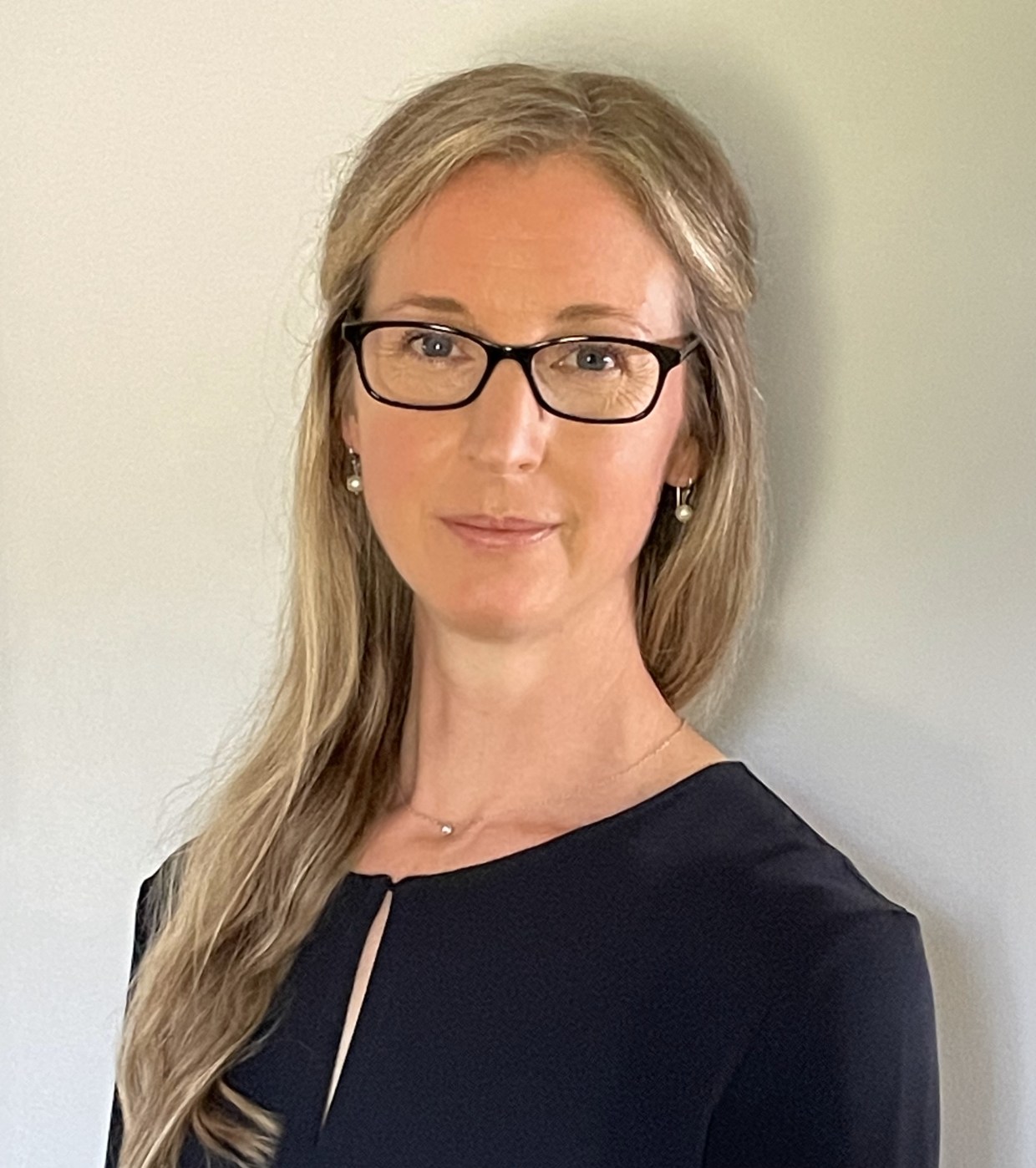
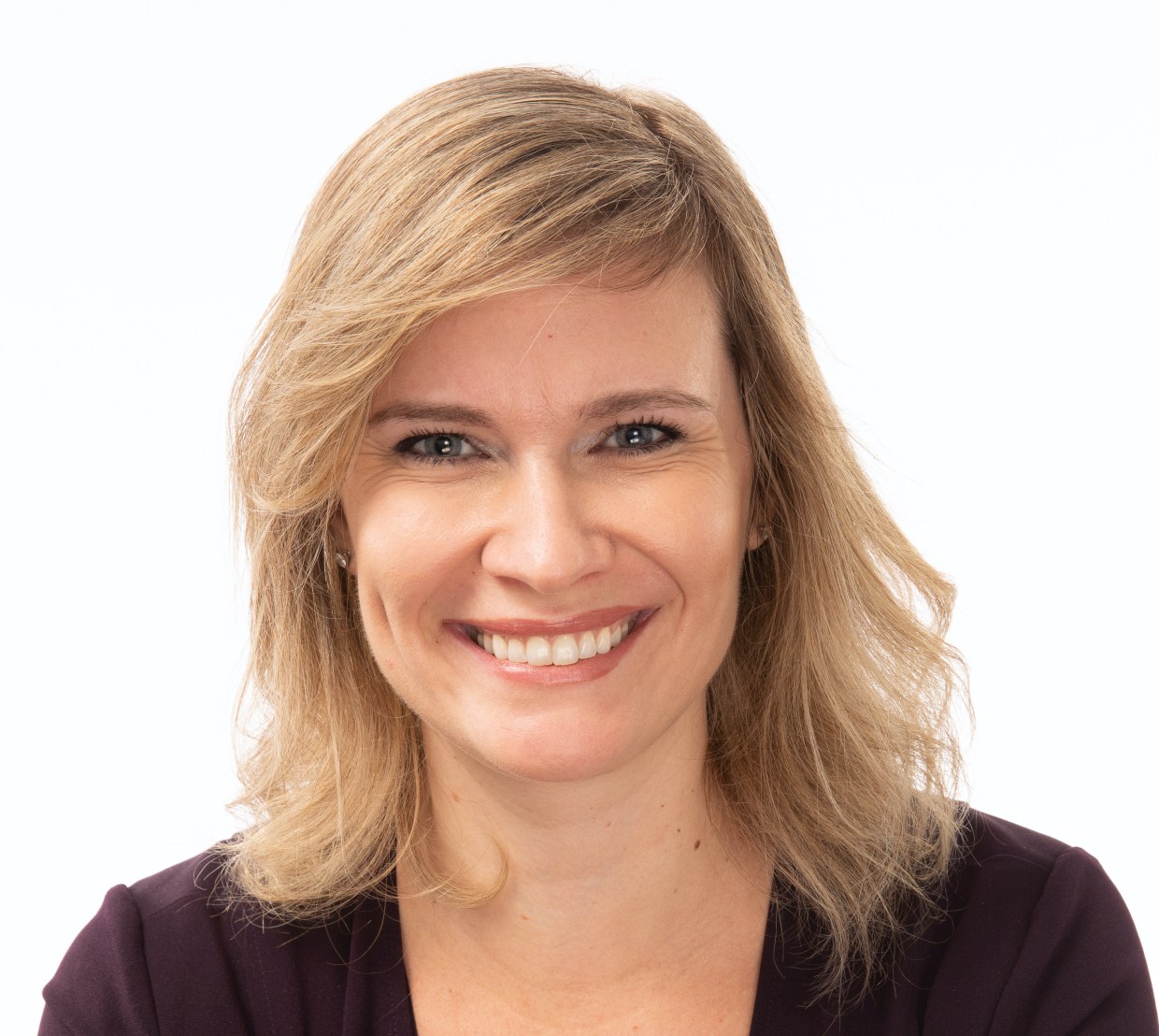
It's a lot easier than it looks. So thanks for joining us today. Before we get started, or just to give us some context, can you both take a minute to introduce yourselves and tell everyone in the room what you do and what your role is? And we'll start with you, Andy.

Andy Covell (00:35):
Awesome. Good morning everybody. My name is Andy Covell. I am the Director of Total Rewards at Cal Arts. And if you're not familiar with Southern California, it is a higher education institute outside of LA in Valencia. It's a liberal arts school, small, very cool. And I've been in the benefits HR arena for just over 20 years.

Janet King (00:57):
Great, thank you.

Bill Dembereckyj (00:59):
And hi everybody, I'm Bill Dembereckyj. I'm the Chief Financial Officer at Imagine 360. I've been here just about a year. I'm a CPA, and it's rare that they let the accountants out of the office, so I'm excited to get to be here with you all today. Give your accountants some love when you get back there, by the way. But I've been in healthcare my entire career, 30 plus years, and had the opportunity to build a PBM at another company called HealthSmart and now building Imagine Rx here. So it's exciting to be here with you today.

Janet King (01:28):
Awesome, thank you. All right, so today we're going to be drawing on some insights from research we recently completed at Employee Benefit News. Let me just see if I can get the clicker to work. Here we go. Excellent. So this is a piece of research we did on the state of pharmacy management. We conducted it in partnership with Imagine 360. The research itself was conducted in June and we had 139 HR and benefits leaders respond. They really represent companies of all sizes across all verticals. About half of the sample was from companies with less than 500 employees, a little over half was at companies with more than 500 employees, and fully a quarter have 2000 plus employees. So it's a good spread of company sizes—small, medium, and large. We had a mix of fully insured and self-insured respondents. So I feel like we have a good representation of what HR and benefits leaders are thinking about when they think about pharmacy management. Our goal here was really to better understand how companies are approaching pharmacy management, the benefit selections, and costs, along with where they see prescription costs ranking among other healthcare cost centers. What are some of the factors that are accelerating the challenge and what are they doing to solve it? So we're going to dive into all of that this morning. But Bill, before we do that, can you take a minute to tell us why Imagine 360 wanted to partner with us on this?

Bill Dembereckyj (02:56):
Well, as you all are aware, I'm passionate about the pharmacy space and pharmacy costs are rising at an unprecedented level. I'm sure every one of your companies is feeling that. We're really curious about how benefit managers are thinking about that rising cost and how can we better partner with them to help address the needs? It's really fascinating as you start to look through some of the results of the survey. We saw in the past there was a big focus on transparency.

(03:24):
Everybody wanted to understand all of the nuances that go into this complex industry. And now it's clearer, although I'd call it more opaque, but clearer. I think the results of seeing more clearly are even scarier than you thought because the costs are climbing faster than ever. Now the primary concern is what do we do about those costs? How do we contain that cost trend? And the follow-up question is, "All right, so what are you doing?" It is really fascinating to see that many are using the same tried principles. We're partnering with the big carriers, we're partnering with the big three PBMs and carving in those benefits. You see some transparency adoption, but not quite as much as we thought. That really led us to find a need in the marketplace and launch Imagine Rx as a way to begin to address that.

Janet King (04:16):
That's great. And we see a lot of these patterns reflected in the data today. So we're going to dig into that at length. For some reason, I'm having clicker problems. It's not advancing for me... oh, there it went. Here we go. Excellent. So yesterday my colleague started off after the keynote address talking about another piece of research that we did on the state of healthcare. That's an annual research project that we do at Employee Benefit News that looks writ large at everything happening across the benefits community. If you were here yesterday morning, you'll remember that what it really highlighted was that cost—both cost to the employer and affordability for the employee—is the main thing driving how we're thinking about shaping our benefits offerings moving forward.

(05:20):
So we wanted to double-click on that and look a little deeper on how concerned HR and benefits leaders are about the various cost centers within their healthcare plans. What you see on this chart is that pharmacy cost is at the top of the list. 57% say they're highly concerned; if you net the highly and moderately, it's 85%. So clearly very top of mind, a very big problem as you noted, Bill, that people are trying to solve. In your role, you deal with a lot of business leaders who are grappling with this. So I'm wondering if you can help us quantify the magnitude of the problem.

Bill Dembereckyj (05:57):
Absolutely. And frankly, it is something everyone should be concerned about. It's phenomenal when you see the stats underneath this. A couple of things: heading into 2026, employee leaders are seeing anywhere from a 10 to 12% increase in pharmacy spend projected over the coming year. That's higher than the 8.5% they're seeing in overall medical trend. Pharmacy costs are rising faster than the rate of medical inflation and already make up about 24% of total health plan spend. What makes it even scarier is research saying that by the end of the decade—which is not that far away—pharmacy costs could make up 50% of your healthcare spend.

(06:49):
If you're not paying attention to it now, it's coming. That's really driven by amazing advances in specialty medication and the use of GLP-1s, which we'll talk about in a little while. Increased utilization and some massive work being done are all driving up costs. The thing that's amazing, too, when you sit back and think over the last decade: we've seen total healthcare costs rise by 62% since 2017. That will wake up any CFO, I promise. Everyone is alert to that, so now the question is: what are you doing? We're seeing as a result of the survey that a number of employers are pivoting. They're saying, "Look, I can't shift more cost onto my employees, I need to do something structurally different." We're seeing 41% are considering RFPing or changing PBMs. Looking further ahead by 2028, some 70% of participants are willing to explore a transparent PBM, and 60% are looking at an alternative health plan like Imagine. The fascinating thing to me is why it is taking until 2028 to get folks to do that, especially when so much of what we've tried so far is not working as well.

Janet King (08:14):
And now that we've thoroughly scared you with that stat about 50% of your healthcare costs, I'm curious, Andy, how are you grappling with that at Cal Arts? How is that reality impacting how you're approaching benefits?

Andy Covell (08:26):
Yeah, it's a phenomenal question. For some context: I started at Cal Arts about two and a half years ago, and within six months of my arrival, we migrated from a fully insured plan that did not change for 30 years. Same carrier, same broker, everything for 30 years. And then we moved over to Imagine 360. So we've been on the plan now just about a year and a half. The costs are very interesting because you have so much more insight into what you're actually spending the dollars on. Now as we start looking at renewal for next year, pharmacy costs are very top of mind. We're actually having an onsite meeting at the end of this month to specifically talk about pharmacy costs. However, moving from a fully insured to an Imagine 360 product, utilization has skyrocketed, which has driven up the premium and the spend on medical. That is 100% top of mind as we go into this renewal period.

(09:38):
Because we're a nonprofit, the bank of money is the bank of money. There's no more money coming from where that money is coming from. So how do we do it? For a little insight, we just unionized; we just got voted in three separate bargaining units and now union negotiations are going to be all part of the renewal process. That is going to weigh heavily on this renewal period. We don't renew until April 1st, but we're starting meetings at the end of September to start this process because there's so much data that we have to dive into, analyze, and figure out what is best. Passing the costs onto the employees is really the only choice that we have because the company can't absorb any more money.

Janet King (10:30):
Interesting. So what you really highlight is knowledge is power. You were very proactive; you have a lot more knowledge now, but with that knowledge, you've also unleashed this great benefit for your employees that they're now utilizing a lot. Now you're grappling with the impact of that. It's really an interesting conundrum. I think one of the more interesting things to come out of this research reflects what we all know about how significant pharmacy costs are for employers. Notably, it's also something that most of the folks who responded to the survey feel ill-equipped to solve. When you ask them how much influence they and their teams have over all those various cost centers, pharmacy costs are near the bottom of the list. Only 29% feel they have significant influence over it, and roughly a third say they have minimal to no influence. It's a problem, but how do we solve it? So Andy, from your seat, does that surprise you? And how would you expect your own team to answer that?

Andy Covell (11:39):
It actually does surprise me, simply because—and anybody who knows me knows I'm a very inquisitive individual—if we're in this type of position, you need to be able to ask those tough questions. You need to know those answers because how can you report to the Bills of the world, to the CFOs, to say, "Hey look, we have this issue, how are we going to solve it?" You have to be willing to ask those questions. So how do I answer it? I ask more questions. Knowledge is power, and if you don't deal with it, it's not going away. You're going to get caught down the line and it's going to have a worse impact on future renewals. It's just not good. Ask questions, bottom line.

Janet King (12:28):
Ask a lot of questions. So Bill, what do you see contributing to that challenge for benefits leaders? Why do you think they feel their influence is so limited?

Bill Dembereckyj (12:34):
It's not too surprising to hear that, especially when you think about the complexity in the pharmacy benefit management world: the multitude of drugs that we can't pronounce, the brands, generics, rebates, and different pricing models. It's a challenge. Andy's point is right—being educated helps—but the problem is not going to solve itself or get any easier because the demand for drugs and the pipeline of new drugs, particularly specialty drugs, will only get more in demand. That's going to continue to put more pressure on folks. One of the things I take hope from is that before you leave here, we want to make sure we're giving you some really concrete tools that you can take and put into practice. There are cost containment tools, medical management, and benefit plan designs that you can deploy quickly to have an impact.

(13:29):
Regarding the approach we're using at Imagine 360, we've stepped away from the universal broad panel PPO and partnering with the big three PBMs. It's the standard today, but we are focusing on a health plan driven by cost containment at its very core. When you think about the different components, we have direct contracts with hospitals and providers to give members easy access. When there are not direct contracts, we wrap that around reference-based pricing, which pays less for the care the members receive. That drives a lot of savings. We have a third-party administrator that forms the hub of all the services we're offering, and now with Imagine Rx, we've launched a transparent PBM solution to give more flexibility while trying to drive down pharmacy spend. Between clinical solutions and alternative sourcing, we can save close to 30%. Savings can happen, and it's all done in an integrated fashion that gives your plan members just one phone number to call. That tends to be pretty compelling, and we're looking forward to diving into the specifics in a minute.

Janet King (14:55):
So the tools are out there.

Andy Covell (14:57):
If I could just add one more piece, I think it's also about empowering my team to ask the questions as well. Involve them in those conversations because they're the next generation and they need to understand all of this.

Janet King (15:11):
Absolutely. Okay, let's talk about specialty pharma because you've foreshadowed that a couple of times. We know that one of the major drivers of increasing pharmacy costs is the increasing use of specialty medications and the higher prices that go along with them. Employee demand for weight loss, menopause, and hormone replacement therapy is high. As you can see on this slide, the vast majority of benefits leaders believe those benefits are here to stay. It's a problem they're going to have to continue to grapple with, and they are looking for solutions. As Bill noted, we want you to leave here with actionable things you can do. One thing peers are telling us is that they are trying to limit coverage of GLP-1s as one strategy for controlling costs. We know specialty pharma encompasses much more than weight loss, but if we look at GLP-1s given the investment level and high employee demand, it raises a controversial question: should employers be in the weight loss business? What do you think, Andy?

Andy Covell (16:30):
I've been waiting for this question since we started prepping. I have a very unique perspective. I am not a doctor, nor do I pretend to be one. From an employer's perspective, if I get a request to approve a GLP-1 or a specialty medication, there's a reason why that request is coming to me—whether it's for weight loss, diabetes, or another treatment. I am not in a position to question a doctor's approval or authority. That's my stance because we're HR professionals, not medical professionals. Should we know the reasoning behind it? Yeah, of course. But I'm not here to question a doctor's decision.

(17:36):
Are we really in the weight loss business? I don't know that we are because we don't get that request; we get the request for the medication. Personally, I don't want or need the specific medical information for that employee. I think you have to be specific when it comes to your plan design and what you're including. Are you covering it for weight loss, diabetes, or another treatment plan? Bottom line, because we're with Imagine 360, the employer is still paying for it regardless. Now you just know what you're actually paying for versus a fully insured plan where it's smoke and mirrors. There's a lot of information out there, but you have to be careful how you use it. I hope that helps.

Janet King (19:01):
I think it does help. Bill, do you have anything to add to that?

Bill Dembereckyj (19:04):
Yeah, to give you some practical thoughts from our level, we break down the GLP-1 discussion into two tracks: one for type two diabetics and one for weight loss. For type two diabetics, I think there's some really simple practical stuff you can do. First, are you requiring prior authorizations before those GLP-1s are issued? There's a reason for that. If we're saying we really want this to be only for type two diabetics, then your PBM has clinical people on staff who can confirm that the member requesting the drug is indeed a diabetic.

(20:02):
I want to see if an A1C test was done and confirm that it was for a legitimate type two diabetic before I issue an expensive drug. The other thing you could be doing is step therapy. Not a lot of folks realize, but Metformin has been out for decades for type two diabetics. It costs $20 a month and in most instances works just fine. Companies are being asked to pay for GLP-1s because they are the rage and they're being marketed really well. My wife will tell you they do work for weight loss, but is that something we have to be paying for? No, there are practical steps you can put in place. Only after step therapy and prior auth do you get to coverage. That's stuff you can do right now in your own plan. For weight loss, if you are going to cover it, require that there's a behavioral coaching component. If you stop taking the drug, the weight will come back. Unless you have the lifestyle change, exercise, and diet, you've wasted the money. The University of Chicago just released a study concluding that the cost-benefit is just not there yet at a thousand dollars a month. We're not seeing the overall decrease in health costs that would justify it.

Janet King (22:20):
It's interesting to think about meeting demand in different ways. Regardless of where we land on specialty pharma, it underscores how much you're all dealing with. One additional factor is the lack of transparency around medication costs. We asked folks to what extent they feel medication costs are fully transparent; about half say they are, and half say not really. So transparency is an issue. Despite the high concern and expanding employee needs, companies are still relying on a limited playbook to manage pharmacy benefits. The top approaches are bundling prescription coverage with major medical or partnering with traditional PBMs. Another tool is leaning into generic drug usage. Andy, you've implemented some innovative cost containment strategies. Can you talk us through that?

Andy Covell (23:52):
Yeah, for sure. Coming from the fully insured market, we used to use a MERP plan. We had this card and everybody used it for their copays and prescriptions. When we moved over to Imagine 360, we kept our costs very contained. I might stun some people when I say this: we have $0 copays for primary care, specialists, and urgent care; a $375 copay for the emergency room; and a $1,000 out-of-pocket maximum.

Janet King (24:38):
Everyone right now is wondering how they go to work for Cal Arts.

Andy Covell (24:41):
Exactly. There's no hidden anything. Under the old plan, they had to pay a $35 copay, but they were swiping their MERP card, so it was still $0 to them because the MERP was funded by the employer. But now that they actually see it's a $0 copay, I can't even begin to tell you how much they're using these plans. Looking at the plan design and understanding the demographic of your audience is key. We have an older generation of workers and faculty members who have been there for 40 plus years. Now that we're a year and a half into this, we're getting data that proves we're going to have to make some changes. It's not sustainable because of increasing costs. The strategy is to ask the right questions and drive the best benefits for your employees.

Janet King (26:17):
You were telling me yesterday that you've already made some changes. After the first year, there was demand for more on the menu. How are you rightsizing it?

Andy Covell (26:36):
This past year there was a huge demand for options. We offered initially this core plan that had the $0 copays. The membership came back and said, "We need options." So we offered three additional options: a high deductible plan and an EPO through Cigna because of the brand recognition on the ID card. Out of the 360 employees enrolled in medical, 92% stayed with the core plan. We gave them the options they wanted, and it's funny to me that they don't even want them because the core plan is so amazing.

Janet King (27:58):
That validated that you made a great choice and built trust with the population. Bill, how does Imagine 360 help clients manage pharmacy costs?

Bill Dembereckyj (28:22):
A couple of things: one, we have the best of both worlds. It's a carved-in model, so it's integrated into the medical plan and it's transparent. It delivers the maximum savings back to the plan without us being conflicted as a PBM trying to make money off the sale of more drugs. When I mentioned savings could be as much as 30%, how do you get that? One is simple cost savings—driving down admin costs and delivering 100% of the drug costs and rebates back to the employer.

(29:20):
There is a component of cost savings often overlooked in pharmacy. If you need knee surgery, you know that three different hospitals charge three different prices. The same is true in pharmacy. The cost to the plan from different pharmacies can be radically different. For my own maintenance medications, I pay a $10 copay. If I fill those scripts at CVS or Walgreens, they bill the plan $53. If I fill them at Costco or a local grocery store pharmacy, they bill the plan $15. That's a 70% savings on one person. The industry has gotten lazy. Imagine Rx helps members find the lowest cost. Second is clinical drug management—making sure members are on the right drugs for the right amount of time.

(31:35):
We discovered a manufacturer bought the rights to a 250 milligram version of an old muscle relaxant. The 500 milligram tablet is $20; the 250 milligram version is $2,000. It's the same drug. There's another drug that is just a combination of Pepcid AC and Ibuprofen. You can buy those over the counter for $30, or the script for $3,000. You need someone on your side to know this. 50% of your drug spend comes from 2% of your members—the high-cost claimants. What are you doing about that? We use variable copay plans, manufacturer copay cards, and patient assistance programs. International sourcing can get the same drugs from Canada at a fraction of the cost. Shifting infusion drugs from a hospital to an outpatient setting or home can save 50 to 75%. Finally, we have a service team to make this simple for the member and the HR team.

Janet King (34:57):
It's a lot to negotiate. One thing holding people back from these playbooks is concern about integration with their current carriers. How are you addressing that?

Bill Dembereckyj (35:49):
We tackled it head-on. The industry has focused on the same four big carriers or three PBMs, which only gets you decades of rising costs. Alternatively, you can partner with an independent TPA, but that can be complex and overwhelming for the member. Imagine 360 Complete Care weaves all of these things together, including Imagine Rx, to create an integrated solution. You have a one-stop shop for your member and a strategic partner for your HR manager without all the complexity.

Janet King (37:08):
Thank you. Andy, any closing thoughts or tangible actions people can take back to their roles?

Andy Covell (37:26):
Get involved, ask the questions, and dive in. Get your broker partner involved because they are your advocate. If they're not working for you, you need to find someone who is. Dive in and understand your organization's culture. At Cal Arts, we have long-term employees who need education on these benefits. We have to drive the strategy because if we don't know, they won't know. Think back to COVID when everybody turned to HR. Now you're in the driver's seat and you have to drive the strategy going forward.

Janet King (39:26):
How quickly should people expect to see the impact?

Andy Covell (39:38):
As little as six months up to a couple of years. It depends on C-level support and getting buy-in from the employees. It was a struggle initially at Cal Arts because it was an education point, but now people get it and they use the plan. It was a step worth taking.

Janet King (40:28):
Bill, any final thoughts?

Bill Dembereckyj (40:34):
Pharmacy trend is going to continue and likely accelerate. The good news is you have more control than you realize. I love what Andy said about education and being an advocate for your plan. There are a lot of hands in your cookie jar when it comes to PBM spend. Ask about network optimization, prior authorizations, step therapy, and alternative sourcing. You have to be persistent, but you can take control of your pharmacy spend.

Janet King (41:49):
Thank you. All of this research will be covered in Employee Benefit News in the coming weeks. We'll be around after the presentation for questions. Thank you to Imagine 360 for partnering with us.

Andy Covell (42:09):
Great. Thank you.