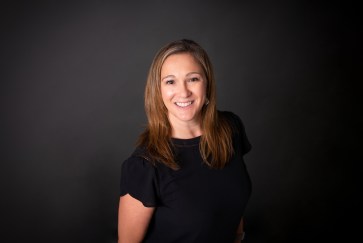
Today's workforce is filled with caregivers—parents, partners, and children navigating complex family responsibilities alongside their careers. In this panel, HR and benefits leaders will explore how offering comprehensive caregiver benefits—such as paid parental leave, eldercare support, child care assistance, and special needs resources—not only enhances employee well-being but also improves retention, productivity, and workplace culture.
We'll discuss real-world strategies for building inclusive, flexible policies that support diverse family structures and caregiving responsibilities. From reducing absenteeism to strengthening recruitment efforts, supporting caregivers is more than just the right thing to do—it's a smart investment.
Key takeaways:
- How caregiver benefits improve employee health, satisfaction, and loyalty
- The business case: reduced turnover, better performance, and a positive employer brand
- Approaches to supporting working parents, sandwich generation caregivers, and employees managing special needs care
- Strategies for creating inclusive, stigma-free caregiving policies
- How to align caregiving support with broader DEI and well-being initiatives
Transcription:
Transcripts are generated using a combination of speech recognition software and human transcribers, and may contain errors. Please check the corresponding audio for the authoritative record.
Alyssa Place (00:16):
So to start, what are some emerging benefit trends that benefit managers and leaders should have on their radar for 2026?
Jeff Wasco (00:23):
Yeah, at Shelter Point, I think about Next Gen benefits. It's not about the next hot new vogue benefit. I think there's going to be a real shift for employees deriving value from the benefits that they're already offered, and then thinking about how that actually happens. In 2026, we're going to see a shift towards benefits that are more connected based on data and driving awareness. So the benefits are ultimately valued by the employees that they're offered to from their employers. At Shelter Point, we're really focused on programs that simplify life for the employees while helping employers strengthen the retention of their valuable team members.
Alyssa Place (01:04):
And you mentioned employers can offer these benefits, but they need to know that they exist and how to use them. So how can technology facilitate greater engagement and create some of those educational opportunities around the benefits that are available?
Jeff Wasco (01:18):
Technology's completely changed how employees learn about and engage with benefits, which has been a real driver for us at Shelter Point. It's no longer just an enrollment platform or an app. What people really expect is real-time education and information to help them when they're trying to access and use benefits, whether that's short videos, text messaging, or AI chat, so things are just explained simpler. We're really focused on taking the time to make sure things that are often complex, like paid family leave, are turned into an experience that feels simple, transparent, and ultimately human.
Jennifer Sabatini Fraone (02:02):
Hello and welcome everyone to "Supporting Caregivers at Work: Building Benefits that Meet Real Life Needs." I'm Jennifer Sabatini Fraone, the Executive Director of the Boston College Center for Work and Family. This session will explore real-world strategies for creating inclusive, flexible policies that support diverse family structures and caregiving responsibilities. Just a bit of housekeeping before we begin: this virtual summit is SHRM certified for up to 2.75 PDCs. If you have questions about earning credits, please refer to the event website or send a message directly to Heather, who is supporting this session behind the scenes. Questions are welcome, but we'll hold responses until the end of the session. If you need assistance, please message Heather directly in the chat.
(03:11):
To set the context for our conversation today, I'm going to start with a quote. "Caregiving touches us all: either we have been caregivers, we are caregivers, we will be caregivers, or we will need caregivers." You may have heard that quote from former First Lady Rosalynn Carter; it speaks to the universality of the caregiver experience. Through our BC workforce roundtable, we have partnered with top companies to create more family-friendly and caregiver-supportive policies. I hope to normalize conversations about caregiving at work and expand the definition of who we see as caregivers. I'm excited to be joined by three colleagues: Susan French, Senior Manager of Benefits at Gilbane; Jennifer Vena, Vice President of Workforce Consulting at Bright Horizons; and Valerie Francis, Area Vice President at Gallagher. Let's start with Valerie today.
Valerie Francis (05:10):
Hi, good afternoon. My department is employee benefits, so I help employers of all sizes with their benefit strategy. Caregiving benefits is the hottest topic among my employers. We look to fill any gaps when it comes to the workforce and benefit solutions.
Jennifer Sabatini Fraone (05:51):
Susan, you can go next. Thank you.
Susan French (05:55):
Hello everyone. I'm the Senior Manager of Benefits at Gilbane, a construction management organization. Prior to this, I was at Ocean Spray Cranberries for about 16 years. Caregiving and the support we can give our employees and their family members is always top of mind. Trying to develop benefits for the whole person as well as their family is really key.
Jennifer Sabatini Fraone (06:37):
Great. And Jennifer next, please.
Jennifer Vena (06:42):
Thank you. I lead the consulting team at Bright Horizons. Our mission is to make a positive impact on the lives of children, parents, elders, our clients, and even pets every day. My team partners with employers to uncover caregiving needs and create a response strategy so that both organizations and employees can thrive. We deal with caregiving every day.
Jennifer Sabatini Fraone (07:21):
Thank you all. According to a recent Harvard study, seven in 10 employees are splitting their time between work and caring for others—whether a child, spouse, parent, or someone with special needs. This burden is driven by demographic shifts, including an aging population, the high cost of care, and a shortage of providers. The "sandwich generation" is growing; 23% of adults are caring for both a child and an adult, including 54% of working millennials. I myself have been a caregiver to children and elderly parents, so I know our panelists have personal connections here too. Valerie, could you share your journey?
Valerie Francis (09:46):
We are now empty nesters, but we have two daughters who had persistent chronic asthma. I was part of that sandwich because my father was 90 years old, and in 2014, we had to bring him to live with us. At that time, I was caring for him, my girls, and working.
Susan French (10:20):
I had been a caregiver to my stepmother. Addressing her medical issues, moving her from Florida to Maine to Massachusetts, and navigating assisted living with my sister was a major journey. After she passed in 2017, my husband and I took permanent custody of his five-year-old granddaughter. She's 16 now, but going from elder care to suddenly raising a child was quite the gamut.
Jennifer Vena (12:00):
I've been with Bright Horizons for almost four decades. I added a husband and three children along the way, and without high-quality, reliable care, I'm not sure I'd have had the same career longevity. Now, I am caring for my 89-year-old dad who is recovering from surgery. It's definitely different than raising children, and I really feel for employees trying to juggle both young children and elders at the same time.
Jennifer Sabatini Fraone (13:35):
This sets the stage for our conversation. Let's hear from our audience through a couple of quick poll questions. Heather, please launch the first poll.
(14:25):
Nearly half of the audience (42%) are currently caregivers, 26% were caregivers in the past, and about a third have never been a caregiver. For those currently caregiving, let's see who you are caring for in the second poll.
(16:16):
Pet owners are actually the largest group here, followed by those caring for aging parents, school-age children, and toddlers. Let's talk about how organizations are identifying these needs. Jennifer, how are companies tracking this?
Jennifer Vena (17:30):
We saw this increase during the pandemic when care was shut down. It has risen in prominence as a business-critical issue. To evaluate needs, we use assessment surveys and focus groups to gather quantitative and qualitative data. Focus groups are my favorite because employees often suggest minor changes—like moving an 8:00 AM meeting to 9:00 AM—that make a massive difference. You can also listen through Employee Resource Groups (ERGs).
Jennifer Sabatini Fraone (19:35):
One major concern is caregiver burnout. Studies show up to 60% of caregivers screen positive for anxiety or depression. Jennifer, what factors contribute to this, and how can wellbeing strategies help?
Jennifer Vena (20:48):
Six in 10 parents say their work suffers when their personal life becomes overwhelming. A key cause is the lack of supply of affordable, quality care. This forces caregivers to piecemeal care together, which is stressful. Our study showed parents use up to two weeks of PTO each year just to solve care challenges instead of using it to rejuvenate. Providing supports like backup care reduces this stress significantly.
Valerie Francis (23:22):
To build on that, caregiving takes a physical toll. Most caregivers neglect their own health and skip preventive care. You can't be a high-performing employee if you aren't feeling your best and are experiencing role overload.
Jennifer Sabatini Fraone (24:59):
Susan, what benefits have been most impactful at Gilbane, and where is the ROI?
Susan French (25:55):
At Gilbane, we have a "Gilbane Cares" philosophy. Every meeting starts with a "Cares moment" to demonstrate this from the top down. We invested in an enhanced mental health solution with Spring Health. Combined with caregiving support, it's been very well received. Peer groups and ERGs are also incredibly valuable for navigating these complexities.
Valerie Francis (27:46):
I didn't even realize I was a "caregiver" for my dad until he moved in. You don't know what you don't know. Robust EAP programs are essential, as are financial and legal assistance. When caring for a loved one, you need to navigate Power of Attorney, HIPAA, and medical coordination. Time off via state leave means nothing if you're just spinning your wheels trying to figure out how to get the actual care.
Jennifer Vena (30:38):
To make the business case, you must understand the organization's goals—whether it's productivity, attendance, or turnover. For example, our data shows backup care users have half the turnover rate of non-users. In one healthcare system, there was zero turnover among nurses who used backup care. These benefits are "sticky"; they make people more committed and productive.
Jennifer Sabatini Fraone (34:49):
There's a lot happening in the tech space. Valerie, have you seen tech solutions that make a difference?
Valerie Francis (35:39):
There are mental health AI tools that provide "nudges" to help caregivers follow through on self-care. There are also apps to coordinate care, scheduling doctor's appointments and tracking prescriptions. This allows you to be proactive rather than reactive.
Jennifer Vena (37:08):
We've implemented "Instant Book" for backup care. It's like Open Table for childcare. You can see a center with an opening and book it immediately. It removes the stress of searching and calling multiple providers.
Susan French (38:31):
I've seen platforms that include siblings and doctors so everyone gets the same information. Mental health providers are also adding modules for neurodiversity, grief, and loss, creating one-stop shops for care management.
Jennifer Sabatini Fraone (40:30):
We have an audience question: what support is most appreciated by remote workers?
Susan French (40:30):
Virtual ERG support is helpful since remote workers are spread out. Digital tech solutions are also great because they don't require being physically onsite to access.
Valerie Francis (41:04):
Remote workers still have the same demands. They need access to behavioral health and legal aid. The biggest part is education—sharing information through a robust intranet or peer groups so they know what they are eligible for.
Jennifer Sabatini Fraone (41:54):
As we wrap up, what are the unmet needs of the future?
Jennifer Vena (42:14):
Caregivers need real solutions. Hybrid and remote work aren't the "end-all" solution; you still can't work effectively with a one-year-old at home without care. If we don't solve the actual care gap, people end up working at night to make up for the day, which leads straight to burnout.
Jennifer Sabatini Fraone (43:18):
Thank you to my panelists, Jennifer, Valerie, and Susan. This was a valuable conversation. I'll turn it over to Alyssa Place for closing remarks.
Alyssa Place (44:17):
Thank you all for joining. A reminder that this event is SHRM certified. Please visit benefitnews.com for more coverage. Enjoy the rest of your afternoon.