How the coronavirus pandemic is shaping the future of work
From remote work and social distancing to telehealth and automation, here’s what the post-coronavirus workplace will look like.


Follow Us
© 2026 Arizent. All rights reserved.

From remote work and social distancing to telehealth and automation, here’s what the post-coronavirus workplace will look like.
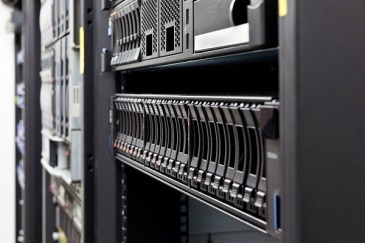
The centralization of more corporate data in the cloud is also precisely what’s needed for companies to develop AI capabilities from better predictive algorithms to increased robotic automation.
Employees are expensing work equipment and health and hygiene supplies, leaving businesses the task of deciding whether to pick up the bill.

Machine learning will help companies hire more efficiently and safely as they begin to look toward the future post-pandemic.


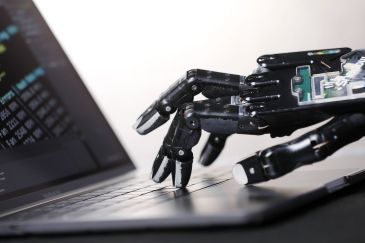
Fears of a rapid, massive displacement of humans by robots haven’t yet been realized, but machines have been taking over human tasks for centuries, and the pandemic seems likely to accelerate this process.

With the new software, employers can analyze work at a task level, identify what work can be performed remotely and better adapt to changing business needs.
Microsoft so far has thrived during the Covid-19 pandemic because of its focus on cloud offerings, like Office productivity tools, Azure services and subscription programs that are less vulnerable to spending slumps.

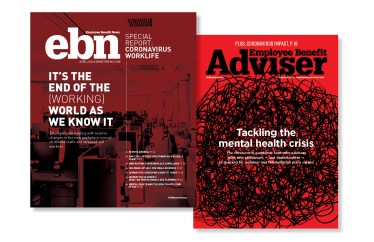
For advisers and their clients, the crisis has ushered in a new era for mental health, caregiving and telemedicine platforms
Employing AI technology for the repetitive parts of standard HR tasks like sourcing, screening and nurturing candidates will increase and grow into more sophisticated tasks.

SmartRecruiters integrates its cloud-based talent acquisition suite with Checkr’s AI and machine learning tools for quicker and more accurate background checks and drug screenings.


Greater precision speeds the vetting of candidates, removes menial tasks and eliminates biases, resulting in a more diversified and qualified labor force.
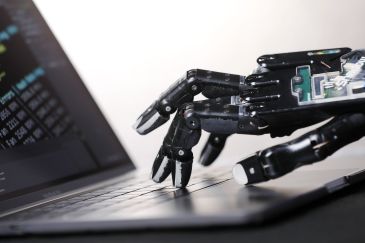
Automation technology can relieve the stress workers experience from bigger workloads as a result of the human labor shortage, and drive enterprise-wide benefits in the process.
Artificial intelligence can ease the stress of picking benefits and provide personalized options for a diverse workplace.
Insurers will use AI across different channels – in context – to deliver experiences that make customers happy.
Banks are so caught up in the newest technology trends that they lose sight of the need to build a talented workforce and a purpose-driven organization.

Technology can help protect employees’ health as well as safeguard business interests from virus-related impact and loss.
Wealth management’s challenge will be innovating and adapting to technology to provide Gen Z with the convenience of a single platform that meets all its needs.

Now more than ever, organizations realize that to manage their unprecedented data growth, a solid data strategy must be front and center for them to survive and thrive.
It is an exciting time for IT. But also an exceptionally unsettled one, as rapid evolution is the norm and change that will shape a business's destiny is coming from all directions.
Data analytics will become more embedded in day-to-day processes specifically to provide analytics and AI insights within the flow of business.