Addicted: How employers are confronting the U.S. opioid crisis
Since COVID-19 hit the U.S., companies are seeing a spike in drug and alcohol overdoses during stay-at-home orders. What can employers do to support struggling employees?

Follow Us
© 2026 Arizent. All rights reserved.

Since COVID-19 hit the U.S., companies are seeing a spike in drug and alcohol overdoses during stay-at-home orders. What can employers do to support struggling employees?
It is critically important that leaders recognize and find creative ways to overcome the not-so-virtual burnout to engage effectively with colleagues and customers, while also remaining productive.
More than 60% of employees plan to work during the holidays because of COVID-19 anxieties, which will lead to burnout.


During times of social change, there is the potential for people to be exposed to events that register in a person’s brain and body as trauma. The negative affects can accumulate and have an impact on a person's work and well-being.

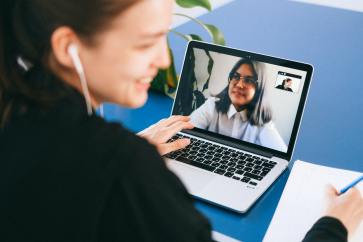
The pandemic forced many companies to allow employees to work from home, which created new challenges for employers and their workforce.
Fortunately, there’s a silver lining to this year’s unprecedented demand for mental healthcare: increased awareness and acceptance of mental health issues, even in the workplace. But, there’s more we can do.

More than half of employees report feeling lonely while working from home, which impacts productivity, job performance and retention.


COVID-19 has led more employees to engage in dangerous drug and alcohol abuse. With a cost of $740 billion annually in lost productivity and healthcare costs, how can employers intervene before it’s too late?

Being distracted by everything going on can lead to an uptick in worksite accidents and other risks, as well as reduced productivity and focus.

It’s time for employers to step up and prioritize the mental well-being of female employees, before the added responsibilities of COVID-19 drive women out of the workforce.

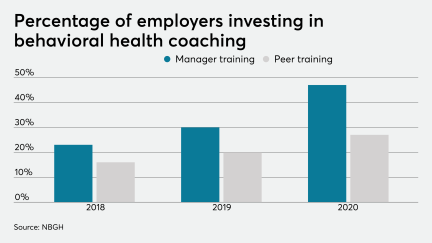
When it comes to mental health issues, employers can bear a disproportionate share of the costs, many of which are related to absenteeism in the workplace.
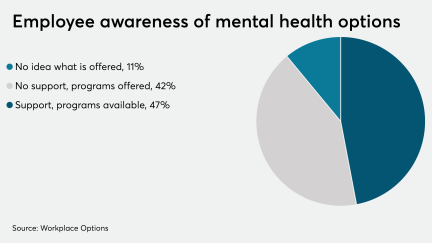
An EAP program gives employers advice on benefits and management strategies to help make the most of this holiday season.

Seventy percent of Black Americans do not receive mental health treatment. To combat stressors unique to this workplace population, employers must address discrepancies in their employee benefits.

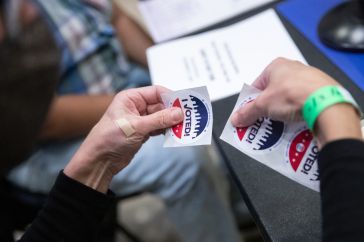
With the presidential election now decided, managers can model empathy and boundary setting to get employees back on track and refocused at work.
Many parents trying to work from home may be interacting less with their children, not more.

“The urgency has never been greater than it is now to provide holistic mental health services,” says Joe Grasso, clinical director of partnerships at Lyra Health.

The professional social media platform tailored classes to help address mental health issues resulting from the pandemic.

Health professionals share ways in which average, harried, news-obsessed readers can stay sane on and after Nov. 3., with wellness tips to handle whatever comes next.
Digital mental health services are key tools in addressing and supporting the wellbeing of employees in a way that promotes self-care, increases engagement and promises reliable, remote and private accessibility.

Workplace harassment has moved from the office into the virtual world, leaving employees vulnerable to new harassment avenues.