Employees, employers differ on top workplace stressors
The disconnect is leading to treatments that don’t get to the root of the cause, new research finds.


Follow Us
© 2026 Arizent. All rights reserved.

The disconnect is leading to treatments that don’t get to the root of the cause, new research finds.
Helping employees with disabilities stay at work is easier than you might think.

If you don’t want to lose your top talent, here’s what you need to offer them.

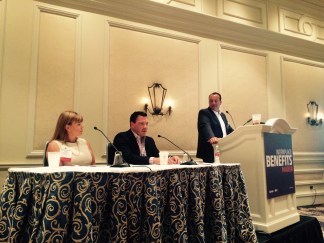
More decision-support, focus on millennials and a ‘surgical approach’ will bring these platforms into the next phase, say panelists at EBA’s Workplace Benefits Mania.

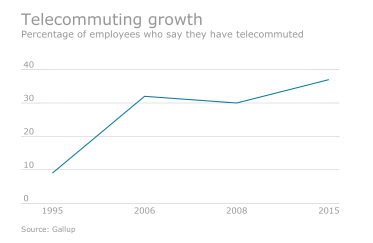
The share of workers who telecommute, at least some of the time, has grown from 19% in 2003 to 24% last year, according to new BLS numbers.
Obama's Fair Pay and Safe Workplaces final rule is currently on track for publication, possibly as soon as August 2016, and is likely to be implemented before the end of the year, absent intervention from the legislature or judiciary.

In the pursuit of reduced workplace anxiety, firms are weighing just how to deliver corporate-based serenity.


Employers and advisers who still hew to a paper-based processing system incur costly errors, wasted staff time and poor healthcare decisions.

Employers are embracing the workplace perk for several reasons, including employee retention, says Tuition.io founder and CEO Brendon McQueen.
An innovative program has employees shedding pounds without giving up their favorite food.

Using incentives and teamwork, Bazaarvoice breathed new life into its workforce.
An upcoming compliance date for new SEC rules will affect plan sponsors; here’s what they need to know.
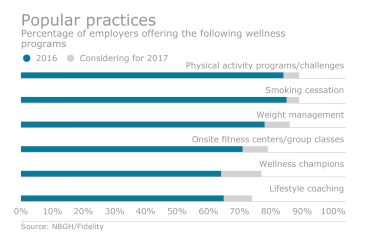
The agency’s Deputy Associate Chief Counsel responds to questions concerning three different types of wellness incentives and their tax status.


hCentive’s CEO Sanjay Singh discusses his own frustrations as an employer and how multi-carrier benefit platforms can help mitigate rising costs and limited healthplan options.

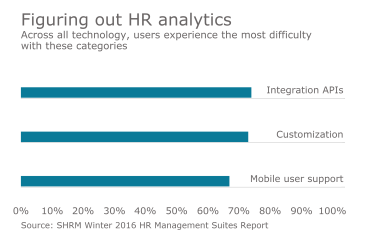
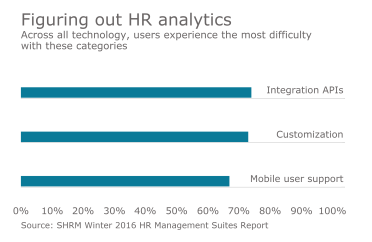
HR administrators are using data to identify the likelihood of future outcomes, based on historical staff information.
Helping employees with disabilities stay at work is easier than you might think.
Employers are lowering their own premiums through coinsurance and high deductibles. But efforts to help workers control their spending through smarter healthcare decisions have met with less success.

Employers who still hew to a paper-based processing system incur costly errors, wasted staff time and poor healthcare decisions.
It is increasingly the adviser’s job to counsel employers on a broad range of workforce management topics, such as reaching career goals, according to ADP’s Aldor Delp.


HR administrators are using data to identify the likelihood of future outcomes, based on historical staff information.