Report Understanding workforce stress and the path to well-being
When leaders and managers should understand the impact of these events on employees, they can take steps to better support them.
Follow Us
© 2026 Arizent. All rights reserved.

When leaders and managers should understand the impact of these events on employees, they can take steps to better support them.
The balance between stress and sense of purpose is imperative to caregivers' wellbeing, but they also need to feel supported by their employer with proper benefits and resources.

The future of employee wellness means that employers must balance strategies that combine meaningful new health and financial benefits.

Businesses are on an endless cycle of change, and adaptability is required to succeed. But that's creating a better future.


Scott Domann, Calm’s chief people officer, encourages leaders to stay optimistic — but realistic.

To better help workers manage stress, Paylocity CHRO Cheryl Johnson advises that employers better manage workloads and expectations, and keep communication transparent.

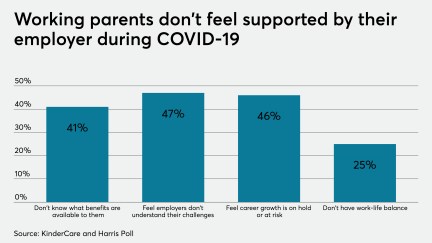
Forty-one percent of parents are not aware of the benefits their employer offers them to help with child care and other family support.

Virtual communication is becoming more hostile during the pandemic, as employees deal with stress and let their guard down online.

It’s time for employers to step up and prioritize the mental well-being of female employees, before the added responsibilities of COVID-19 drive women out of the workforce.

“The urgency has never been greater than it is now to provide holistic mental health services,” says Joe Grasso, clinical director of partnerships at Lyra Health.

Health professionals share ways in which average, harried, news-obsessed readers can stay sane on and after Nov. 3., with wellness tips to handle whatever comes next.

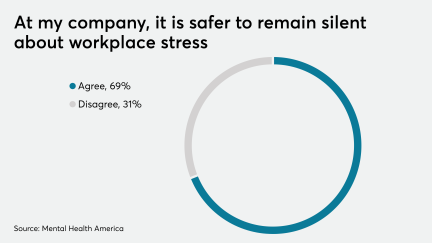
Despite the risks of ignoring burnout in the workplace, 56% said their HR departments did not encourage conversations about burnout.


More than 60% of employees say that they are experiencing greater stress than before the COVID-19 pandemic, according to MetLife. Employers must step up their support with flexible work hours, financial planning benefits and mental health resources.

Employers should embrace their critical role in stemming productivity loss. Start by taking a fresh look at your benefit packages.
Increasing participant offerings and promoting engagement could be a powerful step toward helping participants achieve their financial goals.

The global economy loses $1 trillion a year in productivity as a result of depression and anxiety but those seeking treatment often face stigmas to getting help.
The holidays can wreak havoc on office productivity, but there are ways to get the workforce back on track.


Employers can help their workers relax and enjoy the holiday season with important benefits and perks.

Allowing employees some leisure time during work travel is a great retention strategy, one CEO says.

University professor and hair stylist are ranked as some of the less trying jobs, according to a CareerCast survey.