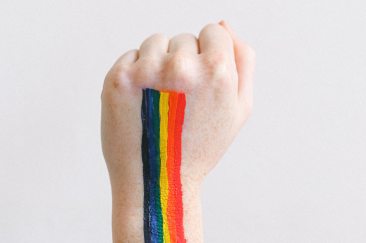
Is your workplace LGBTQ-inclusive? You may want to ask your employees
Despite an increase in DEI initiatives, 46% of employees have yet to come out to their colleagues and friends at work.
Follow Us
© 2026 Arizent. All rights reserved.

Despite an increase in DEI initiatives, 46% of employees have yet to come out to their colleagues and friends at work.
UKG is partnering with the National Women’s Soccer League to address pay inequity at the 2023 NWSL Challenge Cup.


Kevin Fritz, a corporate defense attorney, reveals how he moved through the world of higher education and law, despite only having the use of one finger.
WalletHub ranked the best and worst states for military personnel to retire, based on healthcare, economic environment and overall quality of life.

On average, queer employees rate their companies 6% lower than non-LGBTQ employees.

As more states and cities implement pay transparency laws, it’s not the only step employers need to take to ensure workers are being paid fairly.

Businesses benefit when they create a culture that embraces opposing views, involving middle management and board members in crafting DEI strategies.


Leaders from Lighthouse for the Blind and the National Industries for the Blind weigh in on the importance of making the workplace accessible to the visually impaired.

Dr. Jane Frederick, a reproductive endocrinologist and infertility specialist, describes the egg-freezing process and how employers can expand access to this procedure.

Here are the 10 best and worst states for working moms based on child care accessibility, professional opportunities and work-life balance.

In this week’s top stories, employers are faced with some important questions around how they will deal with changes to legislation.
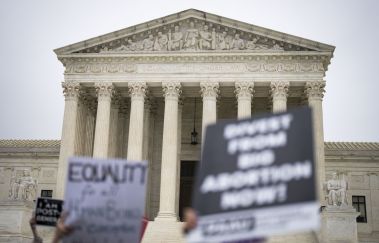
Monifa Bandele, chief strategy officer at MomsRising, explains why the decision to overturn Roe v. Wade will have far-reaching implications for minorities in America.
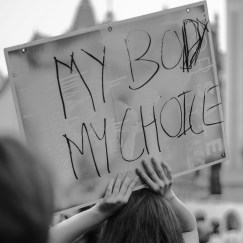
Access to abortion is credited with expanding women’s roles in economies and labor markets around the world.
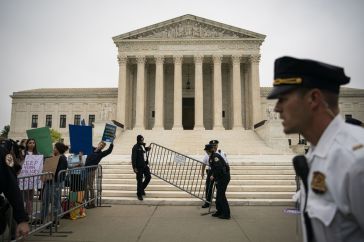
Although women hold half of all jobs in the U.S. and more than half of the college degrees, they only fill 26.7% of tech-related jobs.

Fernanda Anzek, managing director of HR and DEI services at Insperity, explains how ban-the-box laws are trying to remove biases in the hiring process.

With abortion rights in the U.S. in danger, employers are taking measures to extend support and access to healthcare.

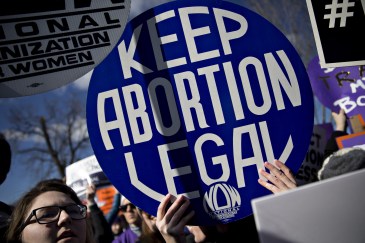
Diana Vicezar, founder of Mapis, explains the challenges international students face when trying to find work with U.S. employers.
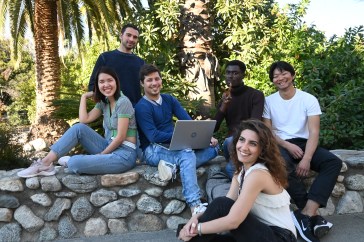
The solution isn’t always to dismantle a faulty system. Sometimes it’s to lend a helping hand.
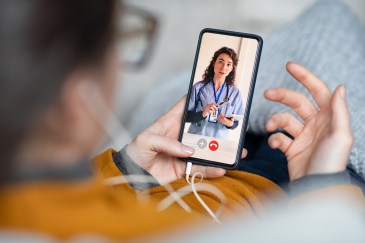
Nearly half of U.S. workers say they have some form of an alternative credential, but only a third of HR teams are prepared to recognize them.

Women currently make up 28.8% of the tech workforce, a figure that is expected to rise in the years ahead.