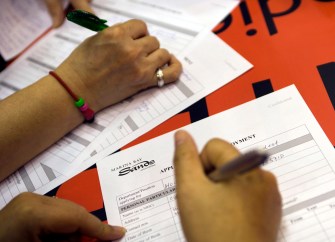
U.S. jobs see smallest gain in seven months amid delta spread
The deceleration in hiring likely reflects both growing fears about the rapidly spreading delta variant of COVID-19 and difficulties filling vacant positions.

Follow Us
© 2026 Arizent. All rights reserved.

The deceleration in hiring likely reflects both growing fears about the rapidly spreading delta variant of COVID-19 and difficulties filling vacant positions.
It took a pandemic for America’s army of gig workers to win access to some of the social protections that regular employees enjoy. Now they’re about to lose it again.

Sixty-nine percent of working mothers plan to remain out of work to care for their children, according to a survey by TopResume.


As gig and contingent workers increase, PRO Unlimited seeks to give companies the flexibility to provide these workers the same benefits as full-time employees

"We call it the “Donut Effect.” The places losing the most people are centers of big cities," says Nicholas Bloom, a Stanford University economist.
Unlike past recessions, millions abruptly left the workforce as soon as the pandemic began and are still not seeking employment.

Difficulty attracting workers is slowing momentum in the labor market.

The job market is strengthening as employers look to fill positions left empty by the pandemic.
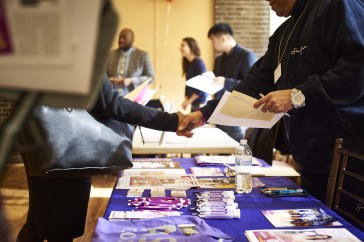
The pandemic has pushed out older employees and is deepening inequality as lower income workers feel the brunt of the crisis.
The decrease in claims shows the labor market continues to improve as more Americans get vaccinated.
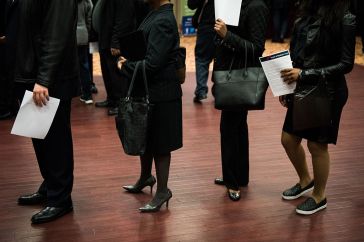
The data show a jobs recession that was hardest on women without college degrees and Black and Hispanic women, and was pretty tough on men without college degrees and Hispanic men too.
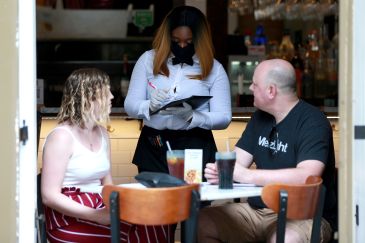
Pandemic job losses have disproportionately impacted minorities.

Many economists expect to see job prospects, and economic growth, improve in the coming months as vaccinations pick up and virus concerns ease further.

Remote work has made it possible for full-time employees to have a side gig during the pandemic.


Treasury Secretary Janet Yellen said that low-wage earners, minorities and women are suffering the most and could face “permanent” damage from a prolonged slowdown.

In the coming months, as more Americans get inoculated and virus cases fall, economic activity is poised to resume and job cuts may decline further.
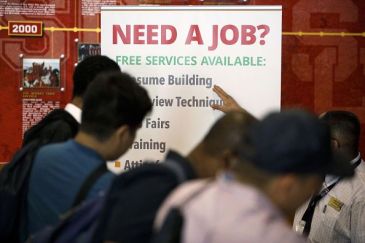
More than one-third of parents — mostly women — have yet to return to jobs they lost, largely because there’s no one to look after their kids.

Instacart plans to terminate about 1,900 employees’ jobs, including the only unionized positions in the U.S., representing a fulsome embrace of the gig economy.

Experts see powerful employment gains over the next three years that evade the curse of past recessions. If they’re right, millions of Americans will leap back into the workforce as soon as vaccines against the coronavirus roll out.

Prolonged unemployment harms physical and mental well-being, traps workers in poverty and increases family stress, according to studies.