Free LinkedIn classes help employees upskill
Employees can learn professional development skills that can lead to promotions and create more productive group dynamics.

Follow Us
© 2026 Arizent. All rights reserved.

Employees can learn professional development skills that can lead to promotions and create more productive group dynamics.
Only half of caregivers report that their supervisors are aware of their caregiving responsibilities.
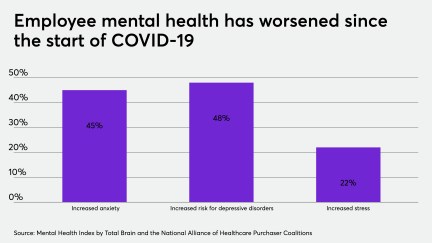
Holiday stress, political uncertainty and COVID-related financial challenges all contributed to the decrease in employee well-being at the end of 2020.

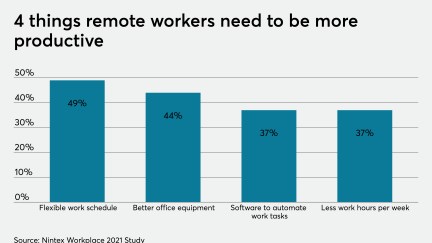
Employers are recognizing that a hybrid work model will keep employees happy and productive during the pandemic and beyond.
While there have been many advancements made towards ending the pandemic, morale should remain a top priority for HR professionals and team leaders alike.

Employers should be looking for full-scope solutions to support employee well-being, says Goodpath CEO Bill Gianoukos.

The more organizations adapt to a remote workforce and introduce new technologies to help employees stay connected, the more opportunities are created for growth, development and success moving forward.
Since COVID-19 hit the U.S., companies are seeing a spike in drug and alcohol overdoses during stay-at-home orders. What can employers do to support struggling employees?

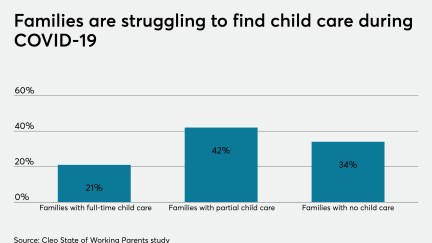
Working parents need more child care solutions in 2021. One benefit company is making on-demand virtual child care an accessible option.
From diversity efforts to greater workplace flexibility, employees have high expectations for what their employer has to offer in the new year.
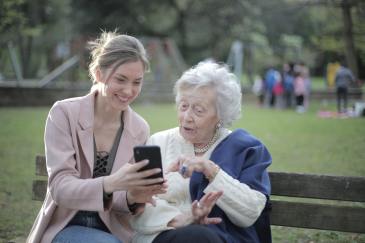
Papa helps employee caregivers by providing their loved one with companionship and help around the house — even during quarantine.
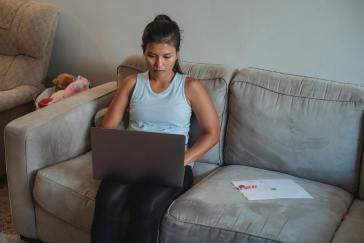
With remote work here to stay, FlexJobs released the most in-demand roles for stay-at-home job seekers, in fields like marketing, HR and tech.
Corporate catering provider ZeroCater launched a new personalized digital cafeteria to provide healthy meal options for remote employees and other essential workers.

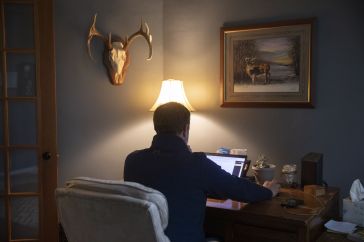
A lot more work will be done remotely in the future than was the case before the pandemic, but there may be some potential conflicts over how exactly that will play out.
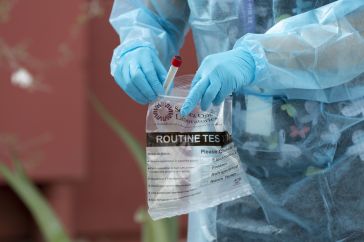
With COVID-19 infections on the rise, at-home testing is an accessible way to help employees stay safe and productive.
More than half of U.S. employees currently working from home say they’d like to keep their remote arrangements beyond the pandemic, according to a Pew Research Center survey.

The pandemic has shifted employees’ desires toward more holistic well-being support, including help managing their emotional, social and financial health.

Cook has been adamant publicly about his desire for staff to ultimately return to the office. “There’s no replacement for face-to-face collaboration, but we have also learned a great deal about how we can get our work done outside of the office without sacrificing productivity or results.”
The New York-based bank, which has about 200,000 employees worldwide, wants to see how productivity changes over longer stretches of time and whether creativity suffers before deciding how much working from home to allow.

Being distracted by everything going on can lead to an uptick in worksite accidents and other risks, as well as reduced productivity and focus.