Virtual healthcare gains broader acceptance
The usage of telemedicine is growing, with almost two thirds of organizations offering or planning to offer such a service by 2018.


Follow Us
© 2026 Arizent. All rights reserved.

The usage of telemedicine is growing, with almost two thirds of organizations offering or planning to offer such a service by 2018.
Excessive and expensive treatment is at the core of the healthcare cost crisis, says Brian Klepper.

Offering a plan that meets the minimum value standard and the federal poverty line safe harbor to everyone working 30 hours or more would eliminate the headaches associated with the employer mandate. So why aren’t more employers doing it?
Other countries and some innovative firms here consistently deliver equal or better quality care at dramatically lower cost, betraying the idea that conventional U.S. healthcare is superior or even appropriate.
How advisers can assist their clients with the implementation of the required preventative service.

An initial consultation with a registered dietitian can cost as much as $200. Multiply this by the growing number of overweight and at-risk Americans, and employers could face a considerable cost increase.
Price comparison tools available to the public don’t make it easy enough for workers to make informed decisions.
The number of employers offering a healthy living/incentive program grew in 2015, and is one of several trends to watch as the year 2016 unfolds, analysts say.


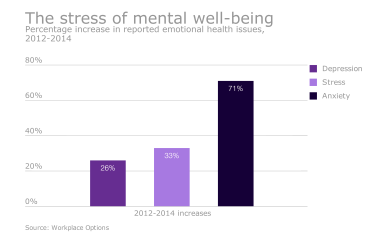
Workers with serious mental and emotional health concerns are an increasing concern for advisers’ employer clients, new research shows.


The number of workers reporting serious mental and emotional health concerns is rising at an alarming rate, according to an analysis of global EAP data.
They might, if they had better access to pricing information in the decision-making process, says Frenkel Benefits’ Craig Hasday.
As the number of consumer-driven health plans continues to increase, employers are looking to voluntary benefits to help offset potential gaps in coverage.


Employees have more responsibility than ever for both the cost and control of their health, yet they are getting confusing guidance about how frequently they should be assessing their health risk.

From boosting wellness program participation to closing the retirement savings gap and more, consultants at Aon Hewitt reveal eight trends benefit managers should keep an eye out for in 2016.
Dependent eligibility verification audits are sometimes tough to communicate to employees, but as employers look for financial savings in their health plans, many are contemplating them.
Many employees will soon be receiving new forms that are critical to their ability to file their tax returns and to their employers ability to accurately fulfill their own Affordable Care Act reporting requirements.
The Affordable Care Act, new ways to fill the sales pipeline and Zenefits dominated EBAs BeAdvised blog commentary this year. The top 10 most-read blogs of 2015 detail the growing number of ACA regulations and reporting requirements, explain why advisers dont accurately understand the threat behind a tech-focused brokerage and highlight simple-yet-effective ways producers can increase existing client revenue and get prospects to open the door.

Throughout the year, a number of guest bloggers have provided valuable insights to EBN readers on the complex changes and issues affecting healthcare, retirement and other benefits programs.
The U.S. Senate voted Thursday to repeal the core of the Affordable Care Act, bringing Congress closer to sending legislation to President Barack Obama for the first time that would dismantle his signature domestic achievement.
Healthcare coverage is a significant piece of your employees overall financial package. If your plan doesnt appropriately meet their needs, it can be a source of stress for them throughout the year.