US, UK announce deal on pharmaceutical tariffs and drug pricing
The U.S. agreed to exempt U.K. pharmaceutical products from tariffs.

Follow Us
© 2026 Arizent. All rights reserved.

The U.S. agreed to exempt U.K. pharmaceutical products from tariffs.
Companies with 10 or more workers would have to contribute at least 50 cents per hour worked to each employee's retirement account.

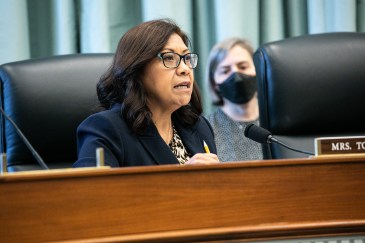
The longest government shutdown in U.S. history revealed how unprepared employees are for emergencies.


The industry asked for and received a delay in the rule from the IRS in 2023. Now that it's going into effect, here are the key implications for sponsors and savers.


Employees can now submit documentation of delayed SNAP benefits when requesting a grant from the emergency relief platform.


Healthcare and frontline workers are feeling stress about the future of their patients' benefits, as well as their own.

Organizations can't prevent legislative consequences and repercussions, but they can provide much needed support to those impacted.
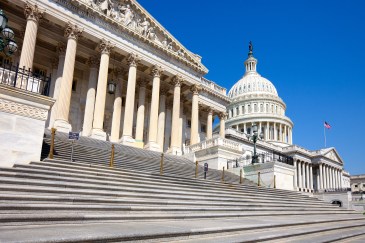
The Congressional Budget Office estimates that about 750,000 employees will be furloughed at a cost per day of $400 million in lost compensation.
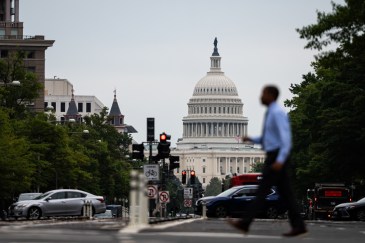
President Donald Trump framed the new six-figure fee as part of his effort to protect American jobs and national security.

A two-phased strategy can help create cost-effective, employee-focused health plans while addressing unnecessary claims costs.

With upcoming changes due to the OBBBA, employers may find these plans to be financially beneficial and keep healthy employees from dropping coverage.

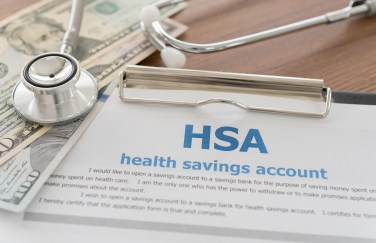
Telehealth integration, a broader playing field for HSA contributions and a shot in the arm for direct primary care lead the way among several positive legislative changes.

Trump's One Big Beautiful Bill Act opened HSA access to millions, but big gaps remain. Here's what financial advisors need to know.
From healthcare to education to retirement, here are some of the major ways this new legislation may affect your offerings and the open enrollment process itself.


Leaders should brace for increased enrollment and a higher demand for benefits in the wake of new legislation.

Amid heightened political and social divides, cultivating a civil and respectful workplace is still possible — and necessary to business success.

A quiet but important shift in health policy just became permanent, and it's causing employers to rethink benefit plans.

Business leaders looking to improve management skills or get up to speed on new technology have shelled out for expensive in-person and online courses.

The new law could impair young talent's ability to save for retirement, making it leaders' responsibility to act proactively.

By blocking legitimate data-sharing between employers and carriers, underwriters are being pushed into murkier and more dangerous waters.