Benefits Think More part-time employees will soon have access to retirement benefits
A new rule will allow long-term, part-time employees to contribute to retirement plans by 2025.

Barbara Van Zomeren
Ascensus
Follow Us
© 2026 Arizent. All rights reserved.

A new rule will allow long-term, part-time employees to contribute to retirement plans by 2025.
Dr. Lisa Becht, double board-certified fertility specialist at HRC Fertility, breaks down the implications of California's new leave policy.


The keys to success lie in improved price postings, meaningful action at the state level and grassroots involvement to influence policy.

Michael Schmidt, labor and employment attorney at Cozen O'Connor, breaks down how employers can throw safe, compliant holiday parties.

Recently, retaliation has been claimed when employees incurred significant medical expenses that were to be paid by their employers.

The CEO of Blaze.Tech explains the ins and outs of implementing successful tech solutions without putting patient data at risk.


HUB International's compliance officers reveal how AI is impacting the HR space and how companies can respond.

If the DOL's proposal moves forward, salaried workers who make $55,000 or less a year will become eligible for overtime.

As many as 80% of short-term health plan enrollees say that affordable premiums are more important to them than comprehensive health benefits.

Open-enrollment season is also a perfect opportunity to prepare for legal changes, employee-facing reminders and departmental goals.

Roth contribution options and pension-linked emergency savings accounts, among other promising provisions, will require extensive clarification.
Brokers can access a step-by-step strategy to prepare for potential state long-term care legislation:
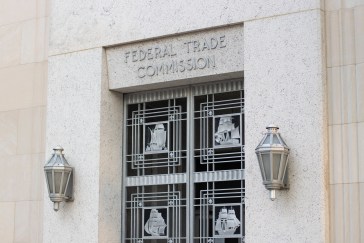
Mike Jones, partner at Morgan Lewis, explains the pros and cons of the FTC's non-compete ban.
Jonathan Kestenbaum, managing director of tech strategy at AMS, believes employers shouldn't run from New York City's Local Law 144.

John Ho, OSHA chair at Cozen O'Connor, shares how employers can show up for employees despite limited federal guidance.

Businesses are pushing for exceptions they say will protect them when employees decide to exit.

Twitter has settled with a former employee who U.S. labor board prosecutors concluded was illegally punished for protesting its return-to-office mandate.

In a unanimous decision, justices said that employers may have to bear some costs to accommodate the religious needs of workers.
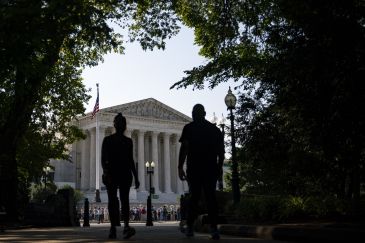
Seth Turner, co-founder of AbsenceSoft, explains how businesses can be compliant with the PWFA.

For the growing number of gig workers, taking the time to understand how to protect themselves financially can make or break their business.