Is working from home forever the new reality? It is for these companies
Tech companies are leading the way on allowing employees to work from home permanently. The model is starting to take hold in other industries as well.

Follow Us
© 2026 Arizent. All rights reserved.

Tech companies are leading the way on allowing employees to work from home permanently. The model is starting to take hold in other industries as well.
The three-month lockdown served as a catalyzer for testing out a plan to allow its employees in Spain total flexibility on whether they work in the office or from home from Sept. 1.

Ultimately, offices are more than just a place to do business — like the cities that surround them, they are meeting points for social and cultural exchanges.

It’s more important than ever to ensure the team is engaged in their piece that rolls up to the overall success of the organization.

Leading through this crisis requires empathy for what people are going through now and understanding how living through this crisis will shape people’s expectations around work and non-work lives.

The scramble to adjust to remote work has changed not only how companies are getting through this unprecedented crisis, but also how they're thinking about post-pandemic life.

Workplace strategies and benefits need to support employees during a crisis that address the whole person — financial, connectedness, and physical and behavioral health.

As states around the country attempt to restart their economies, lack of child care will continue to keep some people — mostly women — from getting back to work.

As some executives extol its virtues, other tech leaders aren’t so sure, opening a growing divide inside the industry over the future of work.

As many traditional benefits including gym memberships and commuter stipends are no longer available to employees, companies need to change their benefit offerings as well.


A Mercer study highlights how essential workers are reacting to coronavirus, and what nonessential industries can expect going forward.

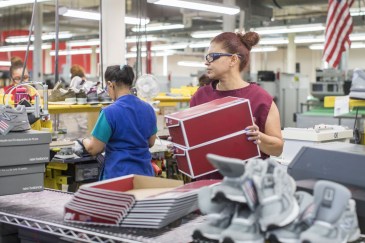
“The mindset has shifted in terms of how we need to be able to lead and support a virtual workforce,” says Edward Jones CHRO Kristin Johnson.


The pandemic is an opportunity for companies to adjust their communication strategies and business values to connect with employees.

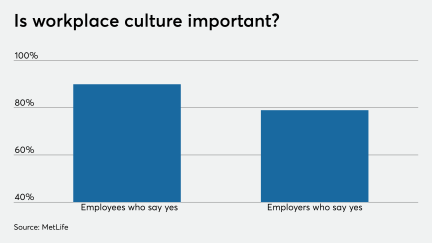
A new Arizent survey highlights tactics companies are using to cope with coronavirus challenges.

Fears of a rapid, massive displacement of humans by robots haven’t yet been realized, but machines have been taking over human tasks for centuries, and the pandemic seems likely to accelerate this process.

Postmates began developing autonomous delivery robots in 2017, and now fleet operators have transitioned to operating them from home.

Experts from MetLife help employers understand how recent coronavirus legislation will affect leave and remote work policies after the pandemic.

A recent Gallup poll of at-home workers in the U.S. found more than half wanted to continue to work remotely as much as possible.

While some employees have increased their productivity through remote work, others may be negatively affected due to a lack of physical oversight by supervisors.

Microsoft so far has thrived during the Covid-19 pandemic because of its focus on cloud offerings, like Office productivity tools, Azure services and subscription programs that are less vulnerable to spending slumps.