The return to work: employers and employees face off
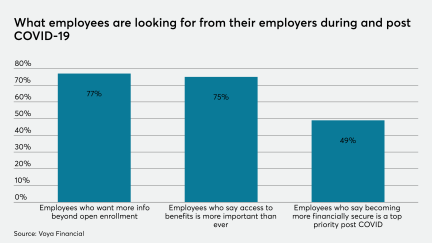
Over a quarter of employers are still planning for a full-time, in-person return from employees despite employee apprehension.


Follow Us
© 2026 Arizent. All rights reserved.

Over a quarter of employers are still planning for a full-time, in-person return from employees despite employee apprehension.
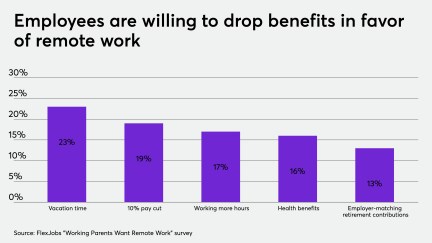
Employees are willing to go to great lengths to make going fully remote possible — including sacrificing their benefits.
The pandemic may have irreversibly changed hiring, but it hasn’t slowed it down.

Vaccines loom large as U.S. companies dial up plans to bring more workers back to the office and cities ease COVID-19 restrictions.
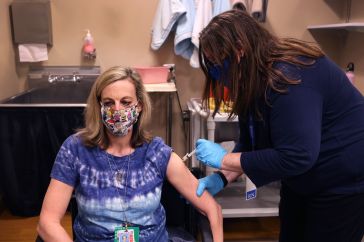
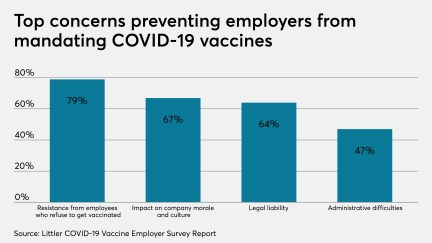
Most non-union companies have a good deal of latitude to impose vaccination requirements, because in almost all U.S. states employment is presumed to be “at will.”

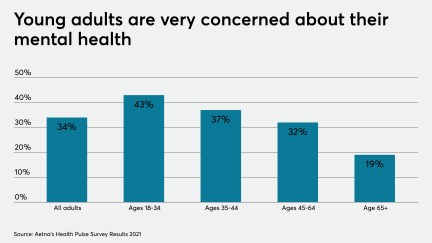
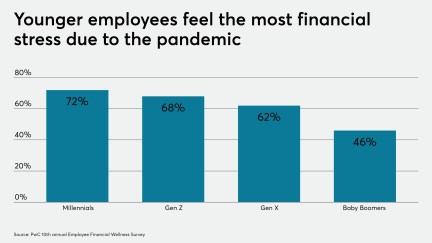
Adolescents and young adults may be getting sick at lower rates, but they’re still deeply affected by the impact of current events.
Employers increasingly are expected to play a key role in getting U.S. adults inoculated, with the pace of vaccinations in the U.S. starting to slow.

Employers are touting measures to curtail the risk of infection with COVID-19, but not every action is equally effective, according to experts. Some of the most widely adopted steps may not help much at all.

Seventy-two percent of employees say they would switch jobs to another company that cares more about their financial health.

Companies are starting to pay workers to get vaccinated, trying to encourage the hesitant or those who just haven’t had a chance to get the jab.
Employers risk creating an unhealthy working culture in the post-pandemic world by embracing remote work without true flexibility.

The lender is encouraging employees to get vaccinated and allowing some locations to reopen if half of staff there are inoculated.

Employees and employers alike are entering uncharted recruiting territory.

Under employment law, businesses can mandate employees get a COVID vaccine, but most are looking instead toward incentive programs.
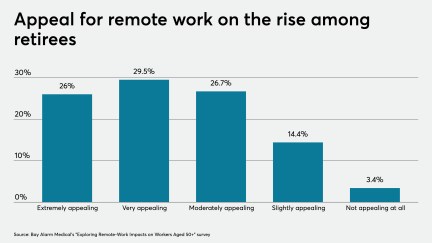
Whether it be out of pandemic boredom or financial necessity, companies may need to factor in older workers in their recruiting efforts.
Returning to work shouldn’t mean sacrificing health and safety precautions for employees.

Keeping employees COVID-safe is a long-term effort that neither starts nor ends with administration of a vaccine.

Frequent testing can facilitate the re-opening of businesses and keep infection rates low once they do.

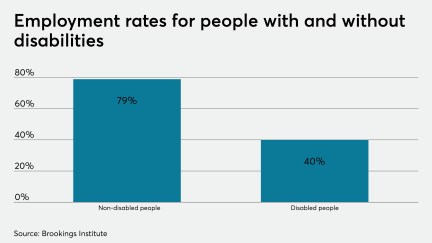
The pandemic has disproportionately affected employees with disabilities.
“Claiming early means a lifetime permanent cut in monthly benefits for you and your spouse and survivors,” says Teresa Ghilarducci, professor of economics at the New School for Social Research.