Benefits Think Why self-insurance strategies are out of whack and other realities for advisers
Prodding employers into insuring themselves has important benefits—and major drawbacks.

Shandon Fowler
Four8 Insights
Follow Us
© 2026 Arizent. All rights reserved.

Prodding employers into insuring themselves has important benefits—and major drawbacks.
The price of prescriptions has skyrocketed and the industry needs to address matters sooner rather than later.

The price of prescriptions has skyrocketed and the industry needs to address matters sooner rather than later.
Amazon, JPMC and Berkshire Hathaway and other large employers have put the healthcare industry on notice but what does this mean for employee benefit advisers?

To help employers contain costs, these advisers are revamping their healthcare supply chain.

These megadeals have the potential to restructure the industry and wring out some of its most egregious inefficiencies.
A $50 deduction was announced due to a change in the inflation adjustment calculations for 2018 under the Tax Cuts and Jobs Act.
More are embracing the insurance model, as firms realize cost savings, plan flexibility and employee satisfaction that can manifest itself as soon as the first year after implementation.

At a World Health Care Congress session, advisers learned new ways to get the attention of their clients’ top executives.

CVS Health Corp. said it’s making progress in the regulatory review of its $68 billion deal to buy health insurer Aetna

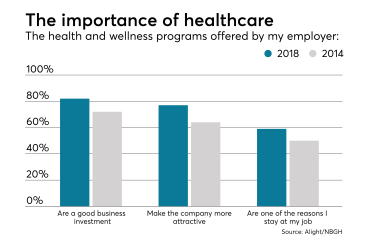
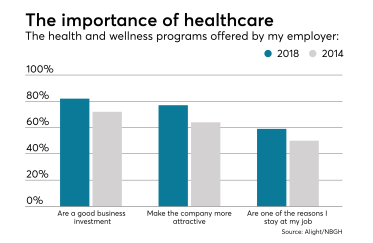
The percentage of employers offering benefits including telemedicine, stress reduction programs and 24-hour nurse lines jump to accommodate an always-on workforce.
More are embracing the insurance model, as firms realize cost savings, plan flexibility and employee satisfaction that can manifest itself as soon as the first year after implementation.

But many advisers remain optimistic that the three-way partnership will succeed at restructuring healthcare costs.

H-E-B’s facilities boost workers’ investment in health and put a primary care mindset first.


Advisers need to guide their clients around these three obstacles.

National Rural Electric Cooperative Association partnered with Teladoc to reach as many rural members as possible and increase healthcare engagement.

The percentage of employers offering benefits including telemedicine, stress reduction programs and 24-hour nurse lines jump to accommodate an always-on workforce.
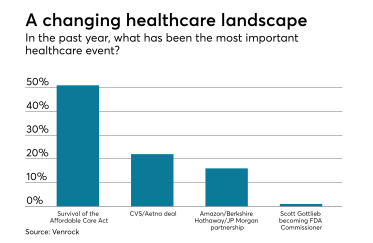
A majority of employers and industry insiders surveyed by Venrock are worried the effort is going to “face substantial challenges and take lots of time.”


Many workers aren’t using their pre-tax dollars as wisely as they could. But employers can help them avoid inappropriate care with tools that support informed medical decision-making.

Overwhelmed and anxious, employees who care for disabled and challenged loved ones have their own unique requirements.