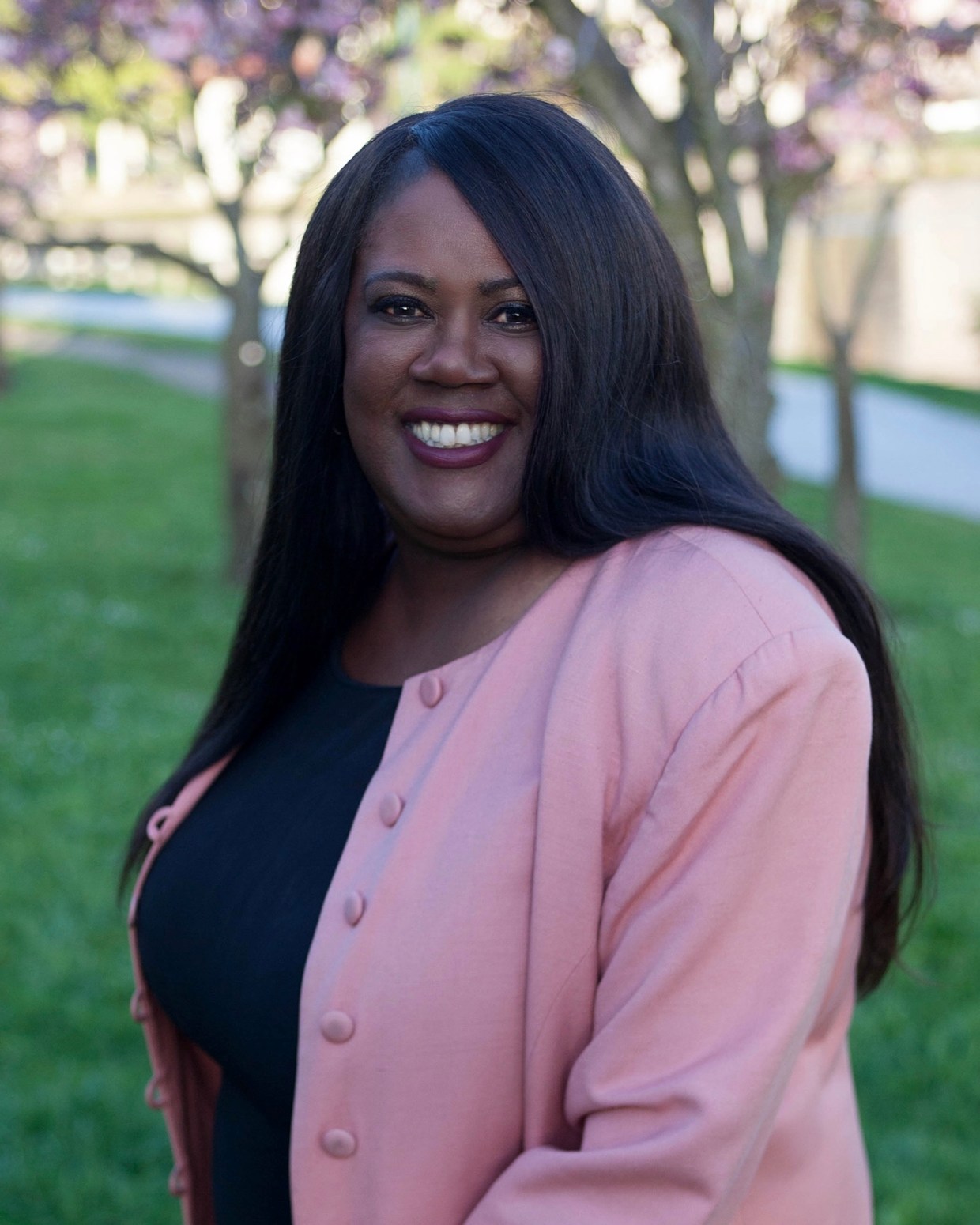
Prudential shares the top tools to help employees reach retirement
“The pandemic has laid bare the widening gap between the financially secure and insecure in this country,” says Yanela Frias, president of Prudential Retirement.


Follow Us
© 2026 Arizent. All rights reserved.

“The pandemic has laid bare the widening gap between the financially secure and insecure in this country,” says Yanela Frias, president of Prudential Retirement.
Your guide on how employers can best support working parents from Employee Benefit News’ top stories of 2020.

More than 60% of employees plan to work during the holidays because of COVID-19 anxieties, which will lead to burnout.


Employees are more likely to remain with their current employer if they offer a student loan benefit.

During times of social change, there is the potential for people to be exposed to events that register in a person’s brain and body as trauma. The negative affects can accumulate and have an impact on a person's work and well-being.
The average American full-time employee earned 23 paid days off a year, but only used 17 of them. That’s six days of PTO left on the table — the equivalent of handing a week’s salary back to your employer.

The pandemic forced many companies to allow employees to work from home, which created new challenges for employers and their workforce.

The pandemic has highlighted how a permanent or semi-permanent work from home model can still produce a productive workforce, especially among working parents.
In addition to maxing out your 401(k) and 529 savings plans, add to your health savings account and make year-end charitable donations.

Corporate catering provider ZeroCater launched a new personalized digital cafeteria to provide healthy meal options for remote employees and other essential workers.


The majority of American workers are facing meaningful financial challenges and are at significant risk for making financial decisions they are likely to regret.
From nutritional programs to maternity care and transgender benefits, employers and benefit providers got creative with one of the most essential benefit offerings.

If the federal government embraced the model of states like California and Oregon, as many as 40 million more workers might start saving, researchers say.
Fortunately, there’s a silver lining to this year’s unprecedented demand for mental healthcare: increased awareness and acceptance of mental health issues, even in the workplace. But, there’s more we can do.

Even the cutthroat world of banking is starting to recognize the potential advantages of giving people a break, whether that’s someone trying to juggle family commitments or someone who just feels burned out.
Through the end of the first quarter, workers will be reimbursed $75 or $100 a day to pay caregivers, depending on the employee’s compensation.
2020 was a difficult year for benefits professionals, but Employee Benefit News’ Benny Award winners stood out with their support for employee mental health, financial wellness and overall well-being this year.

Scroll through our list to see some of the best coverage from 2020 on addressing racial trauma in the workplace, the COVID-19 crisis, and suicide rates among veterinarians.
EAPs, yoga and meditation classes and access to free therapy are all ways to help your employees combat stress and anxiety from the on-going pandemic.

Employers must provide care options that are safe and reliable as families are dealing with more stressors than usual including at home learning, closed elder care centers, working remotely while supporting both child and elderly dependents.