Workers are stressed about retirement. Here’s what employers can do
Employees are facing rising financial stress, retirement savings gaps, and competing priorities but new financial wellness trends are emerging to help.


Follow Us
© 2026 Arizent. All rights reserved.

Employees are facing rising financial stress, retirement savings gaps, and competing priorities but new financial wellness trends are emerging to help.
Employees are embracing AI for money guidance, but new research finds they still want trusted human assistance and personalized tools that connect their full financial picture.
Even high-income employees are uncertain about where to put their next dollar, highlighting the need for workplace guidance on financial wellness.

A Bank of America report reveals a disconnect between employers and employees on fiscal wellness, while educational programs can improve retention and engagement.

When a level-funded stop-loss corridor, ICHRA contribution strategy and captive loss fund can be assessed against claims data, brokers become interpreters.
New NFP research finds 72% of workers are behind on retirement as rising costs, competing priorities, and financial stress make saving harder.

A new Schroders survey reveals how everyday financial pressures are reshaping retirement decisions, from reduced contributions to increased plan loans.

Even as employers spend more on health plans, employees report confusion over coverage details, fueling calls for better communication and tools.

Privacy, accuracy and transparency concerns are slowing adoption, even as organizations see artificial intelligence as a way to simplify benefits decisions and improve support.

Younger employees are least likely to enroll in retirement plans, but automatic enrollment and defaults dramatically improve participation across the board.
New data shows workers increasingly relying on emergency savings accounts to cover transportation and fuel expenses as commuting costs stay elevated.

Health savings accounts continue to expand as more workers invest contributions, even as perplexity around eligibility and account rules continues.
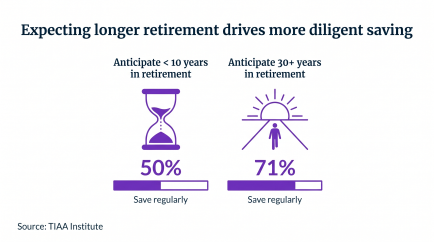
A new TIAA Institute report finds workers who misjudge life expectancy are less likely to save, putting long-term retirement security at risk.
A new study finds most employees choose lower-cost health plans during open enrollment, a trend that may lead to higher out-of-pocket costs later.

As chronic conditions rise nationwide, benefit leaders are urging employees to consider critical illness coverage to offset medical bills and other expenses tied to recovery.
With open enrollment fresh on their minds, employers can clearly articulate what worked, what was well received by employees and what needs to improve.

Dry January is prompting employers to rethink alcohol culture, burnout and wellness as part of broader conversations about health at work.

New research at the 2025 Financial Wellbeing Symposium finds many Americans depend on FSAs to avoid cutting care while confusion over HSAs slows adoption.

Recent data from the Federal Reserve Bank of New York found more than 1 in 3 American households couldn't come up with $2,000 to cover an unexpected expense.

Workers are feeling more confident about their retirement plans — but that optimism may be misplaced.