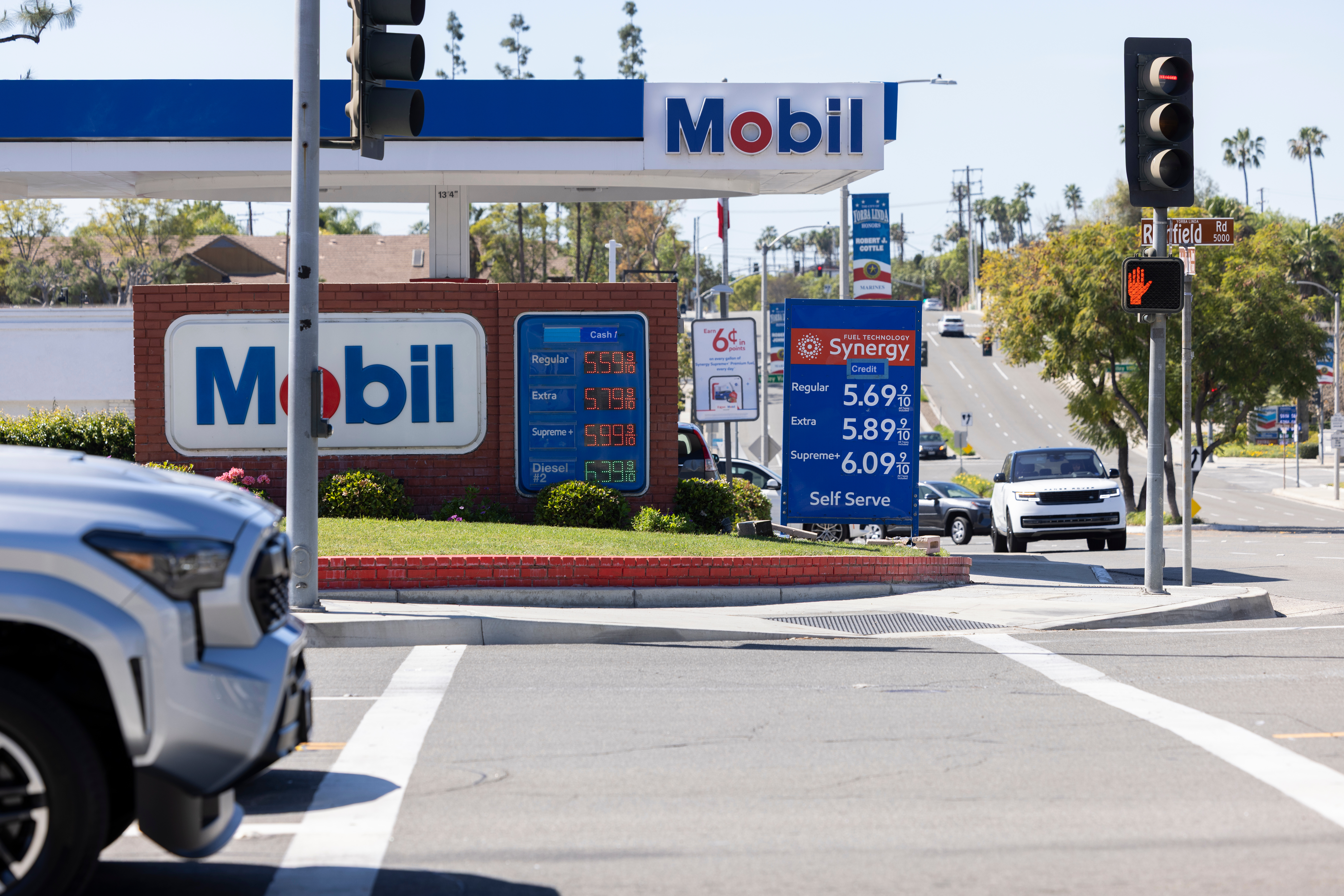
- Key Insight: Learn how rising fuel costs are shifting emergency-savings usage toward commuting expenses.
- What's at Stake: Increased withdrawals risk productivity, retention and benefits strategy effectiveness across employers.
- Forward Look: Prepare for sustained benefit demand as gas prices remain roughly 35–40% above last year.
- Source: Bullets generated by AI with editorial review
More employees are tapping into emergency savings accounts to cover rising transportation and fuel costs, according to new analysis.

An April report from SecureSave found that
"Our data from employee use of ESAs shows fuel costs are straining commuting budgets and reinforces the need for a safety net and ongoing savings tool to help employees manage emergency expenses without taking on debt," said Devin Miller, head of SecureSave, an employer-sponsored emergency savings platform.
Although gas prices have eased in recent weeks, they remain significantly higher than a year ago. AAA data show the national average at $4.26 per gallon as of June 3, roughly 35% to 40% higher than the same period last year.
The
Read more:
"It's not just headlines in the news, but it's showing up in how people are using a product like ours," he said. "They're declaring it an emergency. It's also helpful for employers to remind them that a financial emergency is not necessarily this huge calamitous thing. It could be as simple as filling up my car is an extra $40 a week that I did not budget for, and it's going to have to come from somewhere."
How much employees are
"If you've got a group of factory workers in a particular area and everybody's driving to work from a pretty far distance and they're living in an expensive state, they may see this data even more pronounced than others," he said.
For employers, tracking emergency savings usage can help identify
A recent study by Morgan Stanley found that more than half of U.S. employees say financial stress is affecting their job performance. Eighty percent of HR managers say employees' financial issues hurt productivity, according to the report, and 53% say financial stress-reducing benefits matter most for job satisfaction, ahead of mental or emotional support (26%) and physical wellness benefits (19%).
Benefits of an ESA
Emergency savings accounts
"They're typically going to see it perform as one of the top elective benefits that they have," he said. "For benefit professionals, that's huge because launching a benefit is really hard."
Read more:
Miller said rising financial strain and increased
"Your employees are just trying to make their budget work, and they are strained right now," he said. "Inflation is peaking again, savings is down. They feel it every time they fill up the car, and every time they buy groceries, and that's the reality that's out there."