New workers are missing out on 401(k) savings, and employers can help

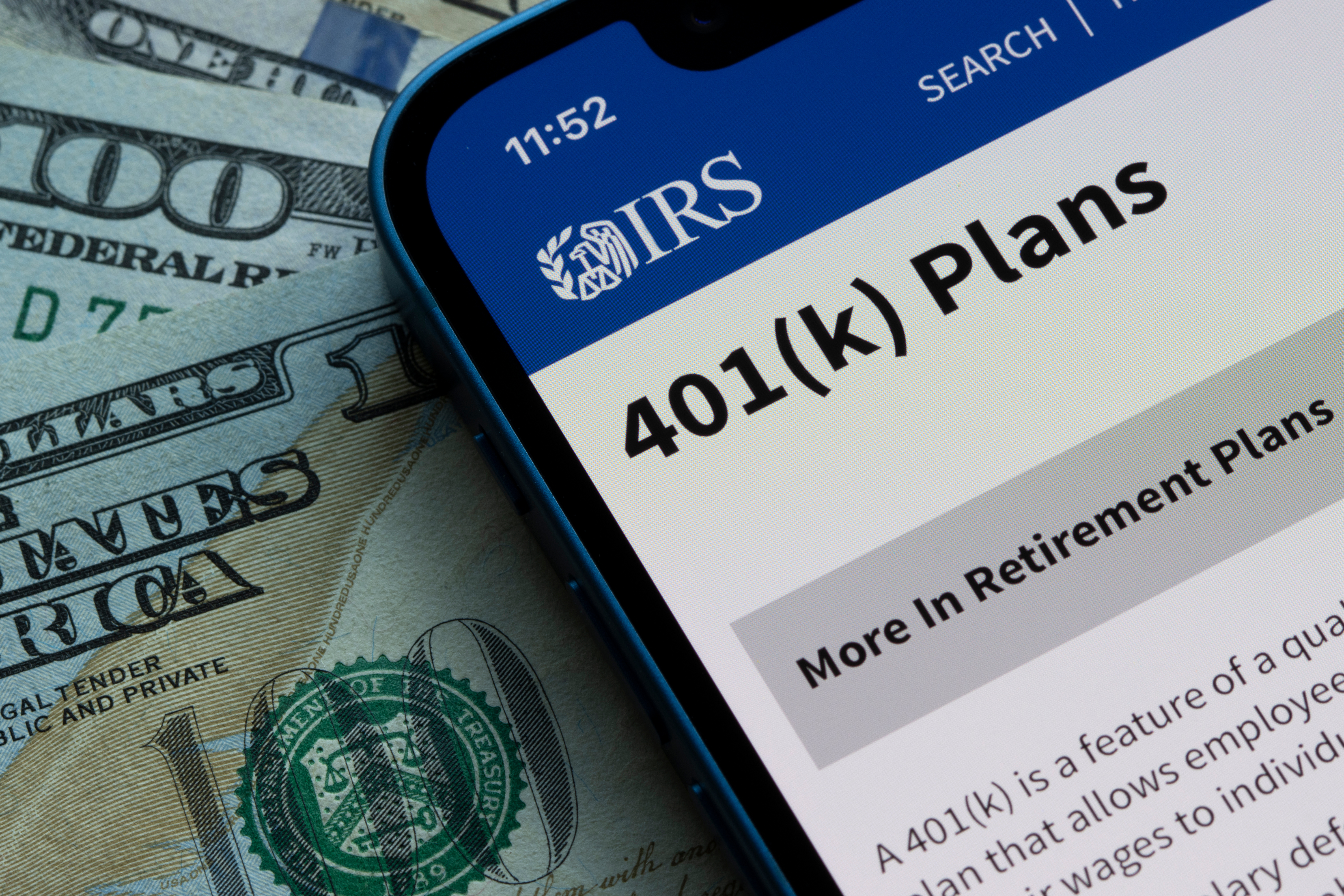
 The 401(K) Plans page on the IRS website is seen on an iPhone. 401(k) plans are employer-sponsored defined-contribution pension.
Adobe Stock
  • Key Insight: Discover how simplifying 401(k) onboarding materially increases young-employee participation.
  • What's at Stake: Low early-career participation could erode long-term retirement outcomes and employer retention metrics.
  • Forward Look: Anticipate wider auto-enrollment and auto-escalation adoption to boost early-career savings.
    Source: Bullets generated by AI with editorial review

The best benefits education feels less like homework and more like helpful nudges from a trusted guide. And that's especially true when talking to a young new hire about the perks of investing in a 401(k) plan, said Harlyn Kassardjian, director of strategy and business operations at Betterment at Work.


Processing Content

"They certainly don't need 40-page PDFs with dense, jargon-heavy language," Kassardjian said. "They need three questions answered: 'What does this cost need today?' 'What's the immediate benefit?' and 'How does it grow over time?'"

A new class of graduates and interns is entering the workforce this summer, and many will be making retirement decisions for the first time. Benefit leaders and HR teams can help by simplifying enrollment, defaulting new hires into contribution plans, and providing resources that make saving feel less overwhelming, Kassardjian said. 

Read more: Financial firms expand pooled retirement plans for small employers

She said new grads are one of the most rewarding groups to work with because time is on their side. "One dollar saved at 22 goes much further than someone saving a dollar at 52," Kassardjian said. "At the same time, those new hires are often balancing entry-level salaries, immediate living expenses like rent or student debt. Retirement feels like a very far away concept, and that's where it's important to reframe the thinking of the 401(k) and how it is a part of their financial picture today."

Young workers lag in savings

Young people entering the workforce have traditionally been less likely to participate in a retirement plan than their older colleagues. According to Vanguard's 2025 How America Saves report, participation rates were lowest in 2024 among employees younger than 25, with 54% contributing to their employer-sponsored retirement plan. By comparison, more than eight in 10 employees between the ages of 35 and 64 participated in their employer's plan. 

Tenure also plays a significant role in plan participation. According to the Vanguard report, 70% of eligible employees with less than two years on the job participated in their employer's plan, while nearly nine in 10 workers with tenure of four years or more were participants. 

Read more: Employees can invest alternative assets into their 401(k)s. Here's what to know

Mindy Yu, senior director of investing at Betterment at Work, said it's important for young professionals to invest in something and avoid getting  bogged down by trying to pick the right funds or figure out the perfect allocation. 

"That paralysis costs them years of growth," Yu said. "The real advantage of a 401(k) is the time your money has to compound once it's invested. When you're young, time also means you can afford to take on more risk, as risk and reward tend to balance out over time. Additionally, if markets take a downturn, don't panic. A 401(k) is not a day-trading account; it's a long-term strategy, and the people who stay the course are generally the ones who come out ahead."

Time matters more than precision

Smart plan design can help people who are new to investing avoid costly mistakes early in their careers, Kassardjian said. Features such as a simple enrollment process, automatic enrollment and automatic contribution increases can make it easier for employees to start saving, stay invested, and gradually build their retirement nest egg over time.

Automatically enrolled employees had an overall participation rate of 94% in 2024, according to the Vanguard report, compared with 64% for employees in plans with voluntary enrollment. Plans with automatic enrollment also showed higher participation rates across all demographic groups.

Read more: How leaders can prevent employees from using their 401(k)s early

The impact was even more pronounced among newer employees: those with less than two years of tenure who were automatically enrolled participated at more than twice the rate of their voluntarily enrolled peers.

"People can always opt out, but most are glad to stay in and don't necessarily miss those few dollars that they would see in their paycheck," Kassardjian said. 


For reprint and licensing requests for this article, click here.
Financial wellness Enrollment Employee benefits Compensation
MORE FROM EMPLOYEE BENEFIT NEWS
Load More