Benefits Think How to turn health equity into cost advantage
Inclusive benefit design builds trust, drives preventive utilization and replaces reactive cost-shifting with proactive value creation.
Follow Us
© 2026 Arizent. All rights reserved.

Inclusive benefit design builds trust, drives preventive utilization and replaces reactive cost-shifting with proactive value creation.
A new report finds rising prices are forcing most U.S. workers to cut back on essentials, tap savings or take on debt, reshaping how they view wages, benefits and job stability.


Workers want a more active role in choosing how their benefit dollars are spent, according to a study from Alight.


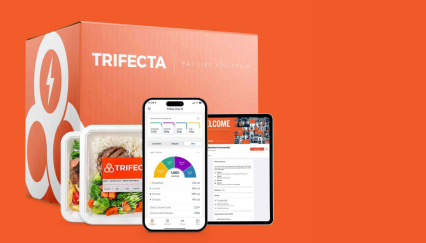
A better diet is becoming easier to maintain with medically-approved meals covered by benefits and delivered to people's doors.
Compensation is the primary driver for employees seeking new roles, though more than half still plan to stay put.

Dry January is prompting employers to rethink alcohol culture, burnout and wellness as part of broader conversations about health at work.

The opportunity ahead is about building the same kind of thoughtful, documented, process-driven governance in health care that transformed retirement plans.

Everest Funeral Concierge offers standalone service to help bereaved employees and their families in their time of need.


The country and culture-specific aspect of the program allows employees to get customized information and understanding about their health.

For HR and benefits leaders addressing health equity through smarter chronic disease and sleep care strategies.
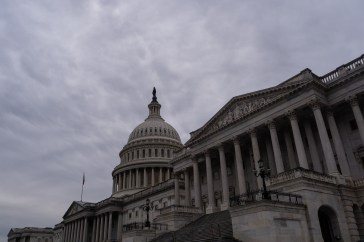
The House approved a three-year extension of ACA tax credits as some GOP lawmakers broke ranks, aiming to push the Senate toward a bipartisan deal.
Employers and new policies are helping drive wider adoption of health savings accounts, as premiums and out-of-pocket costs rise.

Benefits that help employees better manage things like high blood pressure, obesity and diabetes can reduce turnover and absenteeism.

MetLife's 2026 study finds employers now prioritize cost control over hiring for the first time in years as half of workers skip medical care due to high prices.

As health plan costs continue to climb, "doing nothing" has become the most expensive strategy of all, says this panel of benefit experts.


Employees providing long-term care for loved ones report high stress and say limited flexibility and benefits hurt their jobs.

From AI-powered life coaching to smarter claims processing, startups say automation can personalize benefits and help employers and doctors save time and money.

A talent expert from MedPro Healthcare Staffing shares how flexibility, wellness, AI tools and professional development factor into overall employer care.

A focus on employee well-being, and an embrace of technology should guide benefit managers' decisions for the new year.

CannaLnx, a new digital health platform, connects doctors, insurers and dispensaries as employers begin adding reimbursable medical cannabis to workplace benefit plans.