'Food as medicine': Meal delivery is covered under HSA and FSA plans

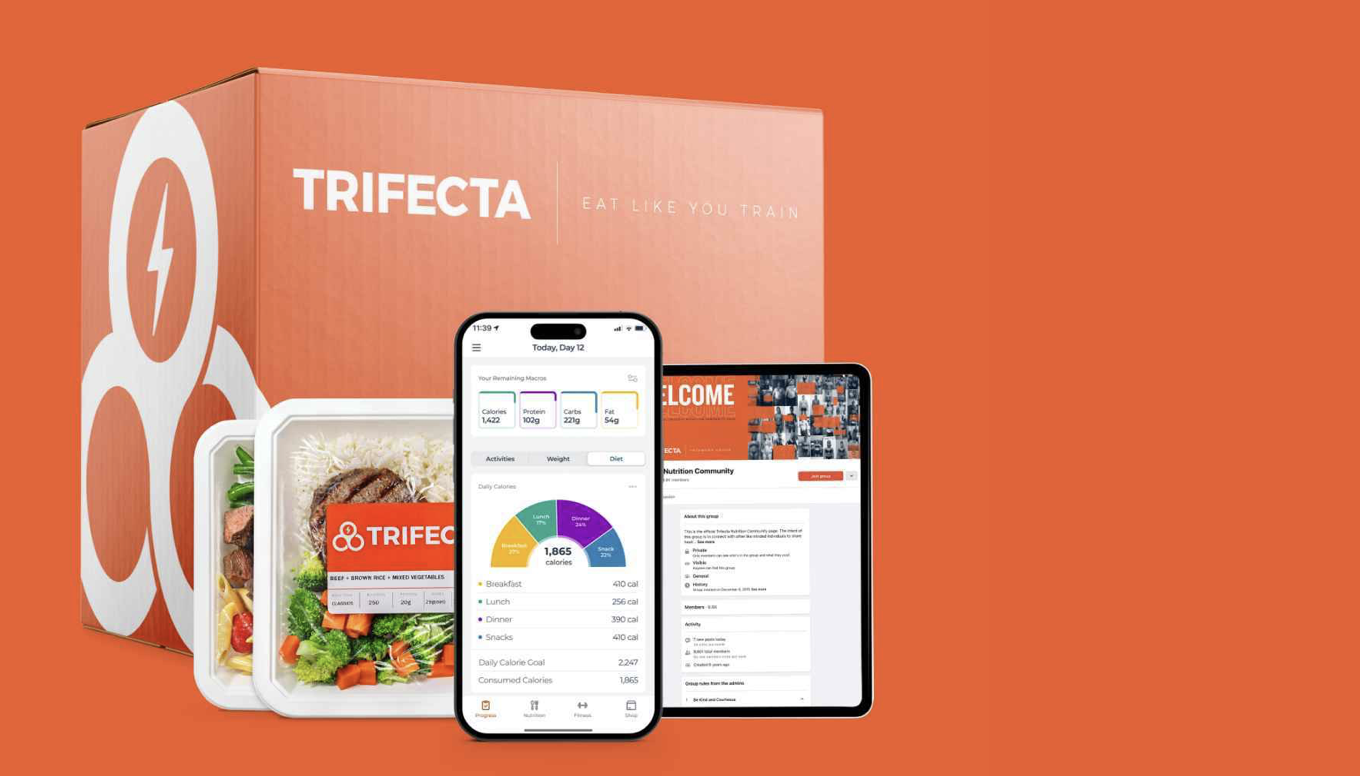
Trifecta meal delivery service products
Trifecta Nutrition
  • Key insight: Learn how HSA/FSA-enabled medically prescribed meals integrate "food as medicine" into chronic care.
  • What's at stake: Rising chronic-care costs could force benefits redesign or increase employer healthcare liabilities.
  • Expert quote: Trifecta CEO Jim Keller - most meals are appropriate for cardiovascular, metabolic and obesity management.
  • Source: Bullets generated by AI with editorial review

Diet makes a huge difference for employees managing chronic conditions like weight and heart health, but they don't always have time, money or easy access to the right foods.  
Processing Content

According to the CDC, 90% of overall healthcare spend goes toward the treatment of chronic conditions, many of which are caused or exacerbated by poor eating habits. As healthcare and grocery costs rise, the challenges will only get worse.  

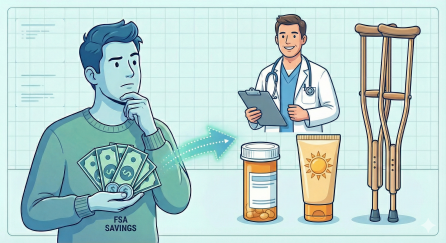
To help solve this piece of the chronic-care puzzle, meal-delivery service Trifecta partnered with food-tech platform Prado, which connects prepared food businesses with healthcare professionals and other specialists to distribute medically-approved meals that employees can pay for with their health savings account (HSA) or flexible spending account (FSA). 

To get started, an employee's healthcare provider must first prescribe a weekly meal plan as part of their chronic disease management regimen. Then they choose from around 120 physician-certified meals from Trifecta's various plans, and Prado streamlines ordering by helping with steps needed to use HSA or FSA funds as payment. This improved access to better eating habits fosters the growing movement of "food as medicine," and is an important step in cutting down on the healthcare costs related to chronic conditions, says Trifecta CEO Jim Keller. 

"Almost all of our meals are … appropriate as part of treatment programs for things like cardiovascular disease, metabolic disorders, obesity, diabetes [and] cognitive decline," he says. "There are hundreds of millions of Americans who are challenged with the types of diseases that our meals [help], and there's a lot of growing evidence to support that there's tremendous ROI in making sure people are eating in the right way as part of their treatment." 

Read more:  SAVVI Financial launches retirement income predictor tool

A substantial difference for health and savings

The potential this service has for positive health and financial outcomes is remarkable, says Keller, pointing to a recent Tufts University study that analyzed how medically-prepared meals would impact patients and healthcare systems nationwide. Estimates showed that implementation would save approximately $23 billion in healthcare costs the first year, and prevent more than 2.6 million hospitalizations per year from complications related to diabetes, heart disease and cancer. A state-by-state analysis showed that per-patient savings could be as much as $6,299. 

For benefit leaders, this is a no-cost way to save money and help employees and their loved ones lead healthier, longer lives. Jon Carter, Prado's founder and CEO, got into the healthy meal-provider industry after watching his father pass away prematurely from type 2 diabetes. 

"It sent me on a personal mission to understand the set of circumstances that lead someone in their mid-50s to die from preventable chronic disease," Carter says. "I realized there's a ton of friction in the market preventing food from operating and acting as a form of health care. As we started to attack that problem, we saw that payment is a big part of the issue. I thought, what a tragedy that is, and on the one hand, what an awesome thing it would be if we could do something about that."   

Read more:  Compensation — not benefits — lures employees to new roles 

By communicating this addition to HSA- and FSA-eligible services, benefit leaders can set employees on a path to use their tax-free dollars for long-term health improvement.       

"Food as medicine is truly effective at combating some of these chronic conditions," says Carter.  "And if you could just take a portion of the buying power that is in HSA and FSA accounts — around $170 billion — you can start to put a dent in the several trillion dollars we spend as a country treating late-stage chronic disease."

Keller and Carter encourage benefit leaders to advocate for the health of their workforce by explaining the valuable role their FSA or HSA can play in chronic-care management when it is used for a service like this.    

"If everyone could afford to have a personal chef that also thought about the macro profile of our meals for our health, we would all sign up for that," Carter says. "That's what we're talking about in this case. And it's a tax-deferred purchase, so it doesn't get any better than that in terms of moving the incentives in the direction of better."

Read more about HSAs, FSAs and the impact of benefits on chronic care: 

  1. As health costs rise, Americans put more money in HSAs
  2. Expanding HSA eligibility could pay for GLP-1s
  3. How Stacie Mundahl is tackling the cost of chronic care management
  4. Why chronic health management benefits boost employee retention
  5. 3 free HSA tools to use during and beyond open enrollment
For reprint and licensing requests for this article, click here.
Employee benefits Healthcare Health and wellness Financial wellness
MORE FROM EMPLOYEE BENEFIT NEWS