White Paper The new nest egg: Why a Health Savings Account (HSA) is the ultimate retirement savings vehicle
This paper explains how employers can help their people use HSAs to support their journey to retirement.

Follow Us
© 2026 Arizent. All rights reserved.

This paper explains how employers can help their people use HSAs to support their journey to retirement.
Learn the best ways drive value from your HSA program through engagement

Employees will be taking a closer look at their benefits options this open enrollment period.


Misty Guinn, director of customer advocacy at Benefitfocus, discusses the current state of employee benefits.
A CFO explains why employees should invest in their HSA accounts.

A study by Willis Towers Watson shows employees want their employer to help them save for retirement.


HealthEquity explains how the Consolidated Appropriations Act will affect plan participants in 2021.

Employers with a robust spending account strategy will be better equipped to bolster employee savings and support other needs in 2021.
From COBRA premiums to long-term care, there are surprising uses for funds in these tax-advantaged accounts.

Considering that the vast majority of Americans live paycheck-to-paycheck and 40% struggle to cover a $400 emergency expense, it’s no wonder why so many individuals consider themselves functionally uninsured despite being covered by an employer’s health plan.

No matter how bleak things may look right now, you can still help your employees plot a path back to being financially well. Here are four steps to help restore your employees’ financial confidence.

Learn what these pre-tax accounts can buy to help deal with the pandemic.

The majority of U.S. workers do not have enough savings to help them in the event of a medical emergency and often turn to their retirement funds for help.
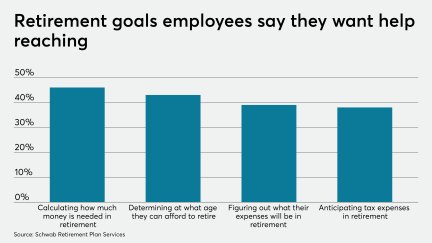
HSA spending is more flexible than ever; learn how employees can make the most of them amid coronavirus.

One possible solution is for employers to add a new temporary dependent care benefit, whereby employers can cover dependent care expenses with an expanded set of expense coverage.

For starters, they can use the windfall to pay off debt, shore up their HSAs and build a cash reserve.


Aside from refinancing, retirees are advised to consider downsizing their homes to reduce overall spending.


Aside from income taxes, retirees will also pay consumer taxes and may face a 3.8% Medicare surtax.
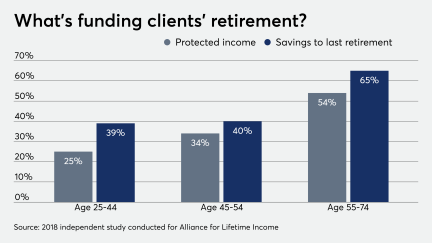
“The advice I give is to calculate the financial impact for each option,” an expert says.

The HSA has become increasingly valuable for future medical expenses, "and the triple tax benefit simply can’t be ignored,” an expert says.