-
Many economists expect to see job prospects, and economic growth, improve in the coming months as vaccinations pick up and virus concerns ease further.
March 5
-
Treasury Secretary Janet Yellen said that low-wage earners, minorities and women are suffering the most and could face “permanent” damage from a prolonged slowdown.
February 8
-
In the coming months, as more Americans get inoculated and virus cases fall, economic activity is poised to resume and job cuts may decline further.
February 4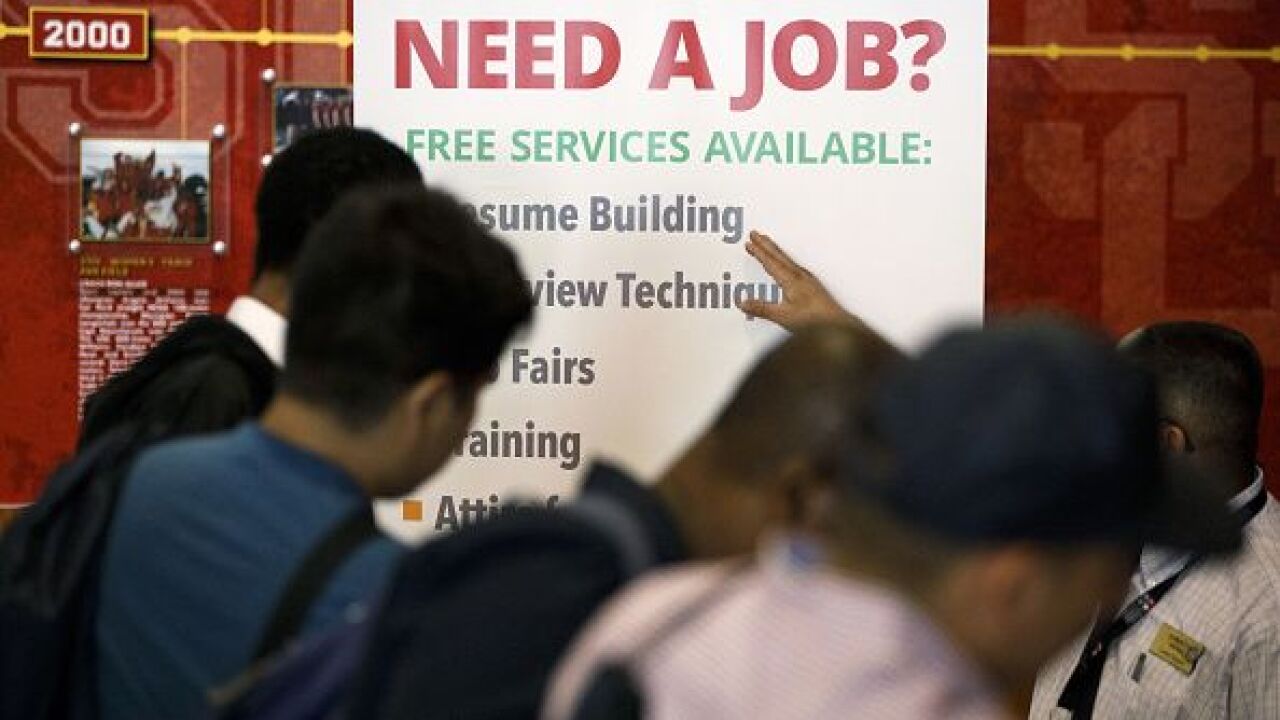
-
Experts see powerful employment gains over the next three years that evade the curse of past recessions. If they’re right, millions of Americans will leap back into the workforce as soon as vaccines against the coronavirus roll out.
January 12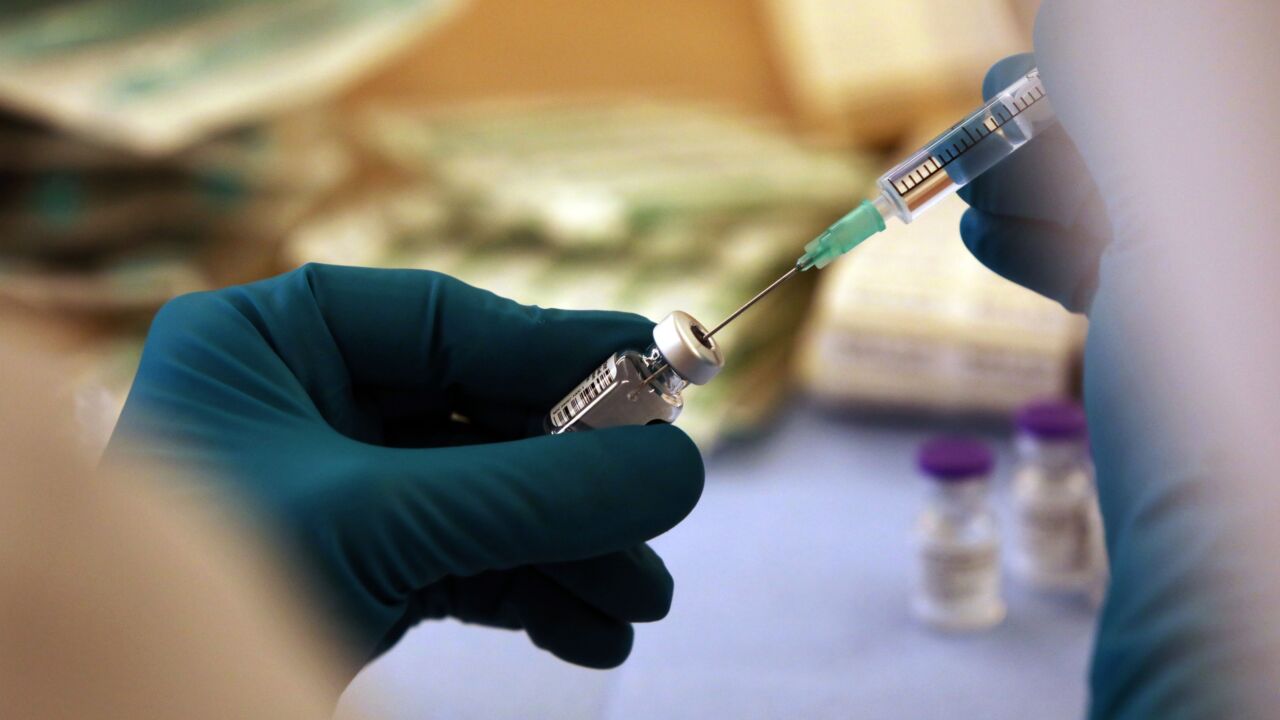
-
Prolonged unemployment harms physical and mental well-being, traps workers in poverty and increases family stress, according to studies.
January 7
-
Persistently high jobless claims, along with this week’s announcements of tens of thousands of layoffs, indicate widespread economic pain.
October 2
-
Chances of further employment and economic gains are diminishing without the widespread stimulus payments and small-business aid that have sustained incomes and spending.
September 3
-
School closures will continue to impact the labor force participation rate for women, who generally take on a greater share of childcare obligations.
August 26
-
Initial jobless claims in regular state programs fell by 249,000 to 1.19 million in the week ended Aug. 1, Labor Department data showed Thursday.
August 6
-
Initial jobless claims in regular state programs fell by 99,000 一 the most in a month 一 to 1.31 million in the week ended July 4, Labor Department data showed Thursday.
July 9
-
Applications for U.S. unemployment benefits gradually eased last week despite a stream of business reopenings, underscoring the longer-term labor-market challenges caused by the coronavirus pandemic.
June 11
-
Since efforts to the contain COVID-19 pandemic rapidly shut down the U.S. economy in mid-March, about 38.6 million initial unemployment insurance claims have been filed under state programs.
May 21
-
Fears of a rapid, massive displacement of humans by robots haven’t yet been realized, but machines have been taking over human tasks for centuries, and the pandemic seems likely to accelerate this process.
May 15
-
Joblessness now stands at the most since the Great Depression era of the 1930s after the coronavirus pandemic brought the U.S. economy to a standstill.
May 8
-
The Labor Department’s figures are projected to show a jobless rate surging to 16%.
May 6
-
The International Labour Organization expects 195 million full-time job losses globally, and forecasts a “significant rise” in underemployment.
April 24
-
The five-week total for unemployment claims reached 26.5 million in the steepest downturn for the U.S. labor market since the Great Depression.
April 23
-
The jobless rate jumped to 4.4% — the highest since 2017 — from a half-century low of 3.5%, and is expected to surge above 10% in the coming months.
April 3
-
“This morning’s data leaves no doubt that the economy is currently in a recession,” said Matthew Luzzetti, chief U.S. economist at Deutsche Bank.
March 26 -
Locales with high concentrations of jobs in industries such as retail and health care could see as much as a 4% decline in their annual growth rate if the shutdowns last just a month.
March 24