Employee financial wellness hits 4-year high, but employers miss key struggles
A Bank of America report reveals a disconnect between employers and employees on fiscal wellness, while educational programs can improve retention and engagement.


Follow Us
© 2026 Arizent. All rights reserved.

A Bank of America report reveals a disconnect between employers and employees on fiscal wellness, while educational programs can improve retention and engagement.
Some ultrahigh net worth clients would be affected by a change to retirement plan contribution and distribution rules that's under consideration in Congress.

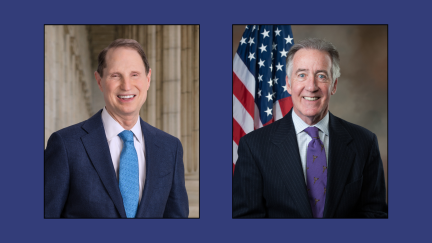
New NFP research finds 72% of workers are behind on retirement as rising costs, competing priorities, and financial stress make saving harder.

A new TIAA study finds many retired workers wish they had saved sooner, planned for healthcare costs, and prepared for career disruptions that delayed or reshaped retirement.

A Deloitte analysis shows that alternative allocations — to private equity, private credit and other vehicles — in DC plans could grow quickly.
A new Schroders survey reveals how everyday financial pressures are reshaping retirement decisions, from reduced contributions to increased plan loans.

Instead of assuming that longevity is a good-news story, acknowledge that extended longevity without a plan is a financial and emotional time bomb.

Childcare, eldercare and financial wellness are some of the essential offerings caregivers can use to balance the needs of their children, other loved ones and work.


Employees are putting off major life decisions like buying a house and expanding their family as daily financial challenges grow.
For benefits teams: data-backed trends from 27,000 global employees to inform your financial wellbeing strategy.
For HR and benefits professionals: New Balance achieves measurable financial wellbeing program outcomes.
For HR and benefits leaders: Explore the 2026 financial wellbeing landscape and find the best fit for your workforce.
HR and benefits leaders: learn how to evaluate and select the best financial wellbeing solution for your workforce.
Worker well-being has declined sharply in two years, as employees race to adapt to rapid change and report waning organizational support.

At face-value, HSAs are for short-term medical expenses, but advisors suggest paying out of pocket to maximize HSA funds for investing and tax-free growth.
With financial preparedness a continuing challenge, according to a new MetLife survey, employers have the opportunity to better equip their people through emergency savings and financial wellness benefits.

From loan repayment and forgiveness to tuition planning, employers can improve workers' education about how to proceed following July 1 changes to plan options.

Despite tepid interest, small businesses — and their advisers — stand to benefit from adding pooled employer plans.


Alternative retirement options are growing in popularity as employees reject traditional, more rigid, plans.
Offering a variety of both financial and nonfinancial perks can help ease the friction of these workplace treks.