

Women need help navigating workplace benefits and support
Employers need to rethink how they support women through the benefits and life challenges that make staying at work difficult.
Follow Us
© 2026 Arizent. All rights reserved.

Employers need to rethink how they support women through the benefits and life challenges that make staying at work difficult.

Opportunities like mentorship, collaboration and workplace friendships continue to motivate young talent to go into work — they just want a better space.

Employees managing these conditions lead to high overtime, an average of 10 missed a year and rising stress and depression levels.

Organizations are struggling to crack the code on young professionals, but a few changes to their strategy could make all the difference.

Better benefit plan design and HSAs can support employees as they struggle to afford their medical bills.
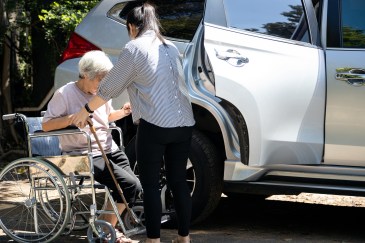
Young professionals are struggling more than their older counterparts to juggle their jobs, debt, and families with aging parents.

More holistic perks and benefits can keep turnover rates low as leaders shift from remote work to hybrid and in-person models.

HR and benefits leaders are using the shifting employee-employer dynamic to cut down on costs — but it can't last forever.

Expanding care coverage is going to be crucial to improving access to care for employees struggling to make ends meet.

Weakening a managerial role can lead to lower engagement, higher employee turnover, and reduced organizational effectiveness.

The senior manager of health and welfare benefits at BMO acts as a strategic connector across the organization.

The benefits manager at LandCare is ensuring more of her team have access to foundational protection.

The director of talent and training at Child & Family Center believes benefits should be an experience.

Benefit leaders will still need to play a significant role in keeping early tech jobs attractive and accessible to young professionals.

Implemented intentionally, new tech should be enhancing employees' roles and changing them for the better.
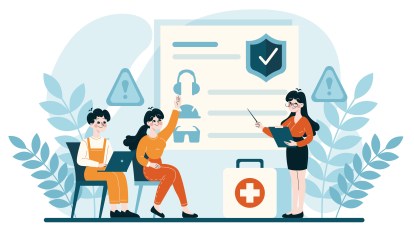
Workplace safety has reached a boiling point, but organizations have the means to keep their employees physically and psychologically secure.

Standing in the way of employees' demands and stalling the wider adoption of popular hybrid and remote work models are tradition and mistrust.

While employers often think they have strong safety measures in place, those protections don't always extend to employees working in the field.

Women are less likely to engage with AI than their male colleagues and it could cause long-term damage to their careers.

Leaders could be doing their part in helping employees purchase a home by providing better, more comprehensive support through policy and culture.