401(k) loans act as lifeline for savers facing health and housing shocks
Most borrowers use defined contribution plan loans for essential health and housing costs rather than discretionary spending, new EBRI research found.


Follow Us
© 2026 Arizent. All rights reserved.

Most borrowers use defined contribution plan loans for essential health and housing costs rather than discretionary spending, new EBRI research found.
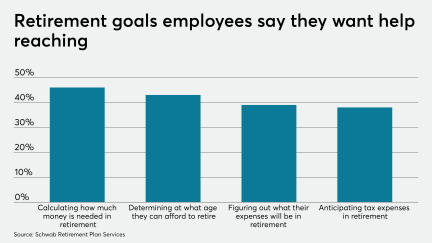
It’s now up to employers to help workers understand how to rebuild retirement savings and regain financial security.

“The advice I give is to calculate the financial impact for each option,” an expert says.


Borrowing against a retirement plan can be a double-edged sword.

Without measures to help workers avoid the decision to withdraw their savings, the proposed law is less likely to achieve the stated goals of its supporters.

Lawmakers this year are expected to pursue measures that will help Americans enhance their retirement prospects.


Although rainy day funds can be useful in the ongoing struggle to curtail leakage of savings from defined contribution plans, they won’t plug the biggest hole in the retirement system’s proverbial bucket.
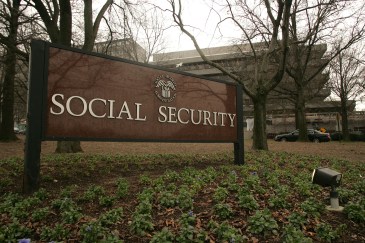
Most people, particularly younger clients, worry that they will not be able to get their Social Security benefits by the time they retire.
The Great Recession spurred many Americans to take loans from their retirement accounts. Now that unemployment is at an all-time low, the next question is how to finance their post-work years.

Retirees who consider taking withdrawals from their 401(k) and other similar plans should account for the tax impact before making a decision.

Savers are starting to take money out of their 401(k) accounts—despite taxes and penalties involved—assuming it will be replaced as markets continue to surge upward.

Tax-free withdrawals could outweigh an employer's match if early withdrawals are made for expenses like healthcare.

Workers often don’t aggregate old retirement savings plans at new jobs, leaving behind orphaned accounts that need attention.
The Internal Revenue Service granted relief to those hit by the storm by making it easier for retirement plans to give loans and hardship distributions.


Surviving spouses will either receive their own Social Security benefit or the survivor's benefit, whichever is higher. But they also may get pushed to a higher tax bracket, which. in turn, could mean higher taxes on Social Security benefits.
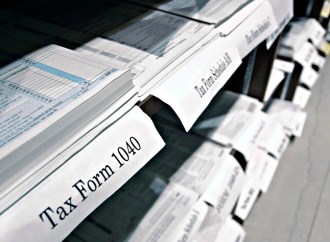
Make sure workers understand that a 401(k) rollover could trigger a hefty tax bill, and that liquidating assets before the age of 59 1/2 could mean a hefty penalty.

Make sure clients understand that a 401(k) rollover could trigger a hefty tax bill, and that liquidating assets before the age of 59 1/2 could mean a hefty penalty.
Tapping a 401(k) isn’t good idea, so it would need to be the lesser of two or more evils. And they “would have to be pretty evil evils," says an expert.

Low-cost passive index funds and sticking to an asset allocation plan even during a market downturn overcame some common pitfalls.

Low-cost passive index funds and sticking to an asset allocation plan even during a market downturn allow employees to overcome common pitfalls.