Benefits Think Employers need to spot aggressive broker agendas
Beware carrier sales reps that hawk voluntary packages that don’t fit your needs.

Rachel Pennington
Silverman Benefits Group
Follow Us
© 2026 Arizent. All rights reserved.

Beware carrier sales reps that hawk voluntary packages that don’t fit your needs.
Employers should offer incentives to get employees to participate, create a healthy culture at work and properly communicate offerings to workers, among other guidelines.

To avoid headaches, clients need to look at and/or provisions and pre-existing conditions, among others.

In order to engage and boost talent, employers should look at newer technologies and be more flexible in an increasingly digital world, experts say.
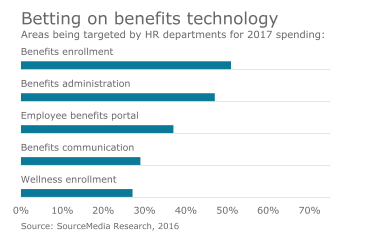
Employees will be able to ask their personal benefits questions in any way they choose and in real time.

Even when employees do not sue, poor treatment of workers who need time off to care for sick relatives can backfire on owners.


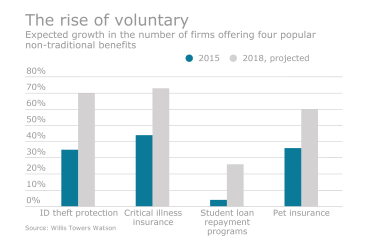
Perhaps the biggest benefits trend young workers are driving is one that has historically been a blind spot for employers: Help with debt.

To avoid headaches, HR professionals need to look at and/or provisions and pre-existing conditions, among others.
Even when employees do not sue, poor treatment of workers who need time off to care for sick relatives can backfire on owners.

Acknowledging the reality of an aging U.S. population, some benefit executives are stepping up efforts to help employees caring for older relatives.

Employers should offer incentives to get employees to participate, create a healthy culture at work and properly communicate offerings to workers, among other guidelines.
Employers on the fence about making the switch to electronic processing report four key areas of frustration.

Top worksite plan providers Delta Dental, EyeMed and Transamerica rack up double-digit revenue gains.

Employers can motivate their workers to exercise with team competitions, discounted gym memberships and health-focused rewards.

The update includes user experience enhancements, extensions to existing HR modules and AI-enabled recruiting features.

The insurance company will provide more than $10,000 over five years to help employees pay down their education debts.

The insurance company will provide more than $10,000 over five years to help employees pay down their education debts.

Following a successful pilot program, employers can expect to see an uptick in Department of Labor audits to ensure they are paying out benefits to fully vested participants.

Employees can benefit from the offering regardless of their age or stage of life, and that’s true for younger workers, too.

Plan designs are nearly set, however work is still needed in planning communications and setting goals.