Great Resignation is slowing amid high inflation, Randstad says
Workers less likely to quit their jobs because of increasing living costs and inflation

Follow Us
© 2026 Arizent. All rights reserved.

Workers less likely to quit their jobs because of increasing living costs and inflation
Both new graduates and job seekers without degrees have plenty of options as the talent market stays hot.


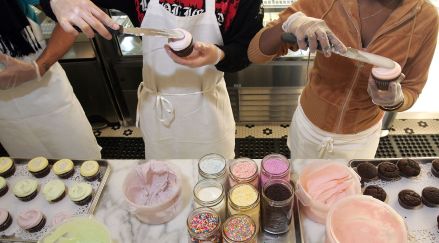
The participation rate for teens in the job market last month increased to 42.9%, the highest for any June since 2009.
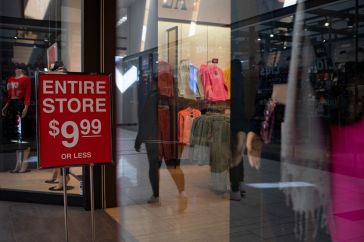
More than half of Americans believe the country is currently in a recession.
American employees are feeling anxious that their jobs are no longer secure with the looming threat of a recession.

Inflation and stock market volatility are impacting employee confidence around retirement, but employees don't always need to react to get through challenging financial times.


Weekly unemployment claims have been falling for most of the year alongside declining COVID-19 cases and solid consumer demand that’s supporting business growth, including hiring.
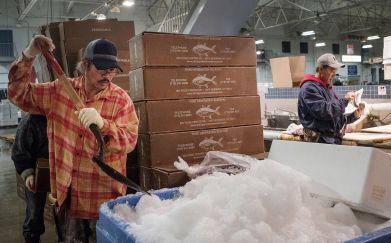
The U.S. added close to half a million jobs in March and the unemployment rate fell by more than expected.
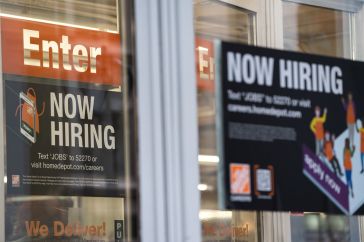
Demand for labor far exceeds supply and rampant inflation keeps the incentive to work high.
Some companies are betting that cost increases will be around for two to three years.
Wall Street is fearful of a market jolt as spending slows.

Employers continue to chip away at filling a near-record number of open positions.

According to a new PNC survey, 56% are feeling hopeful about the road forward.

The deceleration in hiring likely reflects both growing fears about the rapidly spreading delta variant of COVID-19 and difficulties filling vacant positions.

Sixty-nine percent of working mothers plan to remain out of work to care for their children, according to a survey by TopResume.

"We call it the “Donut Effect.” The places losing the most people are centers of big cities," says Nicholas Bloom, a Stanford University economist.

Difficulty attracting workers is slowing momentum in the labor market.

The job market is strengthening as employers look to fill positions left empty by the pandemic.

The pandemic has pushed out older employees and is deepening inequality as lower income workers feel the brunt of the crisis.
Many economists expect to see job prospects, and economic growth, improve in the coming months as vaccinations pick up and virus concerns ease further.