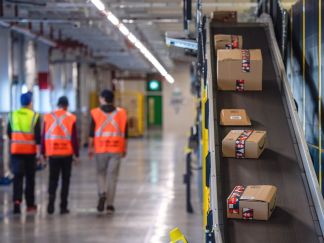
Amazon to cut more than 18,000 jobs in continued layoffs
This is the biggest reduction in the online retailer's history.
Follow Us
© 2026 Arizent. All rights reserved.

This is the biggest reduction in the online retailer's history.
"We talk a lot about flexibility becoming the new currency," says Claudine Hoverson, chief talent officer at financial services firm Synchrony.


Our top stories of the week spotlight workplace cultures that are prioritizing happiness and cheer for employees.

A recent survey reveals that many employers are making it hard for employees to maintain a healthy work-life balance — especially during the holidays.


During the pandemic, women endured some of the biggest career setbacks. Now, they're bouncing back, and want to be fairly compensated.

Need to let an employee go? Do the hard work and address the problem head on, this CPO says.

Companies use approximately 10% of their balance sheet on real estate. As the world becomes more virtual, is the financial strain worth it?

Working from home can poison office relations because communicating virtually requires far more empathy than meeting people in real life, according to the chief executive of the real estate group JLL.

Eighty-seven percent of workers have reported to ‘love’ or ‘like’ their jobs, and over half of respondents claim it’s because their work is meaningful.

Nearly 4.3 million people quit their jobs in January and almost half of employees are looking for a new job or plan to soon.

The pandemic negatively impacted tobacco usage for almost half of employees, prompting 96% of them to smoke while on the job.

Two recent studies point to the long-lasting impact of work from home.

While immigrants make up 17% of the U.S. workforce, a lack of English language proficiency is a major barrier to employment for many.

The number of workers currently involved with a colleague is six percentage points higher than before COVID.

Netflix has increased the diversity of its U.S. staff as the company looks to have its workforce better mirror the broader population.

Deskless workers — like service technicians and home health aides — are missing out on important tech advancements that would make their jobs easier.

More than four out of 10 executives ranked the potential inequities between remote and in-office employees as their number one concern.

In a culture where workers often feel a stigma surrounding time off, it’s important to encourage employees to prioritize themselves.

The pandemic has put employees in control of workplace culture, and they're demanding more than just traditional benefits.

Check out the employers helping employees work fewer hours, while maintaining productivity.