A lack of awareness of healthcare prices is failing employees
Only 9% of adults shop around for the best healthcare prices. Healthcare guidance platform Amino seeks to provide clarity to make more employees aware of the No Surprises Act.

Follow Us
© 2026 Arizent. All rights reserved.

Only 9% of adults shop around for the best healthcare prices. Healthcare guidance platform Amino seeks to provide clarity to make more employees aware of the No Surprises Act.
The appeal of these companies has grown as employers increasingly seek to address a shortage of high-quality primary care and reduce spending on the health of their workforce.

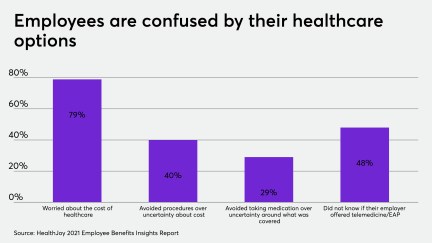
Employees are concerned that they cannot afford necessary care and are confused about what their health plans cover.

The largest U.S. bank is launching a business called Morgan Health aimed at improving employee benefits and promoting health equity.
COVID concerns led millions of patients to put off routine care and screenings in 2020, so health plans will need to rethink how they forecast expenses.

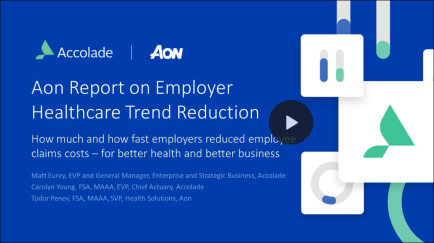
An independent study by Aon showed how clients lowered their healthcare costs with personalized advocacy—beginning in the first year of service.
Mental health needs and disorders are the single most expensive category of health costs for employers of all sizes and across all industries.

Beginning April 1, Humana will join a Cigna purchasing organization called Ascent Health Services to give it access to greater discounts from drugmakers.
Innovative advisers are driving two disruptive benefits trends that both improve the quality of care and reduce year-over-year healthcare costs.
What will happen when patients finally feel comfortable returning to their healthcare providers’ offices? One survey projects a possible 5.3% increase in health plan costs for large employers in 2021.

Unlike private health insurance, Part D drug plans have no cap on patients’ 5% coinsurance costs once they hit $6,550 in drug spending, which forces patients to rely on financial assistance programs. These arrangements, however, do nothing to reduce drug prices.

With the holiday season approaching, employees may be indulging more and focusing less. An employer-provided nutrition program can help workers practice healthy habits.

Across the nation, workplaces have been the source of major coronavirus outbreaks — largely among the so-called essential workers who bear the brunt of COVID infections and deaths.
Health insurance companies will have to give their customers estimated out-of-pocket costs for prescription drugs and disclose to the public the negotiated prices they pay for drugs.

In order to discern which health plans offer the best bang for member bucks, benefit advisers need to understand the economics of healthcare today.
Every delayed preventative screening, test or check-up can result in a failure to discover a serious medical condition that requires treatment. That raises treatment costs down the line for both company health plan and employee.
A workforce with a greater number of financially stressed workers sees a greater number of sick days, higher healthcare costs, and increased absenteeism.

The overall impact of the crisis adds uncertainty about projected costs.


Employers can help employees prepare for and manage high healthcare costs related to COVID-19 as well as large medical bills related to other health conditions such as serious illness or accidents several ways.
While it does not solve all problems, virtual care offers a highly flexible, low resource approach that, with many patients, can deliver a positive care experience with equal or better quality at lower cost.