First Choice prioritizes accessibility through telehealth benefits
The company’s new telemedicine offerings put primary care and behavioral health services at members’ fingertips.


Follow Us
© 2026 Arizent. All rights reserved.

The company’s new telemedicine offerings put primary care and behavioral health services at members’ fingertips.
Rising Star Alex Dampf left his job at a traditional benefits brokerage firm to start his own business and find new ways to manage benefits.


Don’t be seduced by style over substance, warn industry pros; more “human touches” are necessary to support decisions beyond latest apps or self-service tools.


The advising firm will help navigate employees through plan choices that comply with new ICHRA reporting requirements.
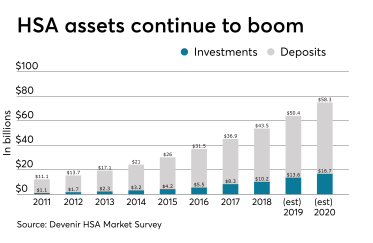
Ninety-six percent of HSA account holders are depleting their funds on a yearly basis, instead of investing the money for their long-term care.
The start of a new decade is the perfect moment for advisers to think about what has been trending and how to bring about positive change.

Most job-changing participants migrate to employers with large health plans, but account consolidation can help both companies reduce their plan fees.

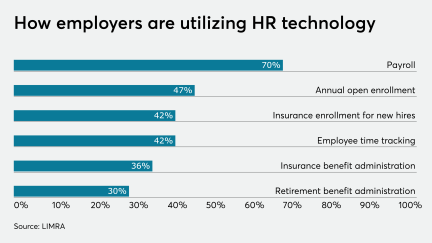
The ability to analyze benefit plans and health data can help employers with everything from cutting costs to helping employees improve their health.
About one in four large employers offer programs to help workers get better sleep and more than half plan to implement such efforts by 2021.

The healthcare company plans to leverage its acquisition of Aetna to make the life-altering treatment easier to afford.

As medication costs continue to rise, employers should implement these strategies to mitigate the financial burden of pharmaceutical prices.


Understanding what benefits and services will most improve your employees’ lives.

A digital overhaul in healthcare is taking longer than expected — and there’s one reason no one is talking about.
More than $3.9 million was submitted in fake reimbursement claims.

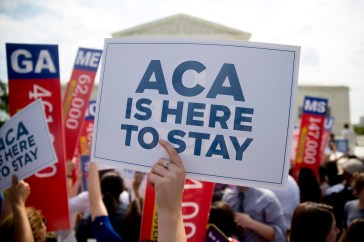
Candidates are weighing whether Medicare for all or public options will be more appealing to voters.
Employers can use data from self-funded health plans to reduce costs.
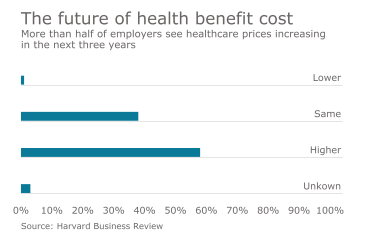
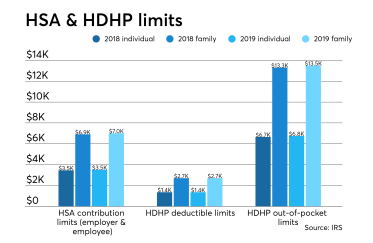
While half of employers are enrolled in a high-deductible health plan, 41% cannot pay for healthcare costs.
The company is now offering its 30,000 workers in Ohio and Arizona two plans for 2020 run by Cigna and Aetna.

Patrick Kennedy and the CEO of benefits company Optum discuss the state of mental health benefits at HLTH.
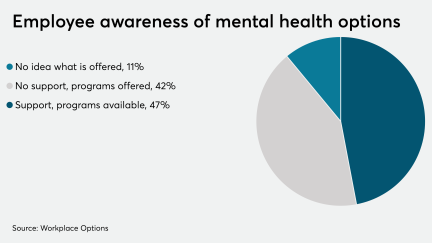
Open enrollment should be treated as an ongoing activity that maximizes the return on benefits investment, as well as increases employee well-being and satisfaction.