How smaller businesses can keep their benefits cost-effective and competitive
Smaller companies don't need to outspend to compete, says Justworks SVP, if they focus on these particular strategies that go a long way.


Follow Us
© 2026 Arizent. All rights reserved.

Smaller companies don't need to outspend to compete, says Justworks SVP, if they focus on these particular strategies that go a long way.
Employers shouldn't just provide healthcare benefits to their people, but help them navigate the system, too.


At a time of never-ending health benefit cost increases and fiduciary lawsuits, it has never been more important to ensure that claims are paid correctly.

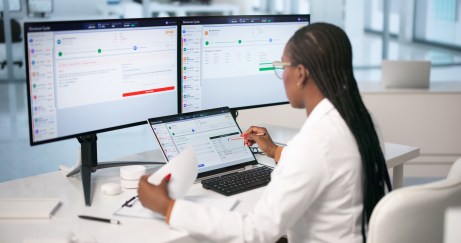
Identifying patterns, building attribution and seeking accountability can help employers better manage women's care needs long term.
The practical takeaway is to treat data-sharing requests as a risk-allocation exercise, not just an operational convenience.
Rising use of the weight-loss drug is fueling the fastest health plan cost growth in a decade and a half, forcing employers to rethink coverage strategies and cost management.


Metabolism-management drugs and hormone therapy are growing in popularity, but women need expert clinical oversight in conjunction with medication access.

Providing working parents with time and resources to care for their children during times of illness offers returns in the forms of productivity and retention.
Brokers have both an opportunity and responsibility to educate their clients toward better health outcomes and less financial volatility, not just a yes/no on coverage.
Providing better access to primary care providers is key to cutting down on workers' serious medical conditions and encouraging a better quality of life.

As the scope of gene therapy grows, understanding their impact and cost can help organizations decide how to cover them through their healthcare plans.
Workers often hide mental health struggles out of fear of judgment or career consequences. Experts say employers must build cultures where asking for help feels safe.

In the midst of life's challenges is when employees struggle to understand their benefits. A resource that provides personalized guidance can help.
As more Americans turn to GLP-1 medications for weight loss, employers are weighing the benefits of coverage against rising healthcare expenses and long-term costs.

A look at what the Medicare GLP-1 Bridge Program covers, what it doesn't, and what plan sponsors need to know.
Employees are putting off major life decisions like buying a house and expanding their family as daily financial challenges grow.
As healthcare costs continue climbing, employers are exploring new funding models, cost-containment strategies, and benefits approaches to better manage spending.
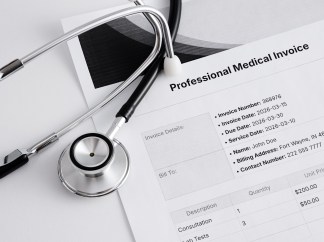
Employees managing these conditions lead to high overtime, an average of 10 missed a year and rising stress and depression levels.

The traditional backup care credit model can waste employer dollars before they reach families — but several fixes exist.

Visible hospital pricing is an opportunity for benefit leaders to compare costs for procedures across facilities.