GLP-1s push health plan costs to 15-year high

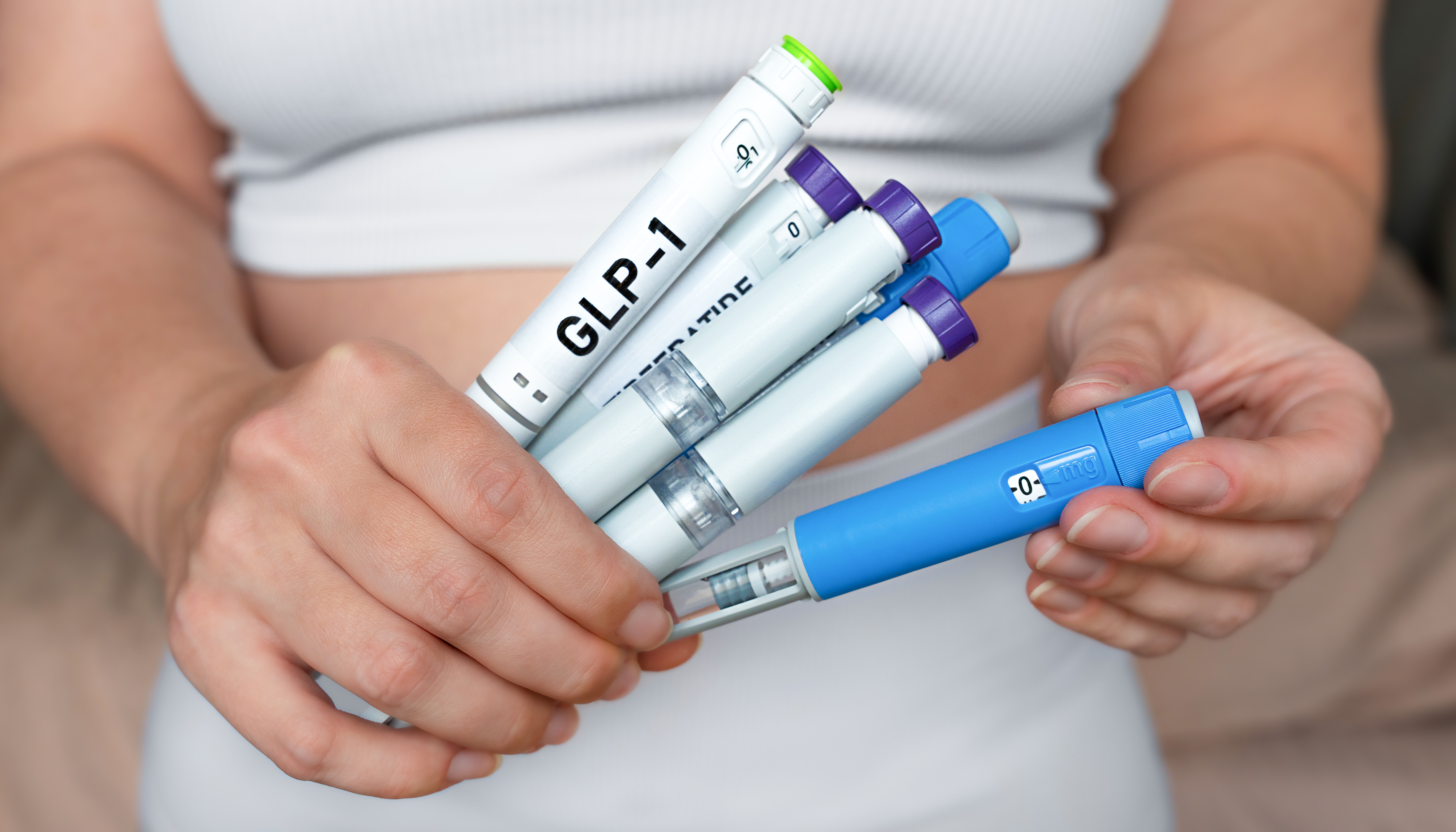
Woman holding multiple GLP-1 injection pens, weight loss and diabetes treatment concept.
Adobe Stock
  • Key Insight: The real reason health costs are rising is a structural shift driven by GLP-1s.
  • What's at Stake: Employers face long-term affordability crises as millions of workers become eligible for expensive treatments.
  • Supporting Data: 18.3% rise in prescription drug costs for certain employer-sponsored health plans.
  • Source: Bullets generated by AI with editorial review

The growing popularity of expensive GLP-1 drugs is helping push employer-sponsored health plan costs to their fastest growth rate in 15 years for 2027, according to a new survey.


Processing Content

Medical plan costs are projected to rise nearly 10% next year, according to the 2027 Segal Health Plan Cost Trend Survey. Prescription drug costs are forecast to climb even faster, at 11.5%.

"Employers aren't facing a temporary spike in pharmacy costs but instead a consistent, year-over-year growth," said Matt Nguyen, vice president and health informatics consultant at Segal. "We're seeing a structural shift right now, driven by these drugs."

Read more: GLP-1 drug use surges, along with coverage costs for employers

Segal, an employee benefits and HR consulting firm, defines health plan cost trend as the year-over-year change in a health plan's allowed per capita claims costs — the amount billed for care before patient cost-sharing, minus any discounts negotiated between insurers and providers.

The company surveyed 65 health insurers, pharmacy benefit managers, and other health care organizations for the report, which reflects a substantial share of the commercially insured and self-insured market in the United States. The survey was conducted from late spring through summer 2026.

Driving pharmacy costs, concerns about long-term affordability

The data shows just how much weight-loss drugs are moving the needle. According to Segal's SHAPE database, which tracks real claims data from large employer health plans, prescription drug costs rose 18.3% in 2025 among plans that covered GLP-1s for obesity treatment — with 7.8 percentage points of that increase attributable to GLP-1 drugs alone.

By contrast, plans that did not cover GLP-1s for obesity (offering them only for diabetes treatment) saw prescription costs rise just 10.5%, with GLP-1s accounting for only 1.2 percentage points of that total.

Read more: As GLP-1 costs climb, more employers weigh dropping coverage in 2027

Nguyen pointed out that around 40% of U.S. adults are obese, and another 25% to 30% may be overweight, creating an unprecedented number of people eligible for weight loss medications. "You're seeing about 70% of your adult population who could be treated with these drugs that cost $10,000 to $15,000 a year, and that's the crux of this issue: the convergence of those two factors," he said.

The report warned that as GLP-1 use keeps expanding, the drug class will likely remain a major driver of pharmacy costs for years to come, raising concerns about long-term affordability for employers.

Read more: GLP-1s could be another tool in combating substance use disorder in the workplace

In response, employers are adopting a range of strategies to manage the cost of anti-obesity medications, the survey found. The most common approach, cited by respondents, is requiring patients to try lower-cost treatments first or obtain prior authorization before starting GLP-1 therapy.

Other employers are requiring participation in lifestyle modification programs, while some are declining to cover the drugs for weight loss at all. Fewer employers reported using stricter eligibility requirements, such as higher body mass index thresholds, or shifting more of the cost onto employees through higher co-pays.

Read more: What new Medicare GLP-1 coverage means for employers

While some employers have turned to step therapy to manage GLP-1 costs, that strategy historically has not worked well, Nguyen said, largely because newer-generation GLP-1s are significantly more effective than earlier treatments.

"The reason we're seeing this big boom now in GLP-1s for weight loss is because they're much more effective than the prior therapies," he said. Earlier generations offered a "best case" 2% to 5% weight loss potential, while newer drugs are producing 10% to 20% weight loss within six to 12 months.

"What we're seeing for some of our clients that have had the best management while covering the newer generation is a really deeply ingrained solution where there is close integration with the medical side and the pharmacy side," Nguyen said.


For reprint and licensing requests for this article, click here.
Healthcare GLP-1 Health and wellness Employee benefits Wellness Metabolic Health
MORE FROM EMPLOYEE BENEFIT NEWS
Load More