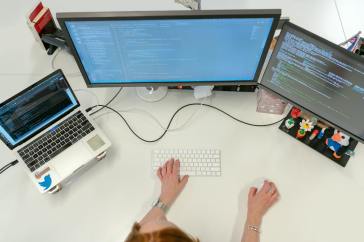
Fewer employers are requiring college degrees for new hires
About one in six U.S. job postings require at least a bachelor's degree, according to Indeed.
Follow Us
© 2026 Arizent. All rights reserved.

About one in six U.S. job postings require at least a bachelor's degree, according to Indeed.
New Hampshire is the best state to find a job right now, given its low unemployment rate.

With a three-minute assessment, employers can see where they're doing well, and where they need to make improvements to retain talent.


U.S. job openings picked up in October while layoffs eased, suggesting demand for workers is stabilizing.
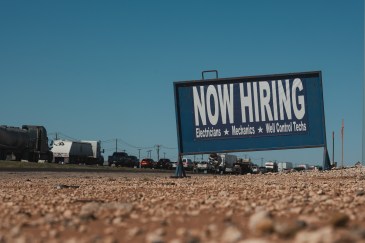
While companies like Amazon and Starbucks are calling employees back to the office, other big organizations are maintaining more flexible work options.

Our coverage includes the importance of mental health benefits, adoption benefits, and a new trend in hiring.

This National Adoption Awareness Month, employers should make sure their offerings are inclusive.

Employers are looking beyond more traditional platforms like LinkedIn and Indeed to source new candidates.

Our coverage this week includes the importance of creating a supportive workplace for people in recovery; a surprising list of products employees can buy with their leftover FSA funds; the steps employers can take to encourage workers to save for emergencies and retirement; and more.

A senior consultant at SHL breaks down why it's pointless to vilify job hoppers in today's labor market.


The CEO of Crunch Fitness shares why he invests so much in the interview process, and why it pays to get personal with candidates.

The three industries with the lowest salary transparency have an average of 83% of job postings that don't list compensation.

Employers will need to contend with a range of issues once the 2024 election is over next week, including potential changes to regulations and tension within the workplace.

California is the state with the largest percentage of job listings that show a salary, and Alabama is the state with the lowest percentage.
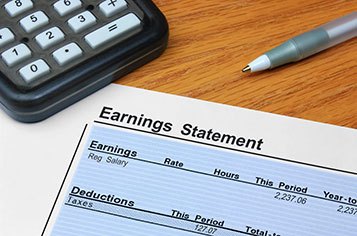
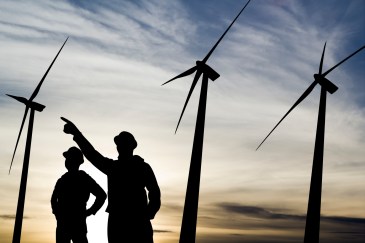
The top three highest paying green jobs have an annual median salary ranging from $119,200 to $157,740.
U.S. job openings fell in September to the lowest since early 2021, and layoffs picked up.

A recruitment expert shares some workplace predictions that will affect every organization regardless of which party wins.

In-demand careers change constantly, but they speak to the wants and the needs of the current workforce.

The effort aims to help both students find their passions and fill labor shortage gaps in certain fields.

The average starting salary for the top ten states is $110,000 and the average starting salary for the bottom ten states is $41,452.