A dozen tax tips for the 2021 filing season
Our panel of experts have identified these 12 credits, deductions and more as worth particular attention this year.

Follow Us
© 2026 Arizent. All rights reserved.

Our panel of experts have identified these 12 credits, deductions and more as worth particular attention this year.
To protect client nest eggs, advisors must know which savings vehicles are protected — and they’re not all created equal.


Older clients who have lost a job prior to retirement are advised to first consider filing for unemployment insurance and begin making revisions to their budget.


Aside from income taxes, retirees will also pay consumer taxes and may face a 3.8% Medicare surtax.
Seniors choosing between traditional and Roth IRAs must account for their current and future tax rates.

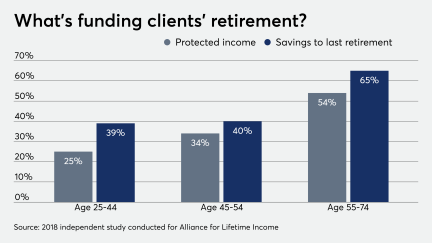
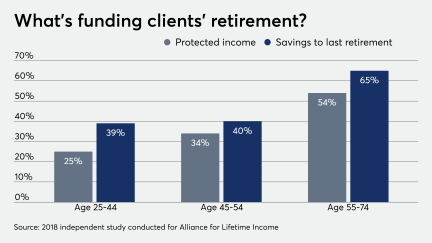
While it’s recommended they have at least three sources when they retire, just 6.8% of savers have done so, according to a report.
While there are strategies to help reduce risk, clients should recognize the order of investment returns is crucially important, an expert writes.

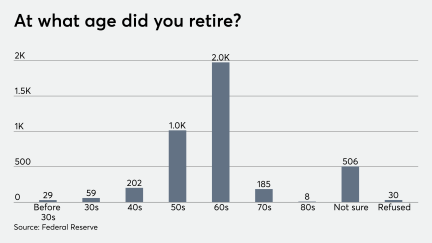
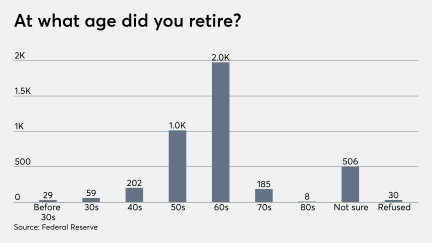
Many pre-retirees leave the workforce sooner than anticipated as a result of various factors, such as job loss and illness.
“By and large, many simply have not yet saved enough to retire comfortably.”
This recently passed bill is groundbreaking retirement legislation and will substantially alter the landscape for employer-sponsored retirement plans and individual savers.

Buyout amounts are high right now, but there are many other factors to consider when guiding employees to the right choice.

Retirees often only take distributions when they are forced to do so because of the IRS’ RMD rules, an expert says.

Workers can use Roth IRAs, 529 plans and — yes — life insurance to give their children a head start.


There are still several moves that clients can make to reduce their 2018 tax bill.


To qualify for this feature, clients should have reported a minimum amount for at least 11 years.

If the client makes a mistake, they are advised to take the RMD as soon as they discover it so they can ask the IRS for a waiver of the penalty.

Retirement plans may decline to offer delayed RMDs, plan loans, stretch and hardship distributions and a host of other legally sanctioned tax maneuvers.

Seniors are more likely to opt for the standard deduction, which increased under the new tax law, but those who want to maximize their deductions have several considerations.

A recent ruling by the U.S. Labor Department could open the door for automatic 401(k) transfers between employers, which means fewer workers will be tempted to cash out.

One of the major provisions of proposed legislation would require 401(k) plans to offer annuities so participants could create new income streams.