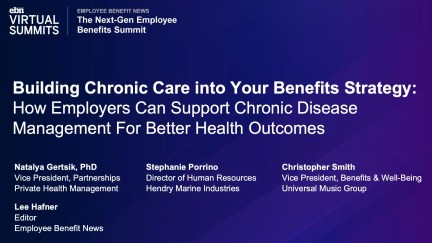
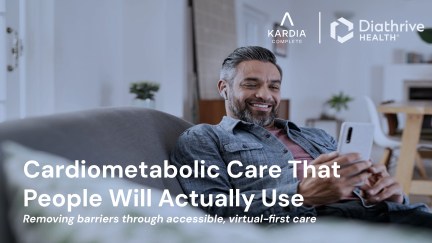
On-Demand Web Seminar Cardiometabolic care that people will actually use
In this session we share how accessible, virtual-first cardiometabolic care models can remove barriers to participation
Follow Us
© 2026 Arizent. All rights reserved.

In this session we share how accessible, virtual-first cardiometabolic care models can remove barriers to participation
Workplace safety has reached a boiling point, but organizations have the means to keep their employees physically and psychologically secure.

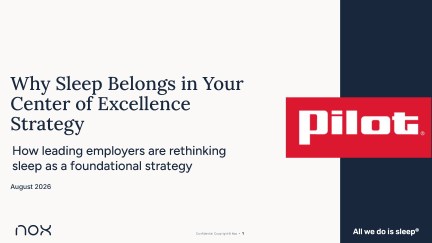
Employers have built Centers of Excellence for cancer, surgery, maternity, and musculoskeletal care, but sleep remains one of the most overlooked drivers of healthcare costs, productivity, and chronic disease outcomes. For benefits leaders, untreated sleep disorders can undermine investments in diabetes, obesity, cardiovascular, and mental health programs.
Commuting challenges for those in the healthcare industry can easily be connected to other roles where being in person is essential.
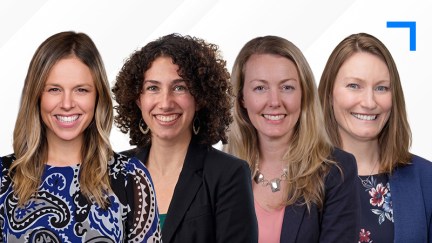
Lindy Gilkey, VP, Consultant Relations at Pomelo Care Gina Julian, Principal, Population Health & Well-Being at Brown & Brown Lindsay Bower, Senior Principal at MercerWELL Rebecca Warnken, Inclusive Benefits Leader, Health Transformation at Aon

Building a competitive compensation model is key to sustainable success. Here's what business owners need to know to attract and retain top talent.

When Senior Living Communities first introduced earned wage access, it solved an immediate need: giving employees faster access to their pay. But over time, a bigger question emerged—was it actually helping employees get ahead?
Brokers who thrive will be those who help clients see what altitude sickness obscures and provide the diagnostic tools to design benefits that actually work at ground level.
When personalized, holistic financial offerings are available and well communicated, employee productivity, retention and recruitment improves.
For too long, benefits leaders have accepted seven-figure NICU claims as an unavoidable "cost of doing business."
Employees who care for dependents with lifelong, complex care needs are work supporting in their own right.
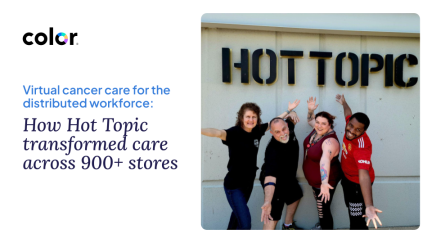
Reaching a distributed workforce has always been a challenge, and retail is a prime example. Communication, education, and engagement are the north stars for benefit leaders, but even the most valuable programs often go underused. Layer on cancer, and employees tend to disengage even further, until a diagnosis sets in and a crisis occurs.
Forward-thinking companies are embracing neurodiversity with benefits that strengthen focus, streamline daily life, and elevate performance for everyone.
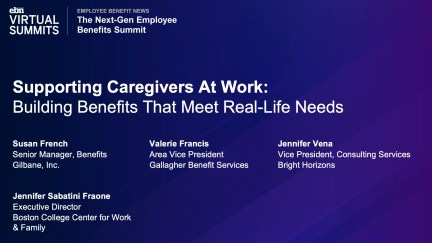
Today's workforce is filled with caregivers—parents, partners, and children navigating complex family responsibilities alongside their careers.
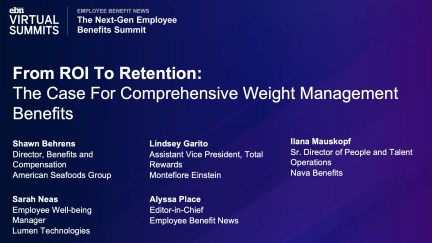
Obesity and being overweight affect a significant portion of the American workforce,
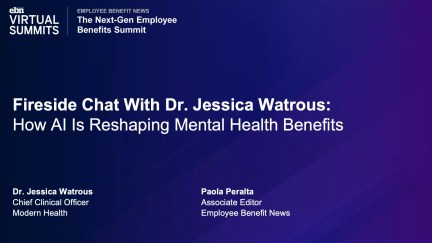
With employee demand for mental health support at an all-time high—
Chronic conditions like diabetes, heart disease, cancer, and autoimmune disorders affect more than 60% of Americans —