Web Seminar The insomnia blind spot: Why first-line care is still out of reach
CBT-I is recommended as first-line treatment for chronic insomnia. So why are nearly 97% of treated patients receiving prescription medication instead?
In this session we share how accessible, virtual-first cardiometabolic care models can remove barriers to participation
Employers have built Centers of Excellence for cancer, surgery, maternity, and musculoskeletal care, but sleep remains one of the most overlooked drivers of healthcare costs, productivity, and chronic disease outcomes. For benefits leaders, untreated sleep disorders can undermine investments in diabetes, obesity, cardiovascular, and mental health programs.
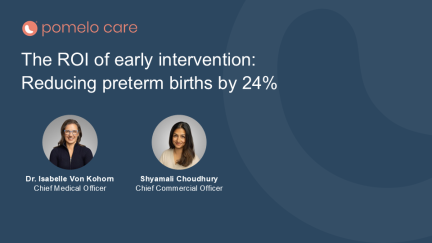
For too long, benefits leaders have accepted seven-figure NICU claims as an unavoidable "cost of doing business."
New research highlights a widening planning gap among child-free savers, with lagging estate and long-term care planning exposing unique risks.
A one-size-fits all health insurance approach often fails to meet the needs of a modern and diverse workforce. This white paper outlines how ICHRAs foster budget sustainability and employee choice.
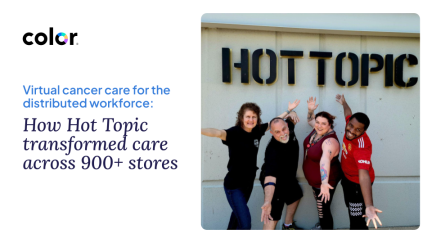
Reaching a distributed workforce has always been a challenge, and retail is a prime example. Communication, education, and engagement are the north stars for benefit leaders, but even the most valuable programs often go underused. Layer on cancer, and employees tend to disengage even further, until a diagnosis sets in and a crisis occurs.
Rising Part B costs will absorb much of Social Security's 2026 cost-of-living adjustment — leaving less room in retirees' budgets.
This confusion can cost both employees and employers more money and time in the long run.
"I don't know how I stayed employed," shares Alison Borland, CPO of Modern Health, on the challenges she faced as a caregiver.
What was once a niche benefit only offered by tech and financial service companies has expanded to industries of all sizes.
Caregiving is one of the most overlooked drivers of employee stress, turnover, and disengagement but that's changing fast.
Advisers can do a better job equipping employees with the knowledge they need to make better benefit choices.
Trump's One Big Beautiful Bill Act opened HSA access to millions, but big gaps remain. Here's what financial advisors need to know.
A 65-year-old retiring in 2025 can expect to spend $172,500 on health care expenses throughout retirement, according to Fidelity.
A majority of married Americans say that a divorce would derail their retirement plan, a new Allianz Life study found.
From near fisticuffs with a charge nurse to a patient-discharge threat over an MRI refusal, hospital missteps laid bare end-of-life treatment for family caregivers.
A new Morningstar study found that long-term care costs can dramatically impact retirement plans, with 41% of households projected to run out of money when such expenses are incurred.
In this multi-part series, benefit advisers share their experiences with alternatives to surgery to treat debilitating and persistent pain.
A variety of benefits that address whole health can support employee well-being in and out of the office.