Employers are turning to virtual alternatives to replace holiday parties this year
With remote work and social distancing continuing into the holiday season, employers are turning to virtual solutions to build engagement with their employees.


Follow Us
© 2026 Arizent. All rights reserved.

With remote work and social distancing continuing into the holiday season, employers are turning to virtual solutions to build engagement with their employees.
The right resources, tools, and accountability measures should be in place to promote a supportive relationship for both the remote worker and the managing supervisor.

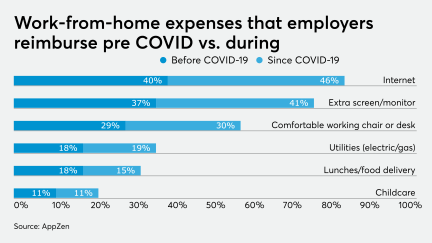
Employers are also studying how to account for the costs of remote work, such as adding more benefits for emergency child care or reimbursements for using home technology.

Seventy percent of global professionals rank fitness benefits as the most valuable benefit outside of healthcare.


From the “Start, stop, continue” method to declining weekly meetings, these tips help employees be more productive and find their purpose at work.


Employees working remotely during the coronavirus pandemic claimed some outlandish expenses this year, including pricey exercise bikes, facelifts and private jets.


Strategists from Deutsche Bank propose a 5% levy for those who work from home on a regular basis and not because of a government lockdown mandates. Such a measure could raise $48 billion a year in the U.S.

Since March, working parents have filed at least 40 lawsuits accusing employers of illegally denying parental leave or subjecting them to other forms of discrimination.

The percentage of workers asking for compensation for work-from-home expenses with their employers hasn’t gone up significantly since the outbreak of COVID-19.
The company’s employer clients can now offer a suite of wellness classes to their employees as a way to further invest in their overall well-being.

The housing market, a bright spot in the U.S. economy, has surged as more Americans seek homes in smaller and cheaper locations.

In today’s remote world, employers need technology to create inspiring work cultures. Here’s how tech firm WorkProud helps companies rev up their employee culture.

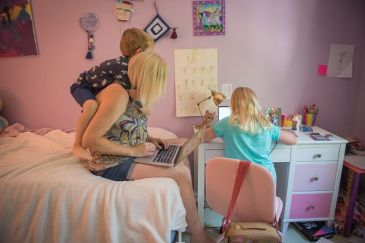
Many parents trying to work from home may be interacting less with their children, not more.
It’s time for a cybersecurity check up: focus on training, transparency and technology.


Workplace harassment has moved from the office into the virtual world, leaving employees vulnerable to new harassment avenues.

Creating a poor facsimile of the office — perhaps by lining up a day of back-to-back Zoom calls — isn’t the way to get through this isolated time. That will only remind us of all that we’re missing.

The hotel will begin allowing guests to check in at 6 a.m. and stay as late as 6 p.m. the next day, a promotion aimed at remote workers looking for a change of scenery from their homes.

By incorporating flexibility into a work culture and focusing on your community, companies will be stronger and better at the outset of COVID-19.


To help address this, the company plans to facilitate in-person collaboration with existing real-estate or other flexible spaces it’s calling “Dropbox Studios.”
A possible cause for the extra hours? Almost 1 in 2 employees are worried staying remote could negatively affect their career, according to a new report from Owl Labs.