Inflation Reduction Act is causing 'dramatic' rise in Medicare premiums, experts say

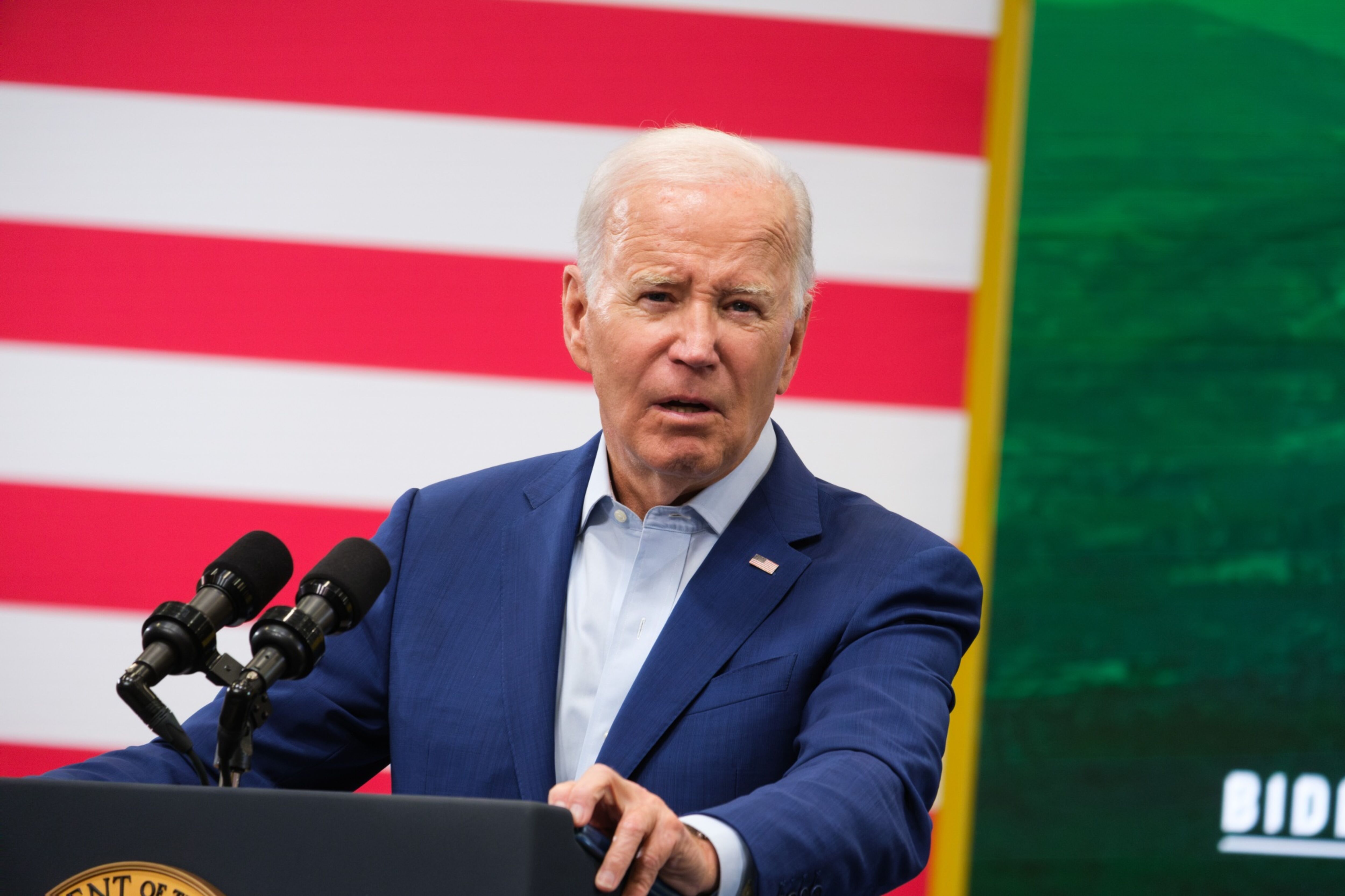
President Joe Biden speaks about the Inflation Reduction Act in August 2023. The law was designed to reduce Medicare costs, but researchers say it's causing a jump in Part D premiums.
Bloomberg/Ramsay De Give

The Inflation Reduction Act was supposed to make Medicare cheaper. But in at least one way, it appears to be doing the opposite.

Processing Content

As 2023 comes to an end, seniors across the country are finding out what their premiums will be for Medicare Part D, the part that covers prescription drugs, in 2024. And many have learned their bills will be much higher next year.


"Significantly more expensive premiums will come as a shock to the millions of retirees enrolled in Medicare Part D plans who … may have been anticipating lower costs with the introduction of the Inflation Reduction Act," said Ron Mastrogiovanni, president of HealthView Services, a company that projects health care costs for wealth managers.

Medicare is a complex mix of public and private programs, and financial advisers have a crucial role to play in guiding clients through the maze. Part D, for example, is a drug benefit provided by insurance companies but paid for by the government — and by premiums from individual enrollees.

Next year, those premiums will see a "dramatic" rise, according to a new research report by HealthView Services. In California, Florida, New York, Pennsylvania and Texas, seniors enrolled in Part D plans from three of the largest Medicare providers will see their premiums jump, on average, by 42% to 57%. And according to Mastrogiovanni, further research is showing that those increases are "pretty consistent" across the rest of the country.

Read more: Medicaid and Medicare call center workers strike for better pay and healthcare from Maximus

One of the seniors suffering from this sticker shock is Mary Johnson, a Medicare policy analyst at the Senior Citizens League and a Medicare beneficiary herself. Earlier this month, Johnson's Part D provider sent her a letter explaining how her plan will change next year. One of the changes: Her premium will jump from $12.70 per month to $18.80 — a 48% increase.

"When I saw that, I immediately thought, 'Hey, wait a minute,'" Johnson recalled. "'I thought there was a cap on how much those premiums could increase.'"

In fact, there is such a cap. In 2022, Congress passed the Inflation Reduction Act, the Biden administration's expansive legislation tackling both climate change and rising health care costs. Under that law, Part D "base premiums" are not supposed to rise more than 6% per year. But according to Johnson, those "base premiums" pertain to the government's negotiations over drug plans, not the bills paid by individual seniors.

"That cap on the 6% has to do with the government bidding process," Johnson said. "What the consumer actually sees can be very different."

But it's not just that the Inflation Reduction Act failed to stop the jump in Part D premiums. It may actually be causing it. 

In particular, the law sets a $2,000 cap on how much Medicare recipients spend out of pocket on drugs per year. For seniors with the biggest medical bills — for example, those dependent on expensive cancer drugs — this measure is "revolutionary," Johnson has said. But the money to cover the rest of those bills must come from somewhere, and insurers appear to be getting it from the seniors themselves.

"There is no place for the expense to go except to the premium," Johnson said.

In addition, the Inflation Reduction Act shifts much of the burden for covering those bills onto the insurance companies. According to HealthView's study, insurers were previously responsible for about 20% of the expenses that went beyond the cap. Under the new law, they're on the hook for 60% to 80%.

Mastrogiovanni believes those insurers are now passing that bill to Medicare enrollees.

"Private companies are not going to absorb that cost," he said. "They're going to send that to us."

Read more: Food as medicine: This company delivers produce for Medicaid and Medicare members

Both Mastrogiovanni and Johnson emphasized that many other measures of the Inflation Reduction Act have not yet taken effect. When they do, it's possible that they'll make up for the rise in Part D premiums and achieve a net gain in health care savings for seniors. But so far, in at least this one area, the law appears to be defeating its own purpose.

"Although the goal of The Inflation Reduction Act — which does not address premiums — is to reduce costs for retirees, it would appear to be driving Part D premiums higher than historical averages in 2024 and potentially in 2025," HealthView wrote in its report.

At the time of this article's publication, the White House had not yet responded to Financial Planning's request for comment.

What can seniors do to adapt to these rising expenses? One answer, as a first step, is to talk to their financial advisers. If Part D premiums continue to rise, retirees will need to adjust their finances to make room for them.

"Advisers should invite clients to the office to review the health care piece of the plan," Mastrogiovanni said. 

Johnson echoed this advice, adding that many resources are available to educate advisors about Medicare so they can better guide their clients. Online training is available from the State Health Insurance Assistance Program, the Medicare Rights Center and the National Council on Aging.

But there's also work for the government to do. If rising Part D premiums become a long-term problem, Johnson said, then it's up to the Biden administration and Congress to fix the Inflation Reduction Act or pass new legislation.

"There's a lot more work that needs to be done," Johnson said. "Let's not just shift the prices around. Let's actually set up something that is going to protect people from rising costs."


This article originally appeared in Financial Planning.
For reprint and licensing requests for this article, click here.
Retirement Politics and policy Medicare Inflation
MORE FROM EMPLOYEE BENEFIT NEWS

Broader digital efforts could boost access to necessary care, address rising costs and improve health outcomes for employees.

1h ago
3 Min Read

Employees look for alternative healthcare coverage in the wake of rising premiums, sparking concern over care gaps and group plan disruption.

5h ago
5 Min Read
Man's hand holding credit card near machine, paying for doctor visit

A new Modern Health survey finds most workers fear AI-related layoffs, rising stress, and increased reliance on substances to cope with workplace pressure. 

5h ago
3 Min Read
Stressed businesswoman with head in hands at office desk.

The objective is to have a clear view of baseline vs. current Rx trend, documented savings tied to interventions and a reconciliation check on guarantees and rebates. 

5h ago
4 Min Read
Pharmacy, healthcare and woman with box to check medical info, shelf inventory or price. Prescription medicine, stock and pharmacist reading product label for health benefits of pharmaceutical drugs.

Benefits, policies and leadership support create trusted environments that help women and businesses succeed.

8h ago
5 Min Read
Group of women sitting at table in office working, talking

Employees are struggling to figure out how income, savings, employee benefits and government programs like Medicaid fit together.

April 28
3 Min Read