Benefits Think Want to fight employee burnout? Focus on well-being
Spoiler alert: The root causes of employee burnout, as well as the best solutions, start at the organizational level.
Follow Us
© 2026 Arizent. All rights reserved.


Spoiler alert: The root causes of employee burnout, as well as the best solutions, start at the organizational level.
Spoiler alert: The root causes of employee burnout, as well as the best solutions, start at the organizational level.

If a workplace wellness program isn’t aligning with employer strategy and culture, don’t plan on it being successful.

If your workplace wellness program isn’t aligning with employer strategy and culture, don’t plan on it being successful.

Limeade’s Henry Albrecht offers some tips on keep client programs running without a hitch.

Employers should expect more M&A activity, says Limeade’s Henry Albrecht, and can prepare by having a solid understanding of their own program needs.
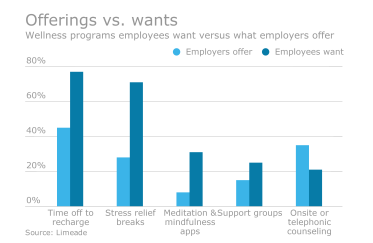
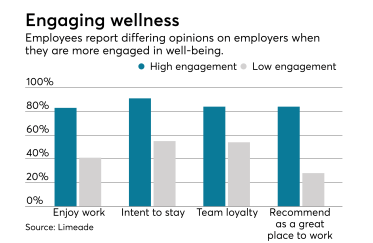
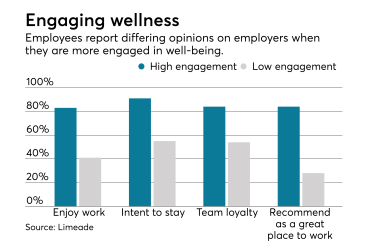
To achieve the key benefits of well-being initiatives employers must have a process that fully engages the organization.
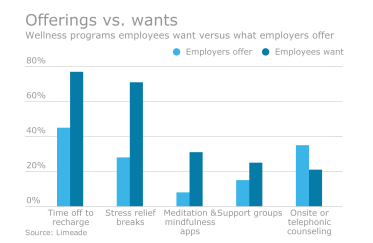
To achieve the benefits of well-being initiatives, including health improvement, talent acquisition, employee performance and retention, company culture must fully support them.

Workplace culture ebbs and flows depending on people, the economy, business success and employee churn, but intentional culture requires discipline, says Limeade’s Henry Albrecht.
It is possible to break down the wall between engagement and wellness with a technology platform that addresses the whole employee. Just make sure to ask these nine questions before you select a partner.
Waiting to see what happens with your workplace culture is a recipe for disaster.
While you cant improve the health of your workforce without baseline measures and programs, a myopic health-risk-only strategy is a recipe for employee rejection, cultural conflict and poor results.
Its undeniable cloud-based technologies have fundamentally changed how businesses operate. As employers transition from on- to off-premise for HRIS, they are seeing increased productivity and profitability in the obvious ways: lower up-front costs, faster innovation, easier integration, and no nasty upgrade hassles. Its quite possible, however, that a less-obvious HR cloud revolution may prove to be even more meaningful one that is more about people and culture.