

Retirement benefits, hybrid work lose ground as employers cut costs
New SHRM research finds fewer employers offering generous 401(k) matches and flexible work, even as experts warn benefit cuts can hurt hiring and retention.
Follow Us
© 2026 Arizent. All rights reserved.

New SHRM research finds fewer employers offering generous 401(k) matches and flexible work, even as experts warn benefit cuts can hurt hiring and retention.

A new survey finds this male demographic is taking mental health leave at higher rates than other generations, as employers grapple with rising loneliness and shifting workplace norms.

A new survey finds 77% of caregivers feel financially overwhelmed as they juggle jobs and care duties, exposing gaps in workplace support systems.

A new report offers recommendations for improving meetings that can often feature unclear action items and follow-up work that create productivity losses at a steep cost.

Even as employers spend more on health plans, employees report confusion over coverage details, fueling calls for better communication and tools.

The benefits customer support supervisor at the University of Pittsburgh believes that how you deliver information is just as important as the information itself.

The SVP and head of human resources for Hanmi Bank focuses on benefits that make a difference for the greatest number of employees.

The St. Tammany Health System benefits manager improved nearly every vendor relationship over four years.

Privacy, accuracy and transparency concerns are slowing adoption, even as organizations see artificial intelligence as a way to simplify benefits decisions and improve support.

From benefits education gaps to tech skill shortages, Gen Z is forcing employers to rethink how they hire, train and support the next generation of workers.

Benefit reductions meant to cut costs and even free up funds for AI may be undermining retention, as workers scale back savings and question their employers' priorities.

A Utah business leader turned personal burnout lessons into policy, requiring executives to take Fridays off to achieve stronger focus and reduced fatigue.

A growing share of employers are rethinking coverage of the weight-loss drugs as costs rise and early expectations of lower obesity rates and surgical needs have yet to surface in claims data.
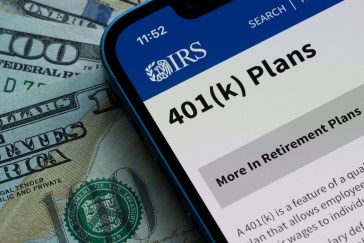
Younger employees are least likely to enroll in retirement plans, but automatic enrollment and defaults dramatically improve participation across the board.

New research shows companies are ramping up spending on workplace meals, with employees citing food perks as a key factor in staying and showing up.

Remote streamlined performance reviews by using continuous feedback and AI drafts, reshaping how managers evaluate talent systems.

New data shows workers increasingly relying on emergency savings accounts to cover transportation and fuel expenses as commuting costs stay elevated.

Parents are seeking employer support and reliable, affordable care options to avoid work disruption and fatigue.

Americans' financial literacy has slipped to a 10-year low, with new TIAA Institute data showing weaker scores, wider gaps, and rising reliance on AI tools for money decisions.

As new pay disclosure laws spread, many employers still lack the training, systems and data needed to handle compensation conversations.