Retirement benefits, hybrid work lose ground as employers cut costs

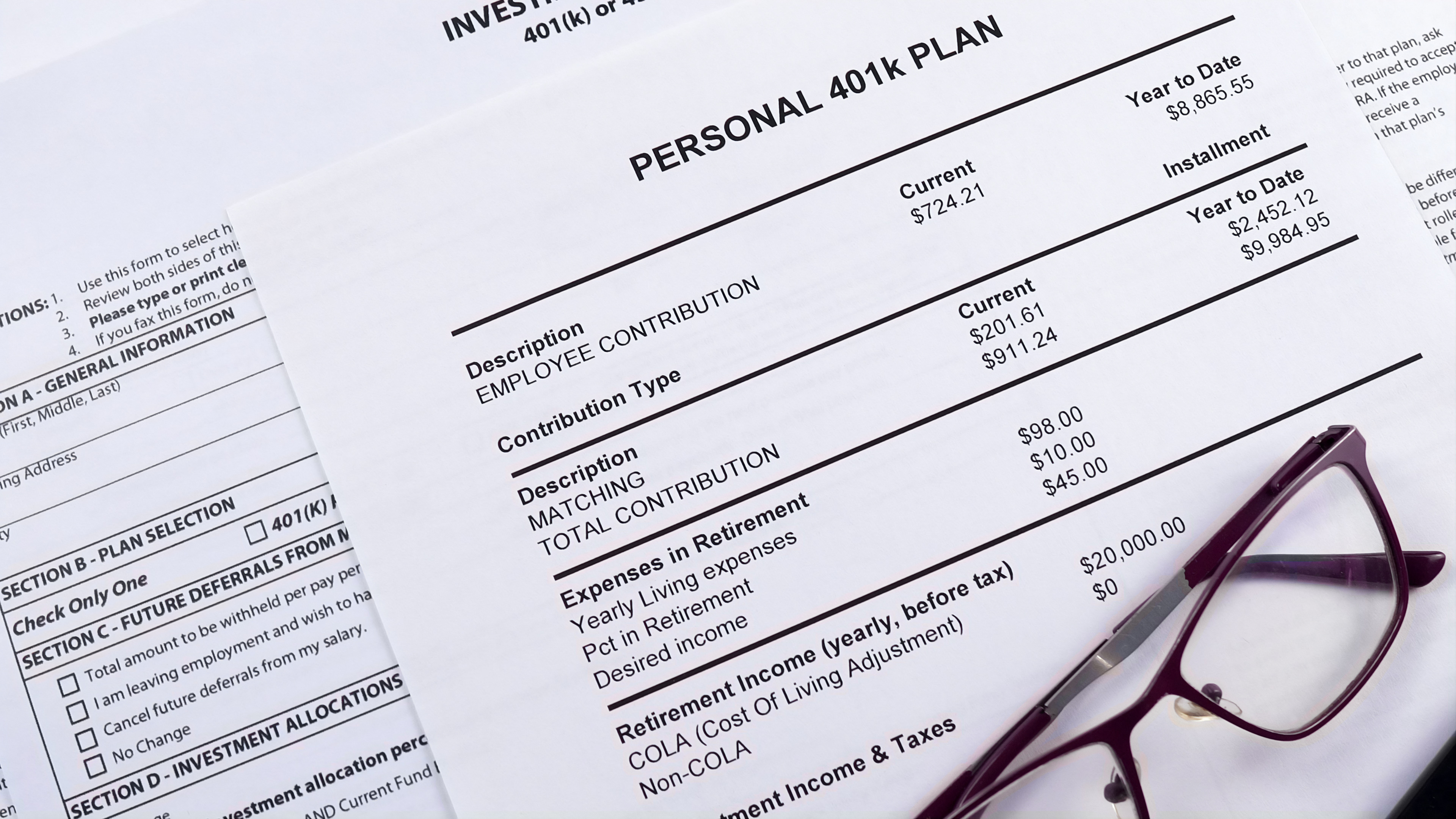
Pension savings. Glasses and pen are on the background Blank form Investment contract 401(k) or 457 plan, blank form Utah retirement system 401 k and Personal 401k plan.
Adobe Stock

Companies are scaling back retirement benefits and flexible work options as economic uncertainty persists and employers reassess workplace strategies in the age of AI. 

Processing Content

The share of employers offering a match on traditional 401(k) plans fell to 81% in 2026, down from 85% last year, according to SHRM's 2026 Employee Benefits Survey, which was released earlier this month. 

The average maximum match eased to 6.1%, compared with 6.3% a year earlier, while Roth 401(k) matches also edged down to 5.9% from 6.1%. Support for retirement planning education also slipped, dropping to 46%, down 3 percentage points from the prior year, according to the survey.

Read more: New workers are missing out on 401(k) savings, and employers can help

Beyond retirement benefits, workplace flexibility also softened. Flextime during core business hours declined by 6 percentage points, while hybrid work fell by 3 points. 

While these cuts can help businesses save money in the short term, it can also create uncertainty for employees, said Ted Kezios, senior vice president of people care at Cisco, a networking and cybersecurity firm. 

Read more: Benefit cuts may save employers money, but cost them talent

"Reducing benefits such as parental leave or caregiver support programs, for instance, can make it more difficult for employees to balance major life changes with their professional responsibilities during already challenging periods," Kezios said. "Over the longer term, benefits can influence organizational culture, the ability to attract talent, and by extension, the employer's brand."

Kezios recently spoke to Employee Benefit News about the importance of staying the course and investing in employee benefits. This interview has been edited for length and clarity. 

Many companies are facing economic pressures right now. Why is it still important for them to invest in and maintain benefits?
Today the most effective way to build resilience in an era of constant transformation is to invest strategically in the human experience. At Cisco, our annual candidate surveys consistently show that benefits and employee perks rank among the top reasons candidates are attracted to the company. That's why, even in periods of economic uncertainty, we continue to champion their well-being with a comprehensive benefits package. Benefits are at the foundation of a resilient employee culture, better talent retention, and innovative workforces — advantages that all organizations can gain from.

The impact of AI is another factor. While AI continues to grow and automate tasks, it cannot replicate the empathy, creativity and dedication of human teams. By prioritizing human-centric benefits, companies aren't just adapting to the AI era, but ensuring workforces are empowered, supported and ready to lead the future.

It sounds like Cisco is bucking this trend. Can you tell me a little bit more about what the company is doing to invest in benefits?
Cisco continues to invest in benefits because we see them as a core part of how we support our employees and invest strategically in the people experience. This includes 16 weeks of parental leave in the U.S. (up from 12 weeks since 2024), 10 company-paid (volunteer) days, generous fertility benefits, robust well-being programs, and other resources that help employees navigate major life events.

We're also investing in employees' long-term growth through learning and development opportunities, particularly in areas like AI. Programs such as Time2Grow, which blocks four hours each month for learning, and resources like Cisco Networking Academy help employees continue building skills as the workplace evolves. We believe that supporting employees both personally and professionally enables them to do their best work, and it remains a core focus of how we continue to evolve our employee experience.

Is this a temporary pullback in benefits or a longer-term shift?
While economic conditions influence how organizations allocate resources in the near term, we believe employee expectations around well-being, flexibility and career development will continue to play a central role in how people evaluate employers. At the end of the day, strong benefits build stronger organizations that can weather the ever-evolving AI era, especially in supporting employees to thrive.

How much do benefits still matter to candidates in a tighter labor market?
Even in a tight labor market, benefits continue to play a significant role in how candidates evaluate employers and make career decisions. Our talent brand research consistently shows that benefits and employee perks remain the top factor attracting candidates to the company. This holds true year over year, reflecting how important benefits remain in shaping the overall employee experience.

What we continue to hear from candidates is that strong benefits support holistic wellbeing, long-term security and opportunities for growth. Whether it's support for major life moments like parental leave and caregiving or access to learning and development opportunities in areas like AI, these offerings remain a key part of how candidates assess employers today.


For reprint and licensing requests for this article, click here.
Employee benefits Retirement Compensation Workplace culture
MORE FROM EMPLOYEE BENEFIT NEWS
Load More