- Key insight: Discover how CVS Health aligns its learning investments with specific future business capabilities.
- Expert quote: "Many of today's biggest health industry workforce challenges ... can't be solved through hiring alone." — Shannon Dillon, corporate communications senior manager, CVS Health
- Supporting data: 70,000 employees transitioned into different company positions over the past 12 months.
Source: Bullets generated by AI with editorial review.
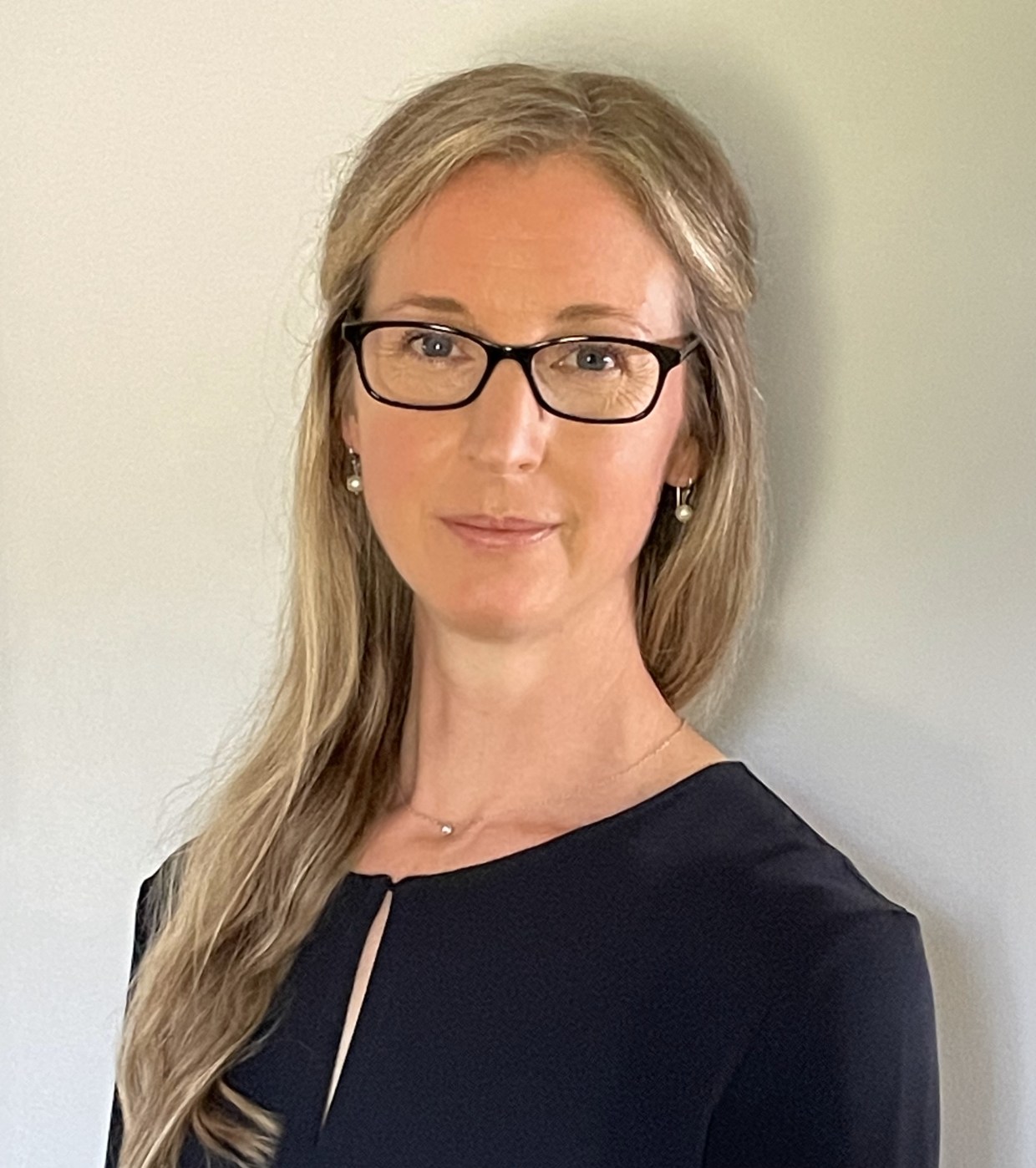
This is the strategy at CVS Health, where keeping up with an accelerating healthcare industry is table stakes, said Shannon Dillon, the company's corporate communications senior manager.
"From new technologies such as AI to evolving customer, patient and member expectations, this requires a workforce that can adapt quickly, build new skills, and lead through transformation," she said. "We're making development a more intentional part of how we attract, grow and retain talent — aligning learning investments to the capabilities CVS Health needs … now and in the future."
Dillon shared further insight into some of the specific roles being prioritized, how this strategy
What are some of the areas the company is focusing on through internal education and upward movement?
Pharmacists and pharmacy technicians: We are investing in the next generation [of pharmacists and pharmacy technicians] through rotational programs, fellowships, residencies, and continuing education opportunities, such as our new online pre-pharmacy degree with WGU, powered by EdAssist by Bright Horizons.
CVS Pharmacy and Duquesne University have launched the Tuition Advantage Program to help make pharmacy education more affordable. Eligible CVS Pharmacy colleagues can earn an online doctor of pharmacy (Pharm.D.) degree through Duquesne at a 50% tuition discount. Combined with CVS Health's … PharmD tuition assistance benefit of up to $20,000 and enterprise tuition assistance, the program can significantly reduce the cost of earning a pharmacy degree.
Nursing: The Nurse Leadership Development Program (NLDP) is an enterprise leadership development program sponsored by the office of the chief nursing officer. Through curriculum-based learning, mentorship, professional networking, peer collaboration, and a capstone project, participants strengthen leadership capabilities, expand their enterprise perspective, and develop skills to lead meaningful change across CVS Health.
Read more:
Customer service and operations: Through NextStep at Aetna, we are creating accessible pathways into customer service and operations roles, including a new training facility, partnerships with academic institutions, and approximately 76,000 hours of training over three years.
AI: Our AI Learning Academy … is focused on helping colleagues build AI literacy and confidence, with training tailored to business needs and responsible, meaningful use.
Community-rooted pathways to healthcare and retail careers: By joining forces with local workforce organizations and nonprofits that address social care gaps — such as food insecurity and housing — we connect individuals to job training, career coaching, and support services through our workforce initiatives. These programs empower people to pursue roles in high-demand positions like pharmacy technicians and retail supervisors, paving the way for healthier futures for themselves and their families.
Internship and leadership development programs: [These range] across corporate, retail and clinical roles and help early-career colleagues build skills and gain experience to help prepare for future opportunities. Our one-year retention rate for corporate interns that joined CVS Health full time upon graduation is 96% — well above the industry benchmark (70%) — while our Leadership Development Program five-year post program retention averages 80% (vs. [approximately] 60% industry benchmark).
Read more:
When employers offer these types of benefits, how should they explain their intentions with them to employees? How does that strengthen confidence and retention?
Transparency is key — be clear about what potential opportunities exist and where they might lead. When colleagues understand how a program may help prepare them for future roles or advancement, it feels more tangible. It also signals that the company is investing in their future.
Why is this approach to filling vital company roles good for both employers and employees?
With more than 70,000 colleagues moving into new roles over the past 12 months, we are helping colleagues explore career paths, apply new skills, and build experiences that strengthen retention, engagement and future readiness.
Many of today's biggest health industry workforce challenges — like adopting AI or filling specialized health care roles — can't be solved through hiring alone. Companies need to build those capabilities from within. That's where upskilling and reskilling play a critical role.