- Key Insight: Learn how data-driven talent segmentation is redefining career development across hourly and salaried workforces.
- Expert Quote: "Every employee can do more if given opportunities," says Amy Kickham, CHRO, Southern Glazer's.
- Forward Look: Prepare for enterprise learning platforms and personalized wellness programs becoming standard by 2027.
Source: Bullets generated by AI with editorial review
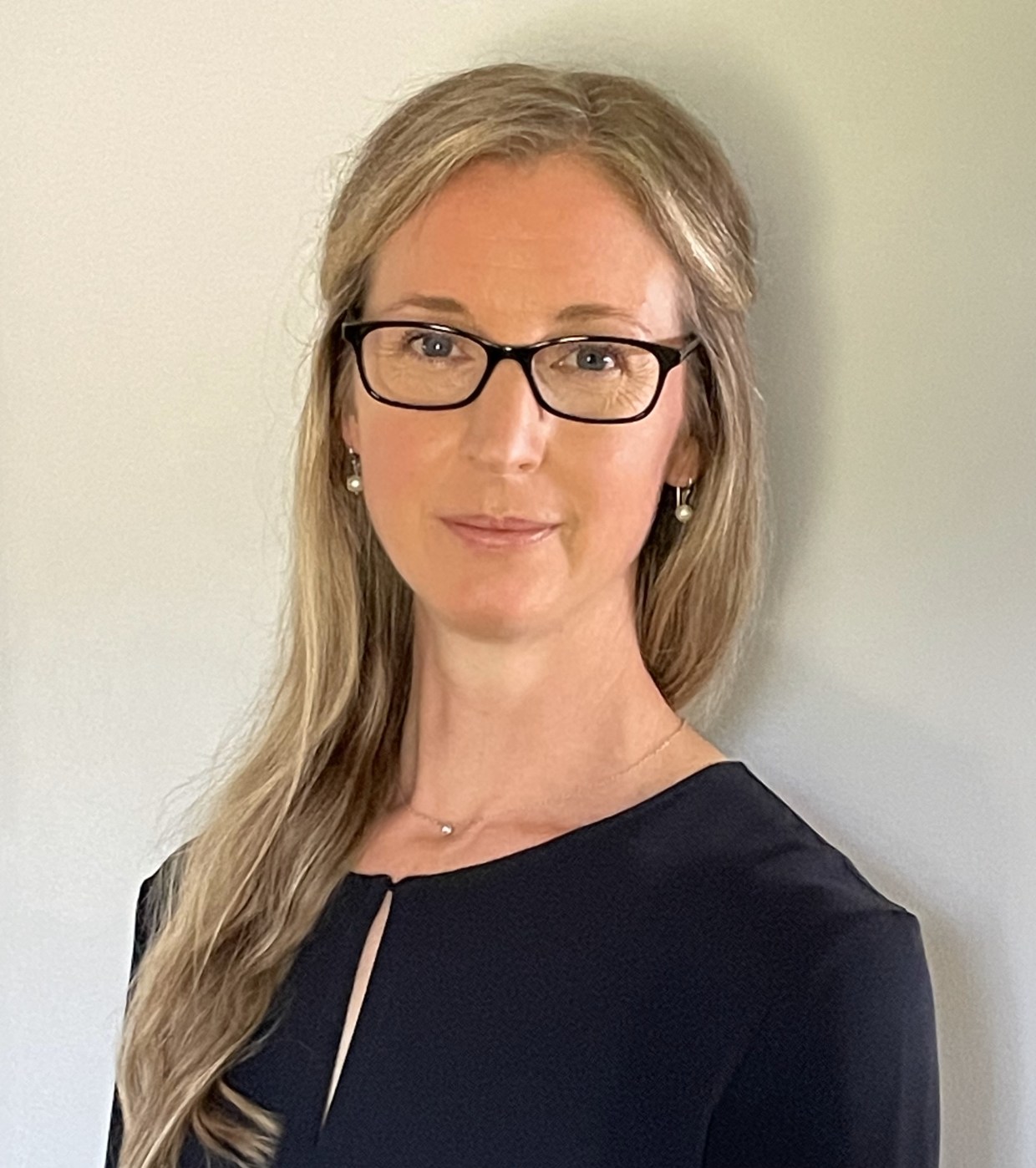
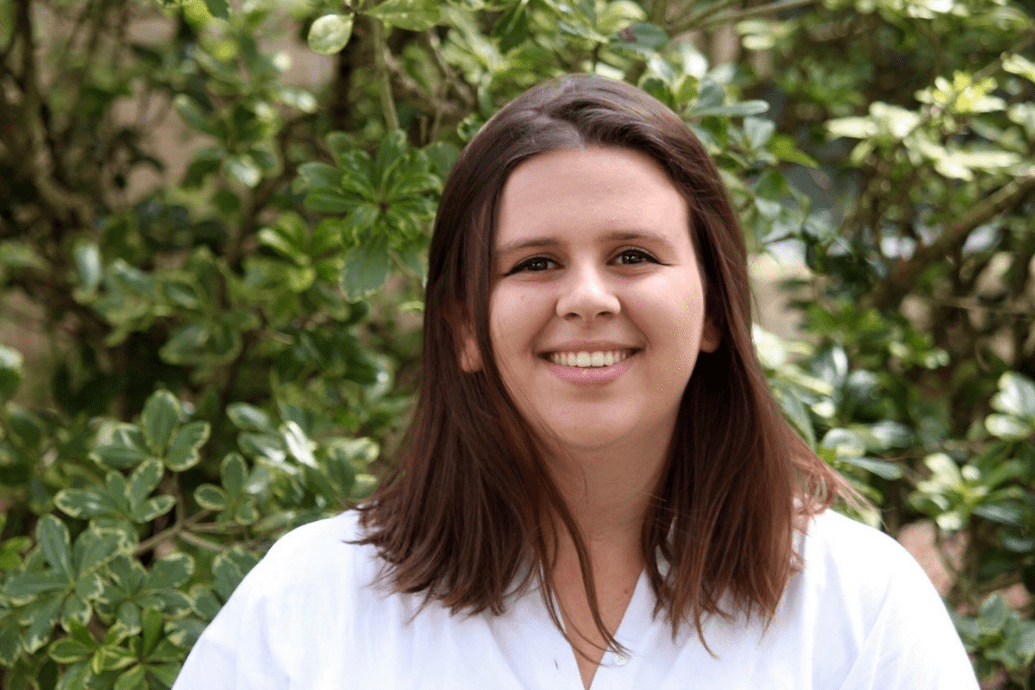
When Amy Kickham stepped into her role as chief human resources officer at wine and spirits distributor Southern Glazer's just over a year ago, she quickly set out to rethink the company's approach to employee benefits and engagement.
Human resources is becoming one of the most in-demand professions, according to the U.S. Bureau of Labor Statistics, with employment for HR and benefits leaders projected to grow 8% from 2023 to 2033 — faster than the average for all occupations. But as the role evolves, HR professionals must
"I asked myself: what's the future of HR? Where are we headed?" says Amy Kickham, chief human resources officer at Southern Glazers. "I'm a firm believer that every employee in our organization has the skills and abilities to do something more if we just give them the opportunity to."
Read more:
Southern Glazers employs approximately 24,000 people, and in her role, Kickham oversees the full spectrum of HR, from talent and organizational design to leadership development and benefits. It's no small task: 72% of HR leaders say workers have higher expectations of them and organizations than they have in the past, according to a recent survey from the Society for Human Resource Management.
"Employees are comfortable jumping from job to job, which means that it's up to us to teach them, train them and hold ourselves accountable to their growth," Kickham says. "As HR managers, we have to continue to learn how to support our population — we can't become stagnant."
Kickham shared how she has started to
What is one of the biggest changes HR and benefits leaders are experiencing?
Data doesn't lie. It could be talent acquisition or benefits or an HR business partner creating a dashboard to support their business — we have all the information we need right at our fingertips. The question then becomes: What are we doing about it? At Southern Glazer we've taken a lot of that data from surveys and feedback and transitioned it into our talent strategy. We've already heard from our employees, so now we're able to use that data to say here's the engaged population, here's the passive population and determine where the top talent is. Then we can use that information to determine how we tie that back to the development of our employees and our business.
How did your data shape your new workplace strategies?
Our data was telling us we were not working enough on career development. We wanted to take a step back and ask ourselves how we make sure that all of our employees have access to the training and development they could ever want or need. We launched Southern Glazers University, which is an online platform and tool to ensure that employees across every division, including our delivery drivers and our warehouse workers, gain access to more leadership development programs and classes. We still have a long way to go, but we hope to have this effort finalized in 2027.
What has your outlook on benefits been?
The highest concern for employers is the continuous increase of medical costs, so we've done a lot of different things to keep up with them. For example, we have a program called BYOB — Be You Only Better — an employee-driven platform designed to empower employees to improve their physical and mental health by tracking healthy habits and challenging themselves to new ones. The office currently has a walk challenge that's going on. Sometimes you can see people doing laps around the office to get their steps in while they've got a few minutes of downtime. The platform also includes information regarding physical, financial and mental wellness like webinars and educational material.
So when employees look at their own benefit packages, it's more than just the standard healthcare, dental plan, PTO and their 401(k) that everyone gets. They also include their individual BYOB programs, which has been really eye-opening for our employees and it's given us a bit of an edge.
What is your biggest piece of advice for HR and benefits leaders right now?
You need to challenge yourself. Don't be afraid to take a risk when it comes to creating a program or when it comes to understanding the bounds of your organization because that's the only way to understand how you can drive the better outcomes and results you want to accomplish. A lot of the time the effort is just worth it, but most of the time it leads to something amazing.